What does it really take to learn to walk again after an amputation?
In this episode of We’re Not Stumped, Mike Bolland welcomes physical therapist John Lottes, DPT, Clinical Supervisor at First Step Physical Therapy and an adjunct professor who specializes in prosthetic rehabilitation.
John shares how an unexpected career path led him to working with individuals with limb loss and explains why the biggest hurdle in recovery often isn’t physical—it’s confidence. Together, Mike and John discuss the importance of celebrating small victories, building trust with your rehabilitation team, and developing the mindset needed to regain independence.
They also explore:
- Why confidence is the foundation of successful rehabilitation
- The small wins that lead to life-changing progress
- Common frustrations people experience after amputation
- How physical therapists, prosthetists, physicians, and caregivers work together
- The patient story that shaped John’s career
- Why human connection will always matter, even as AI transforms healthcare
Whether you’re living with limb loss, supporting a loved one, or working in rehabilitation, this episode offers practical advice, encouragement, and a reminder that recovery is about far more than learning to use a prosthesis.
About Our Guest
John Lottes is a Doctor of Physical Therapy, Clinical Supervisor at First Step Physical Therapy (https://www.1ststeppt.com/), and an adjunct professor at Touro University (http://touro.edu) who teaches future physical therapists. He specializes in lower-limb prosthetic rehabilitation and has dedicated his career to helping people regain mobility, confidence, and independence after amputation.
Listen on Apple Podcasts
Watch on YouTube
Listen on Spotify
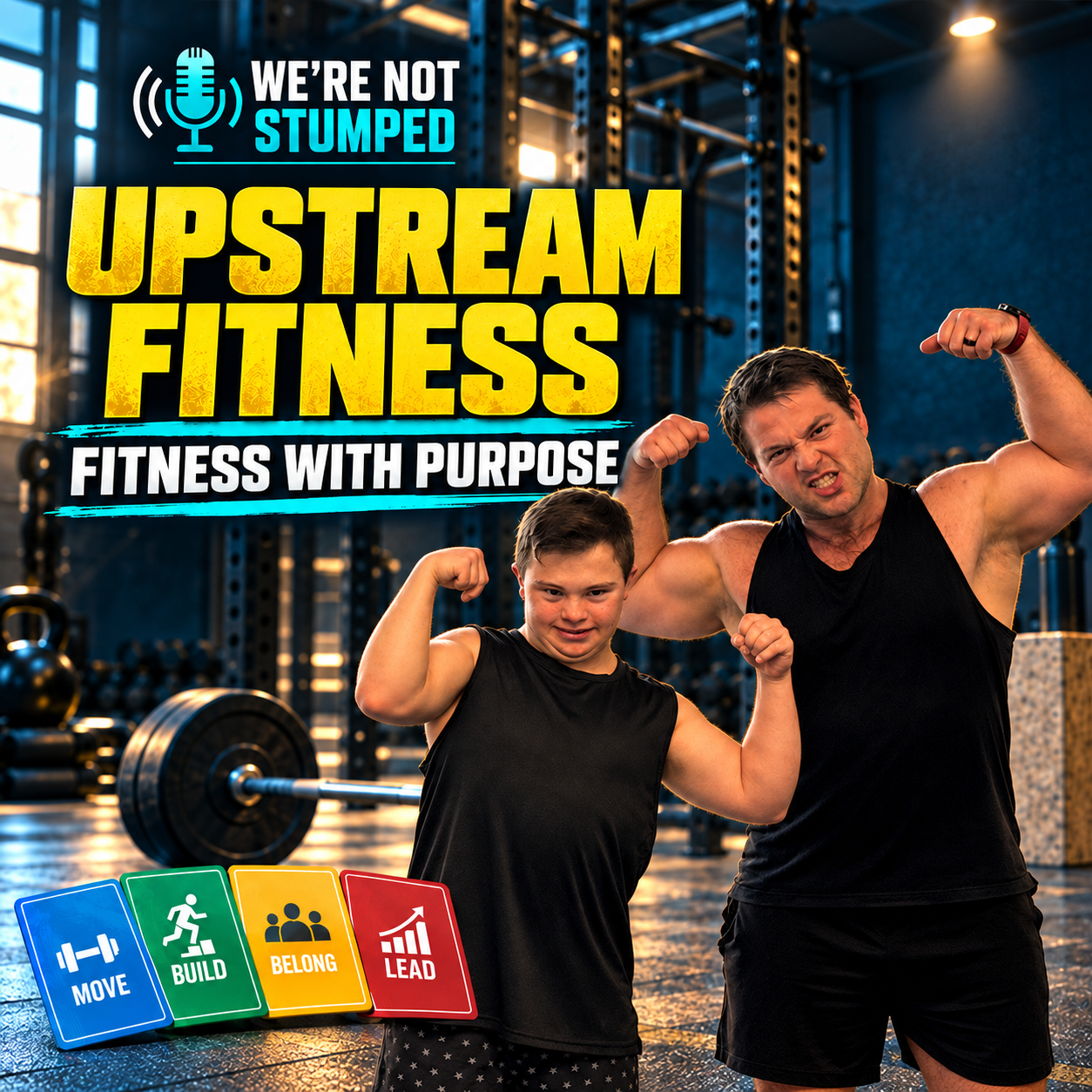
What happens when we stop deciding what someone is capable of—and give them the opportunity to lead? In this episode of We’re Not Stumped, Mike Bolland speaks with Nathan Kennedy of Upstream Fitness, Chris Kocurek, and Chris’s son, Coach Cameron “Coach Cam” Kocurek. Cameron, who has Down syndrome, began gymnastics as a child and went on to compete through Special Olympics and unified gymnastics. Today, he is using the confidence and skills he developed as an athlete to help coach others at Upstream Fitness. Nathan explains how Upstream Fitness uses movement, games, coaching cards, and step-by-step instruction to make exercise accessible for people with intellectual and developmental disabilities. Chris shares Cameron’s journey from athlete to assistant PE coach—and now toward meaningful employment and greater independence.
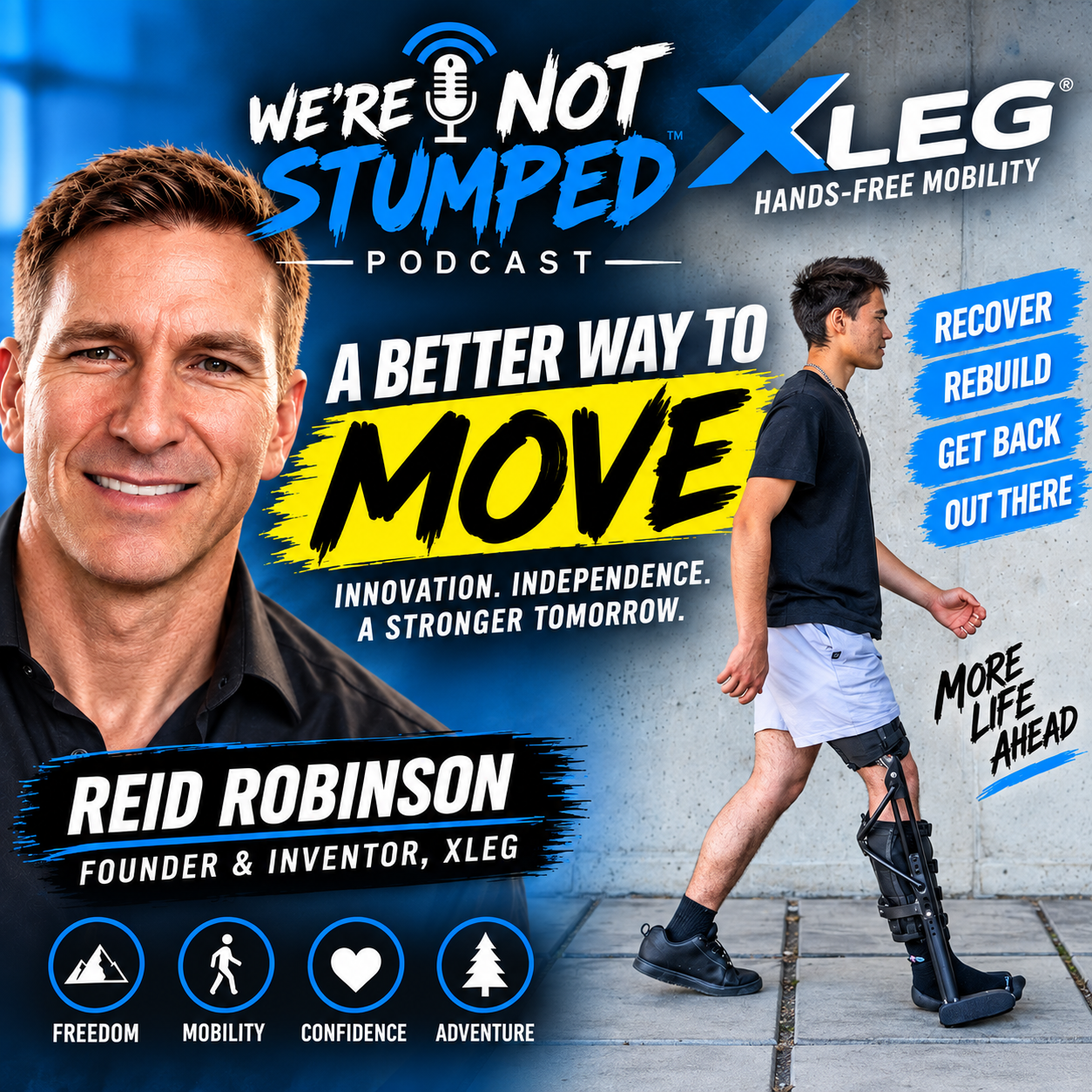
After losing control on an icy road in Calgary, Reid Robinson crashed into a tree and suffered devastating injuries to his lower leg. What followed were two and a half years of recovery, 13 surgeries, broken surgical hardware, bone infections, and a difficult decision between amputation and trying once more to save his leg. While recovering, Reid realized that none of the available mobility devices gave him the freedom he needed. So, despite having no welding experience, he taught himself by watching online videos and built his first leg brace from aluminum, crutches, and an IKEA cutting board. That garage-built prototype eventually became the X-Leg, a hands-free knee crutch designed to help people with lower-leg injuries stay active and independent during recovery.
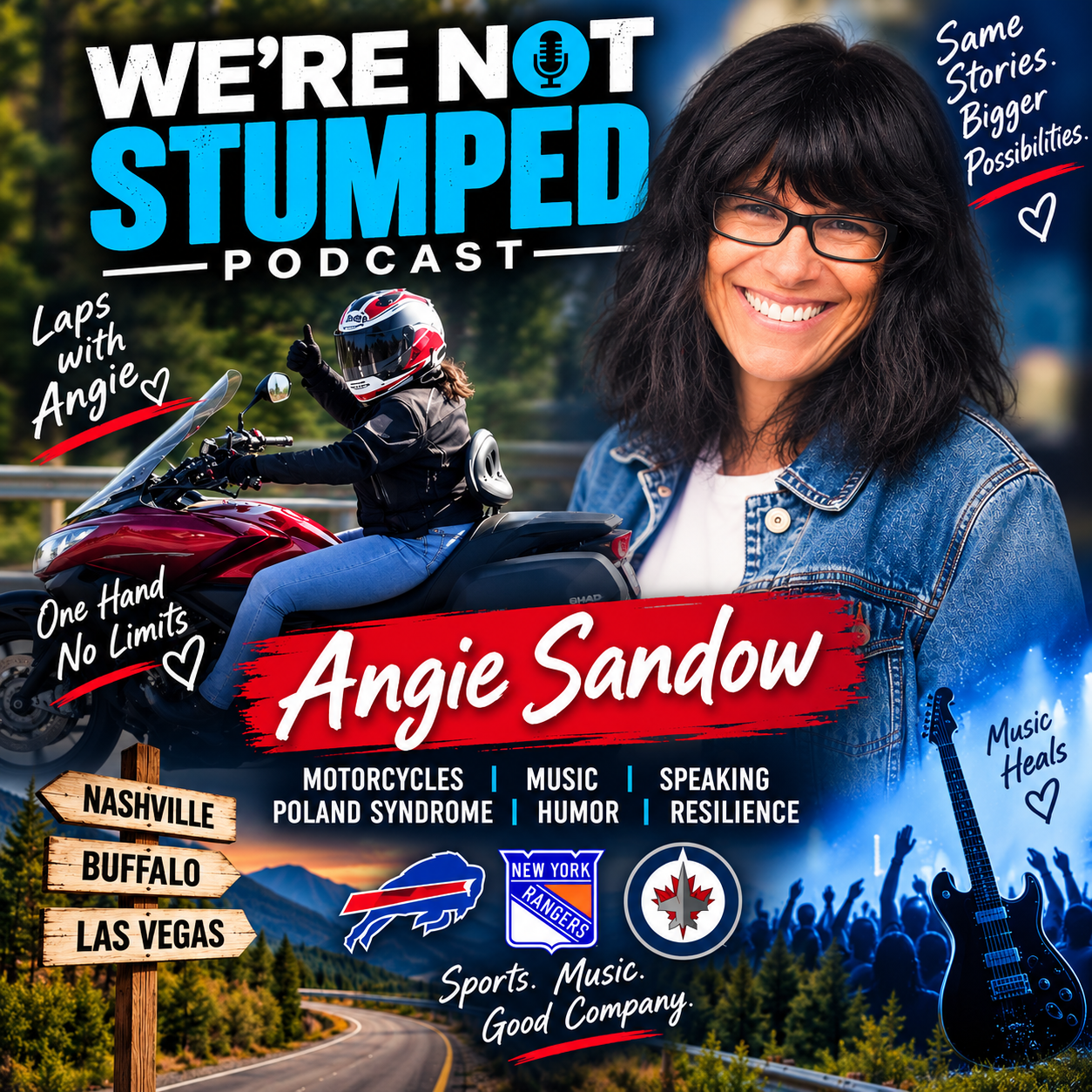
Angie Sandow was born with one hand and Poland syndrome—but that hasn't stopped her from riding motorcycles, playing guitar, performing onstage, and finding plenty of reasons to laugh along the way. In this episode of We’re Not Stumped, Mike Bolland reconnects with Angie for a candid and often funny conversation about growing up with a limb difference, dealing with bullying and unwanted attention, and learning to turn difficult experiences into something positive. Angie shares how music became an important part of her life, including performing with bands and using a custom prosthetic guitar holder. She also talks about becoming a one-handed motorcycle rider and the modifications that allow her to ride, including moving the throttle to the left side.