What does it mean to tell a story about limb loss… when you haven’t lived it yourself?
In this episode of We’re Not Stumped, host Mike Bolland—born without a right hand—sits down with author Jim Roberts to explore the decision to create a one-arm protagonist in his novel And Your Bird Can Sing.
This conversation goes beyond writing. It’s about representation, authenticity, and what it truly means to feel seen.
Jim shares how limb loss in his story became a powerful metaphor for grief, guilt, and forgiveness, set within a Southern Gothic coming-of-age journey through 1960s and 70s East Texas.
Together, Mike and Jim dive into:
• Writing characters with experiences different from your own
• The responsibility of representation in storytelling
• Using physical loss as emotional metaphor
• Balancing authenticity with creative freedom
• The challenges of publishing meaningful literary fiction
Jim also reflects on his late-in-life writing journey and why telling stories that matter is worth the uphill battle.
This is a thoughtful and honest discussion about voice, visibility, and the impact of storytelling—especially for communities that don’t always see themselves represented.
🔗 Learn more about Jim Roberts: https://jimrobertsfiction.com/
Listen on Apple Podcasts
Watch on YouTube
Listen on Spotify
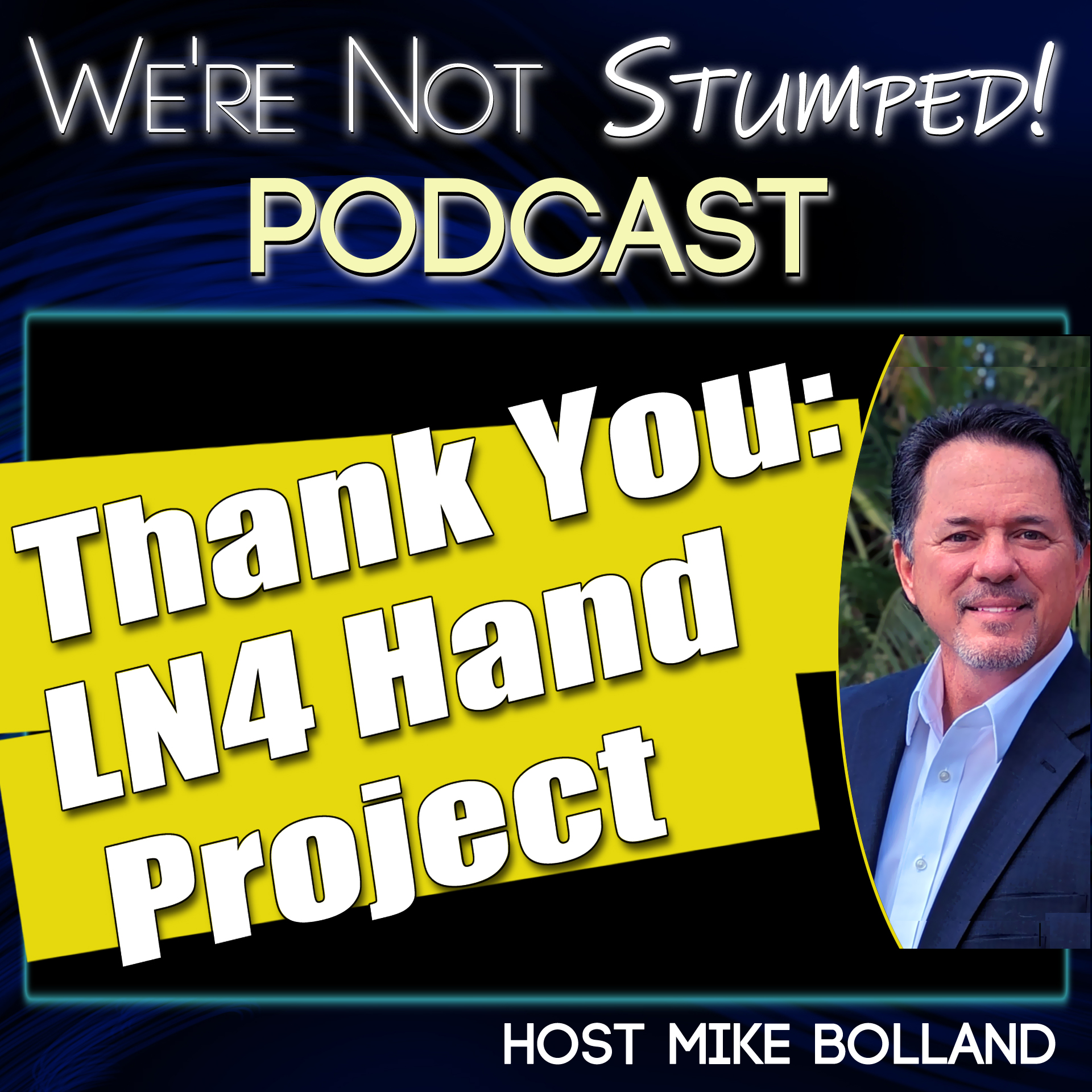
Sometimes, the biggest changes don't happen in a lab—they happen with a few carefully chosen words. In this episode of the We're Not Stumped podcast, I want to personally thank the LN-4 Hand Project (https://ln4handproject.org/) for updating its mission statement to better reflect the entire upper limb limb loss community. For many years, organizations have understandably focused on a specific group of individuals. But recognizing and including everyone living with upper limb loss and limb difference sends a powerful message: you belong, your story matters, and you are seen. As someone born without a right hand, this change means a great deal to me personally, and I believe it represents an important step toward greater inclusion across our community.
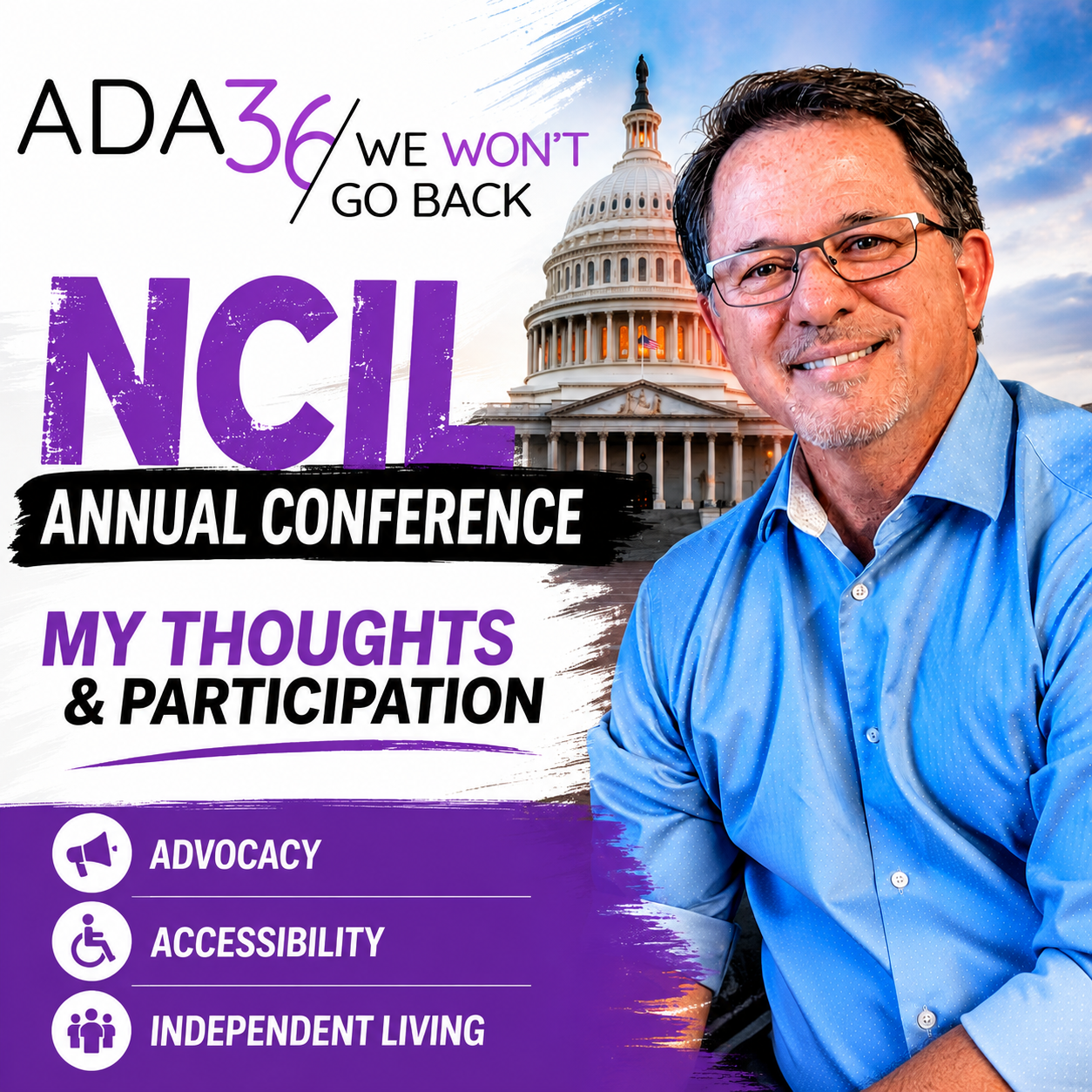
What happens when disability advocates from across the country come together to shape the future of independent living and accessibility? In this solo episode of We're Not Stumped, I share my personal reflections after attending the National Council on Independent Living (NCIL) Annual Conference in Washington, D.C., where I represented Ability360 as a member of its Board of Directors. From celebrating ADA36: We Won't Go Back to hearing powerful stories from advocates, policymakers, and leaders in the disability community, the conference reinforced why protecting and advancing disability rights remains so important.
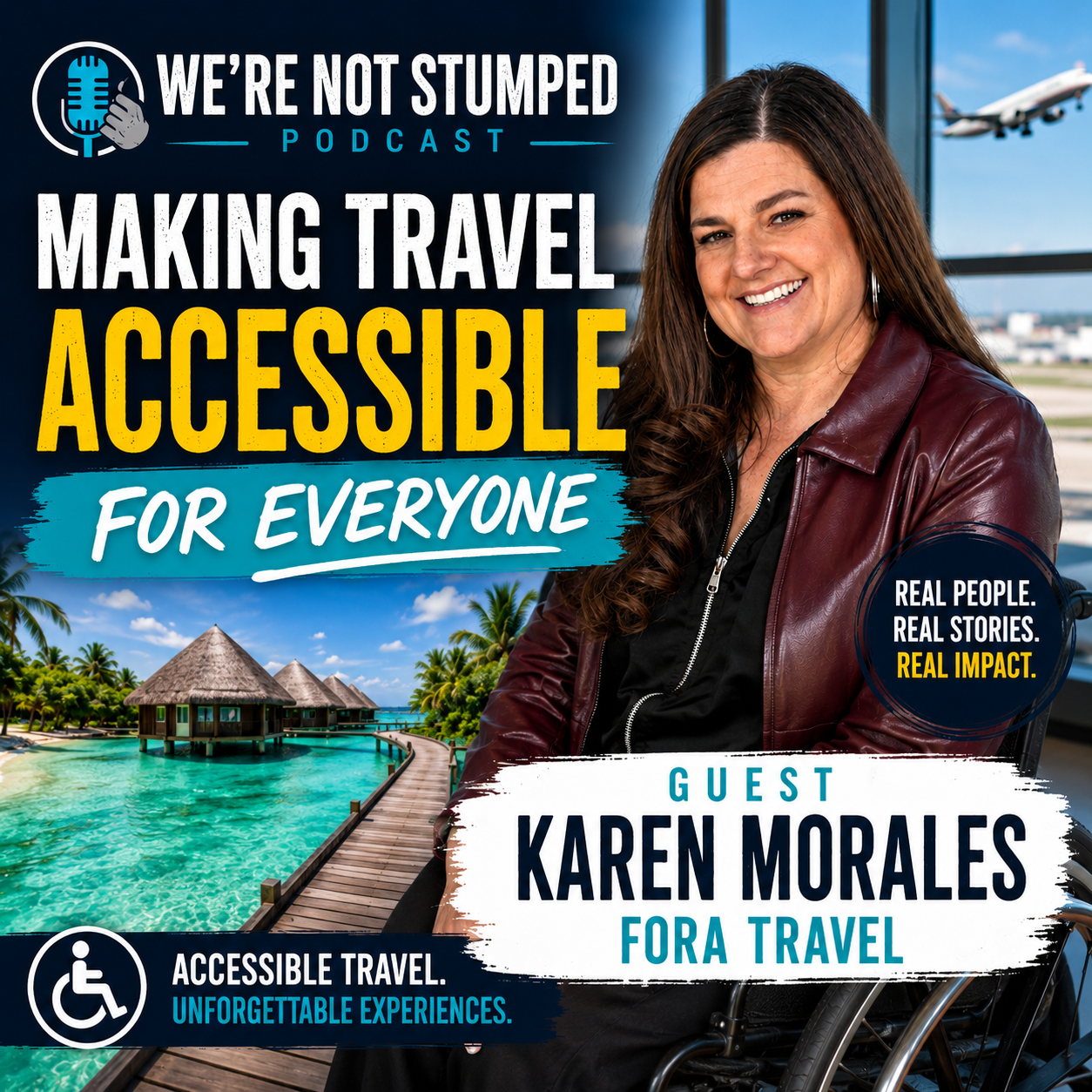
In this episode of We're Not Stumped, Mike Bolland sits down with Karen Morales, a wheelchair user and leader of Fora Travel's Accessibility Initiative, to discuss how the travel industry can become more inclusive for everyone. After becoming a wheelchair user in 2020, Karen quickly discovered that planning an accessible trip often meant endless phone calls, unanswered questions, and uncertainty about whether hotels, transportation, and attractions would truly meet her needs. Rather than accepting those challenges, she helped create an initiative that's training hundreds of travel advisors to better serve travelers with disabilities and other accessibility needs.