What does it truly mean to be seen as fully human in a world that often overlooks disability?
In this thought-provoking episode of We’re Not Stumped, host Mike Bolland welcomes back Dr. Stephanie W. Cawthon—an acclaimed deaf author, speaker, and researcher—for an honest and insightful conversation about identity, accessibility, and belonging. With ASL interpreters Amanda Ford and Steven Nugent joining, Dr. Cawthon shares the personal and cultural impact of her book Disability is Human, a work that has deeply influenced Mike’s own journey.
They discuss the challenges of growing up with hearing loss in a time when ASL access was limited, and how this shaped language development and education. The conversation dives into important issues like the “disability tax,” identity formation, and the hidden barriers many disabled individuals encounter, especially in entry-level jobs. They also unpack the effects of societal attitudes, exploring concepts like “helper syndrome” and “stalker syndrome,” which create subtle but real burdens for people with disabilities.
Dr. Cawthon highlights that while the ADA was a critical step toward inclusion, achieving true accessibility demands ongoing shifts in mindset, mentorship, and opportunity. This episode invites listeners to rethink disability—not as a problem to be fixed, but as a vital part of the human experience.
Disability is Human Book: https://www.amazon.com/Disability-Human-Vital-Accessibility-Everyday/dp/1954233299
Listen on Apple Podcasts
Watch on YouTube
Listen on Spotify
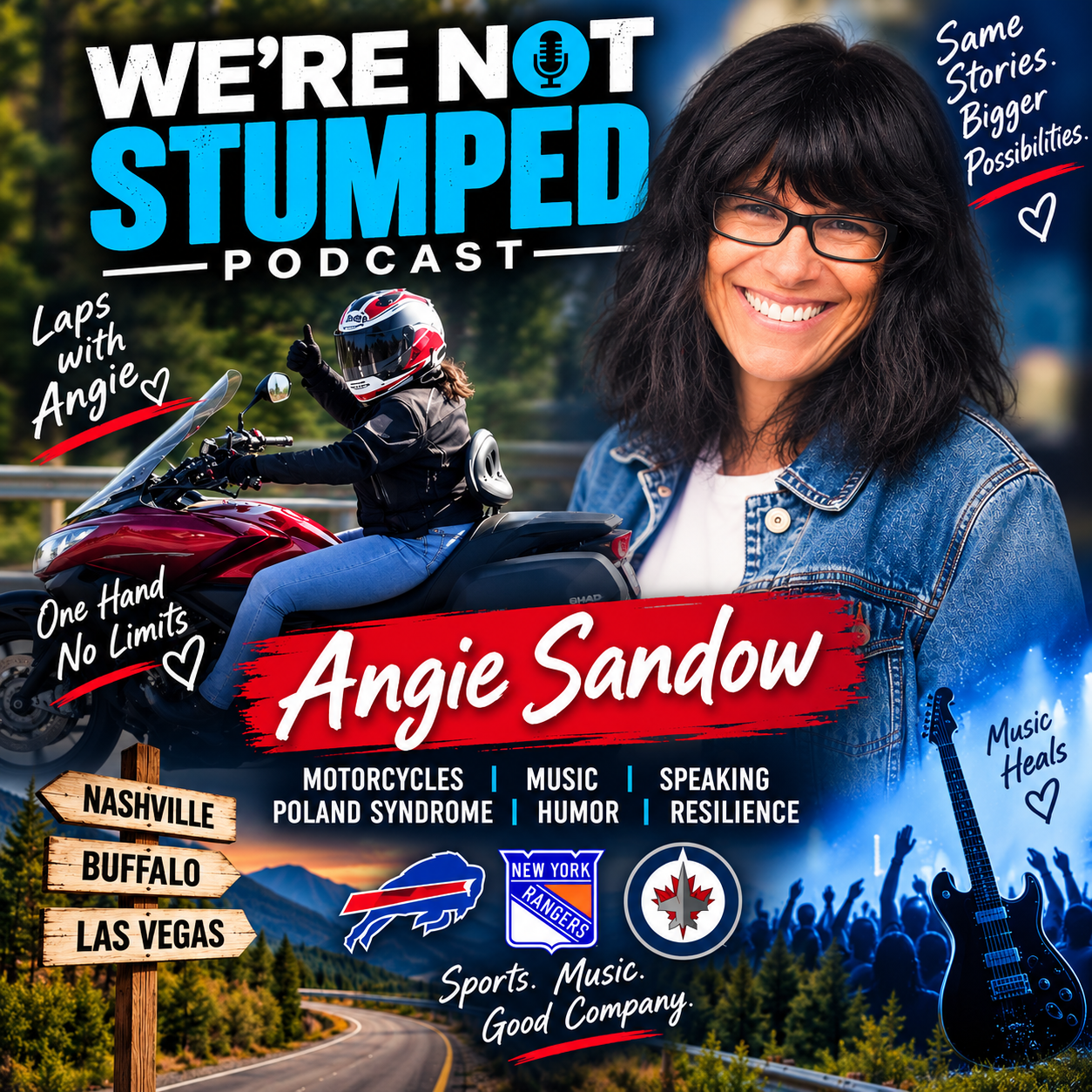
Angie Sandow was born with one hand and Poland syndrome—but that hasn't stopped her from riding motorcycles, playing guitar, performing onstage, and finding plenty of reasons to laugh along the way. In this episode of We’re Not Stumped, Mike Bolland reconnects with Angie for a candid and often funny conversation about growing up with a limb difference, dealing with bullying and unwanted attention, and learning to turn difficult experiences into something positive. Angie shares how music became an important part of her life, including performing with bands and using a custom prosthetic guitar holder. She also talks about becoming a one-handed motorcycle rider and the modifications that allow her to ride, including moving the throttle to the left side.
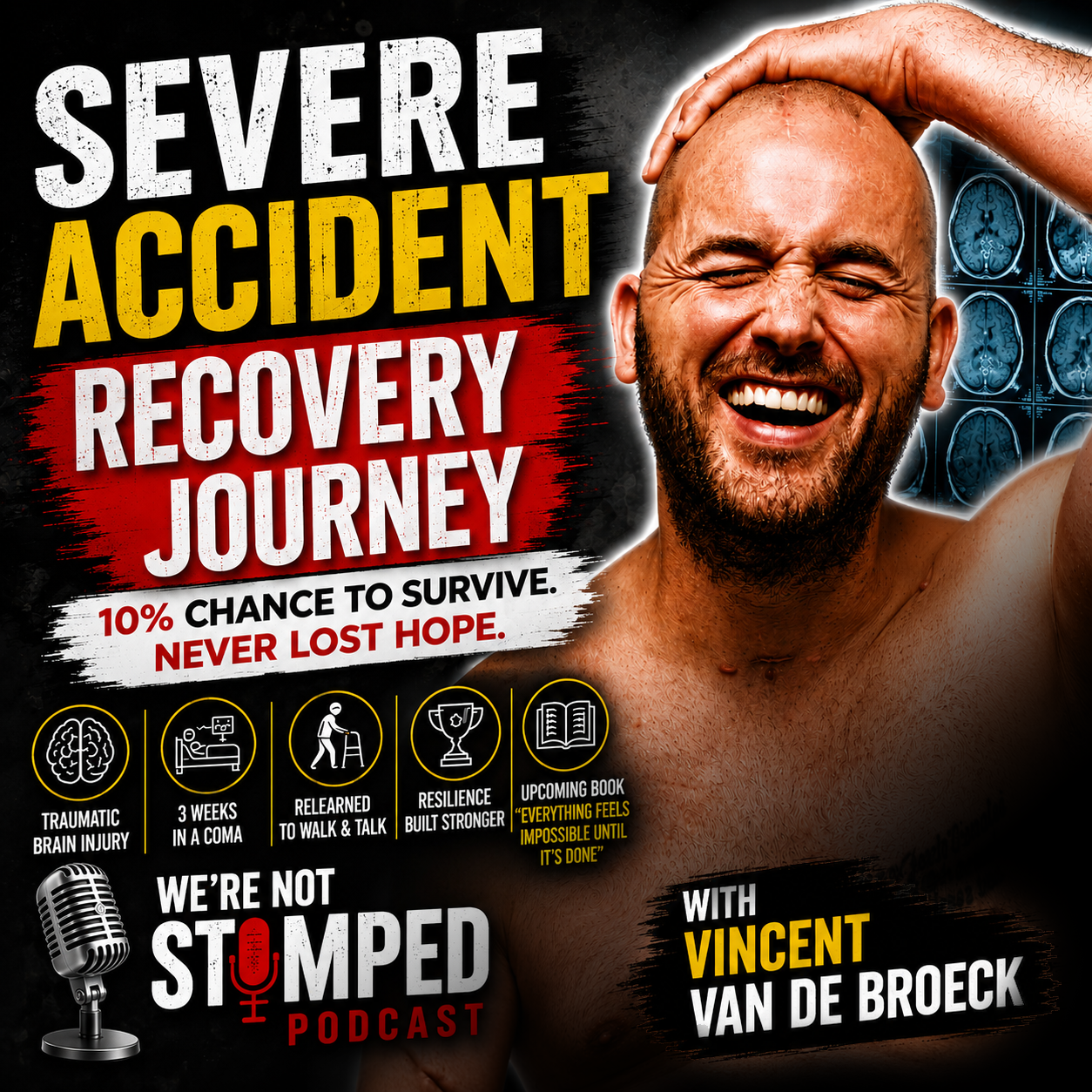
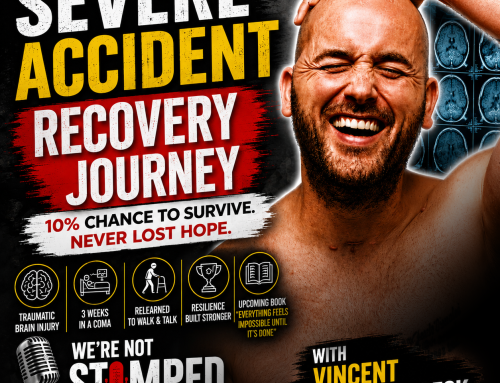
In this episode of We’re Not Stumped, host Mike Bolland talks with Vincent about his extraordinary recovery—relearning how to walk, talk, eat, and handle everyday tasks most of us take for granted. Vincent shares what it was really like to gradually wake from a coma, the difficult prognosis his family faced, and the extensive damage to his skull that eventually required a custom 3D-printed implant. He also discusses the people who refused to give up on him, particularly his wife and family, who lived through weeks of uncertainty while Vincent was unconscious. Through his recovery, Vincent came to see resilience not simply as something you're born with, but as something you can develop and strengthen. That experience also helped shape the ideas behind his book, Everything Feels Impossible Until It’s Done
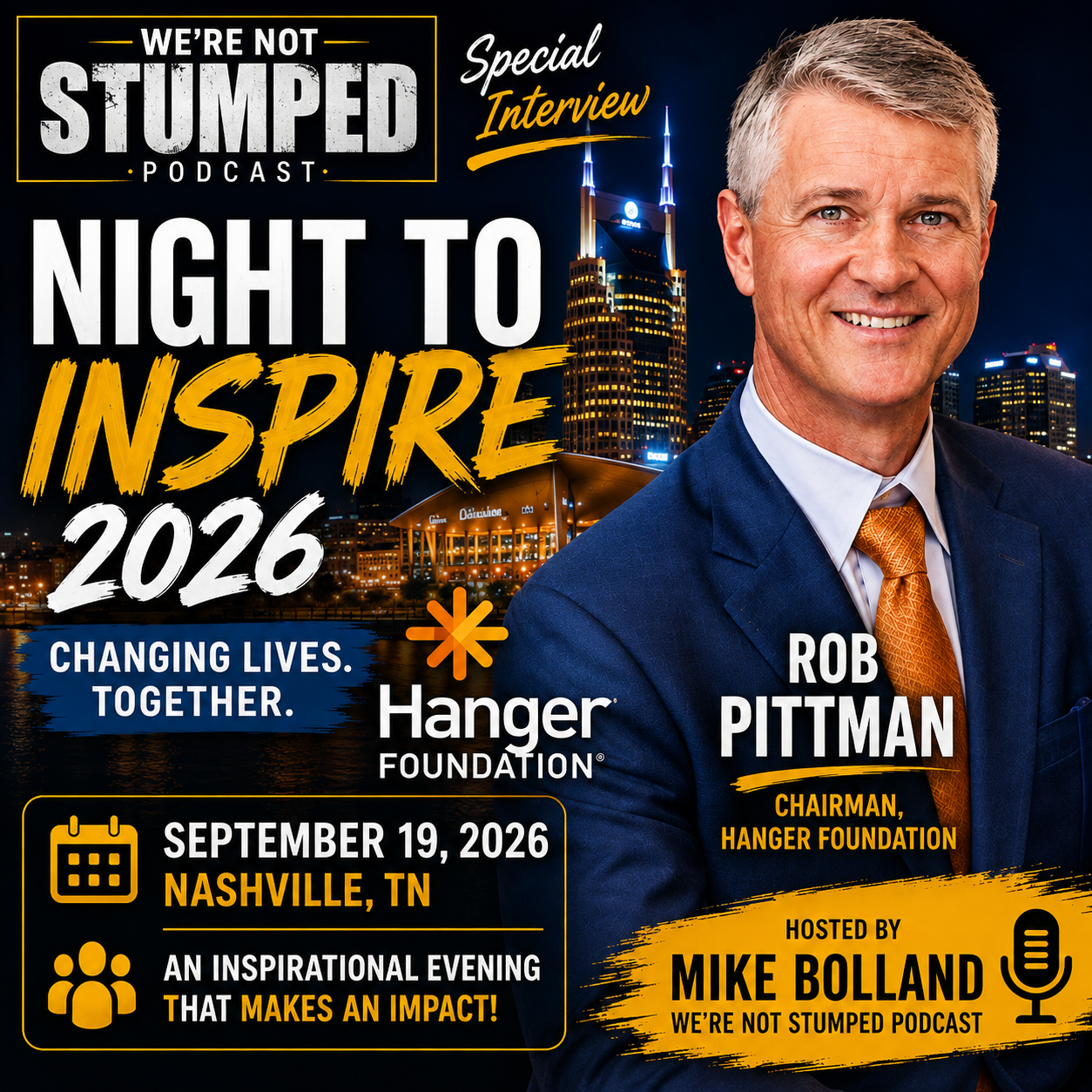
What happens when the limb loss community, prosthetics professionals, nonprofits, and supporters come together for a weekend built around giving back? In this episode of We’re Not Stumped, Mike Bolland talks with Rob Pittman of Hanger, Chairman of the Hanger Foundation’s Night to Inspire, about the upcoming 2026 Night to Inspire in Nashville, Tennessee. Now in its third year, Night to Inspire is expanding into a full weekend experience designed to raise funds, build awareness, and support organizations helping people with limb loss, limb difference, and mobility challenges.