
In this episode of We’re Not Stumped, host Mike Bolland sits down with Christopher Rodriguez, CEO of Ability360, to discuss the organization’s powerful role in promoting independence for individuals with disabilities. Learn about the wide range of programs and resources Ability360 offers, from adaptive sports to advocacy, and how they are transforming lives by empowering people to live fully and independently. Tune in for an inspiring conversation about inclusion, accessibility, and the future of disability support.
Website: https://ability360.org/
Ability360 is a 501 (c)(3) non-profit corporation. Through its comprehensive programs, Ability360 touches the lives of individuals with disabilities and addresses the disability concerns of their family members, co-workers and employers.
Ability360 began in 1977 as the Arizona Congress for Action (ACA), a group of people with diverse physical disabilities who launched a grassroots effort to educate the community about disability-related issues in Central Arizona. In 1978, Congress enacted Independent Living Center legislation as part of the amended Rehabilitation Act of 1973. In 1981, Ability360 received funding and began services.
With more than 130 staff members and volunteers, more than 1,500 personal care attendants and hundreds of volunteers, Ability360 has offices in Phoenix, Gilbert/Mesa, Glendale, Tucson, along with Coolidge, and provides services throughout Maricopa, Pima, Pinal, and Gila Counties. Ability360 programs are made possible through grants, fee-for-service contracts, and individual and corporate contributions.
#disabilityawareness #disabledcommunity #disabledandproud #limbloss #disabilityadvocate #disability
Listen on Apple Podcasts
Watch on YouTube
Listen on Spotify
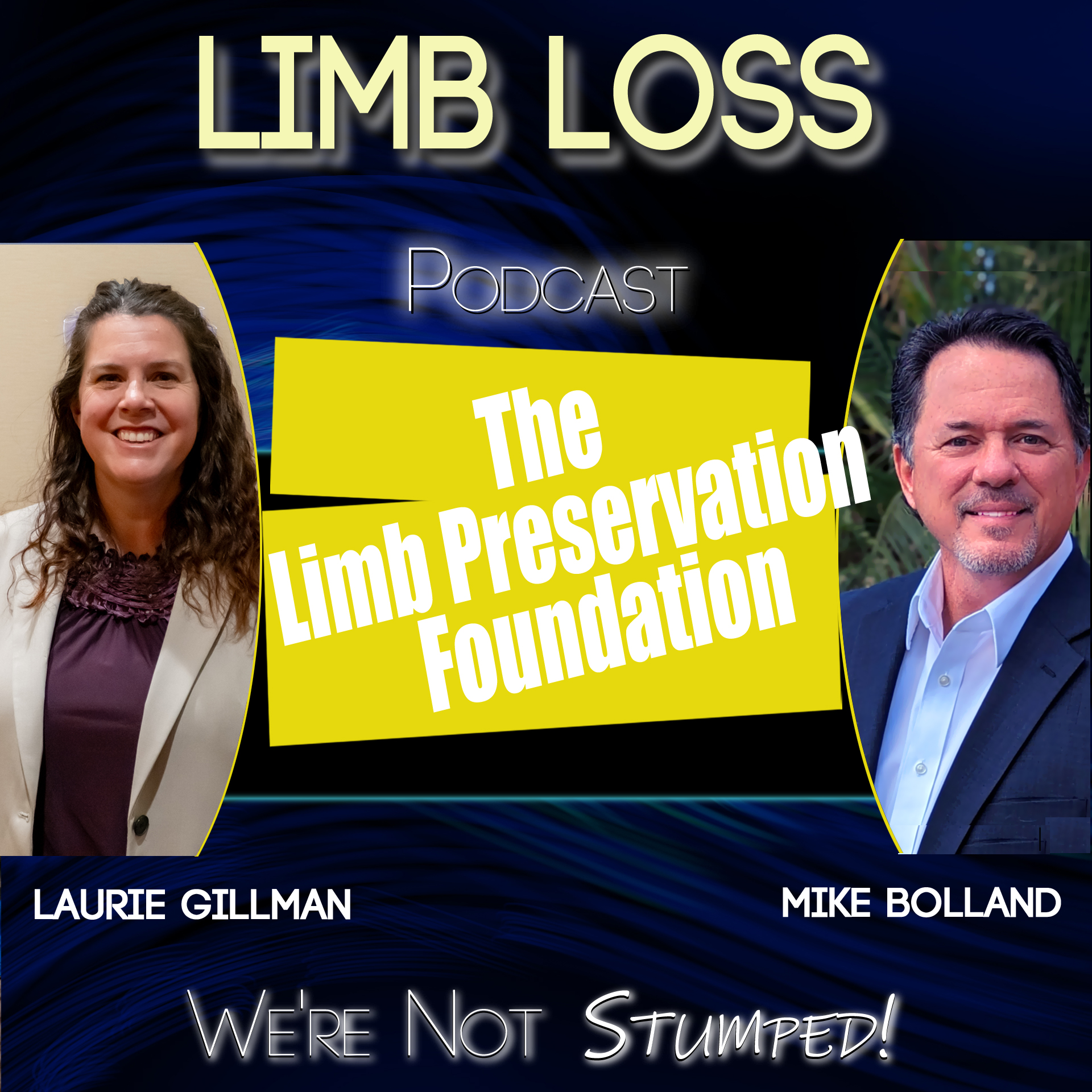
What kind of support truly makes a difference during limb loss or limb preservation? In this episode of We’re Not Stumped, Mike Bolland sits down with Laurie Gillman from the Limb Preservation Foundation to explore the programs helping individuals navigate some of life’s toughest moments. Laurie shares how LPF provides financial assistance, emotional support through peer groups, and educational resources designed to help people focus on healing and recovery. They also discuss the upcoming symposium, mental health initiatives, and the importance of community, caregiving, and celebrating small wins along the journey.
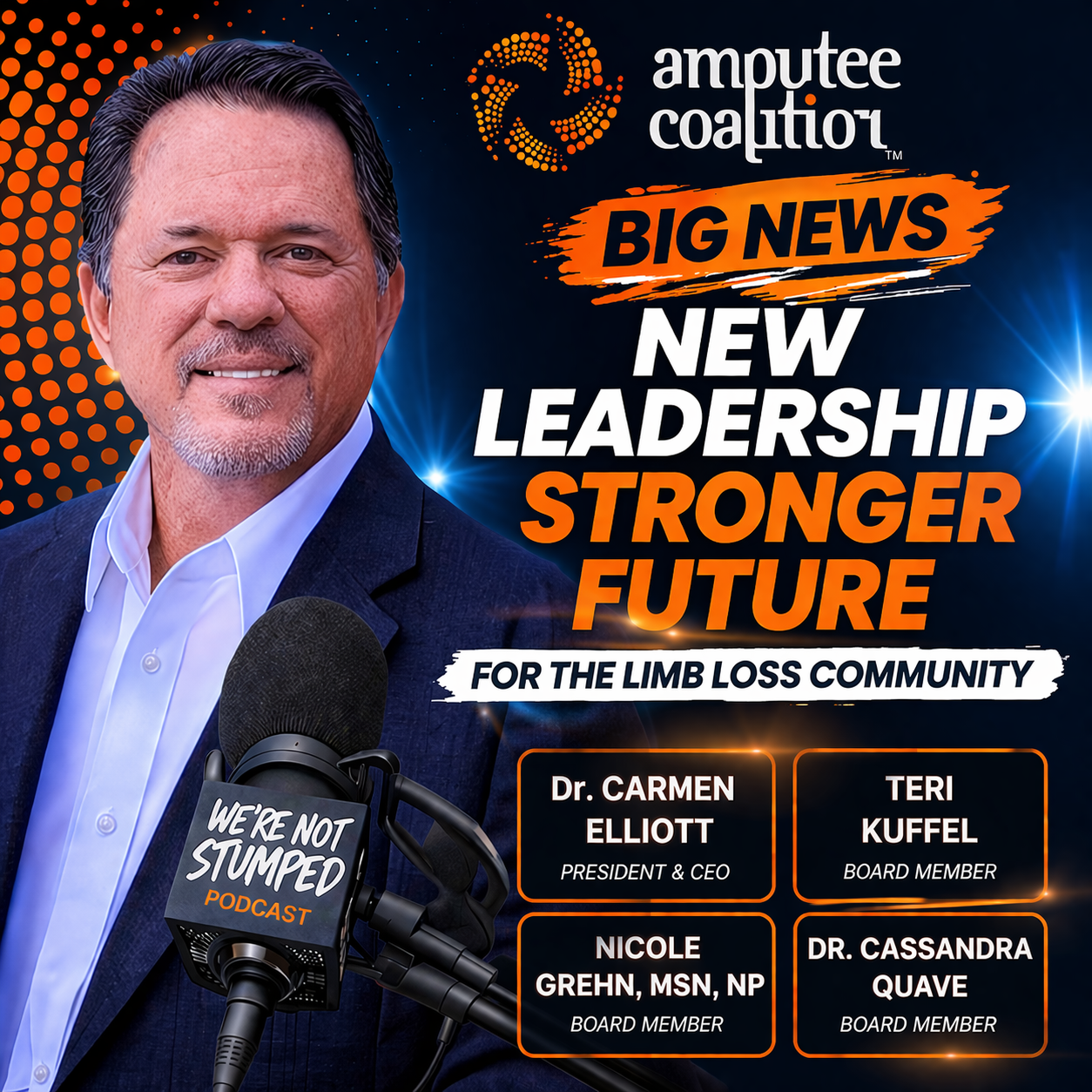
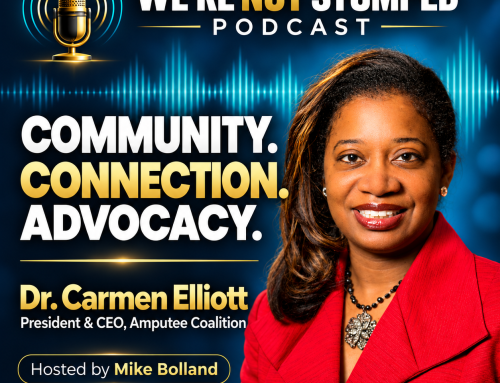
What do the new leadership changes at the Amputee Coalition mean for the limb loss community? In this episode of We’re Not Stumped, host Mike Bolland breaks down the latest updates, including the appointment of Dr. Carmen Elliott as President & CEO and the addition of new Board Members: Teri Kuffel Nicole Grehn, MSN, NP Dr. Cassandra Quave With backgrounds in healthcare, policy, research, and lived experience, this new leadership team brings a wide range of perspectives that could shape the future of care, advocacy, and support for people living with limb loss and limb difference.
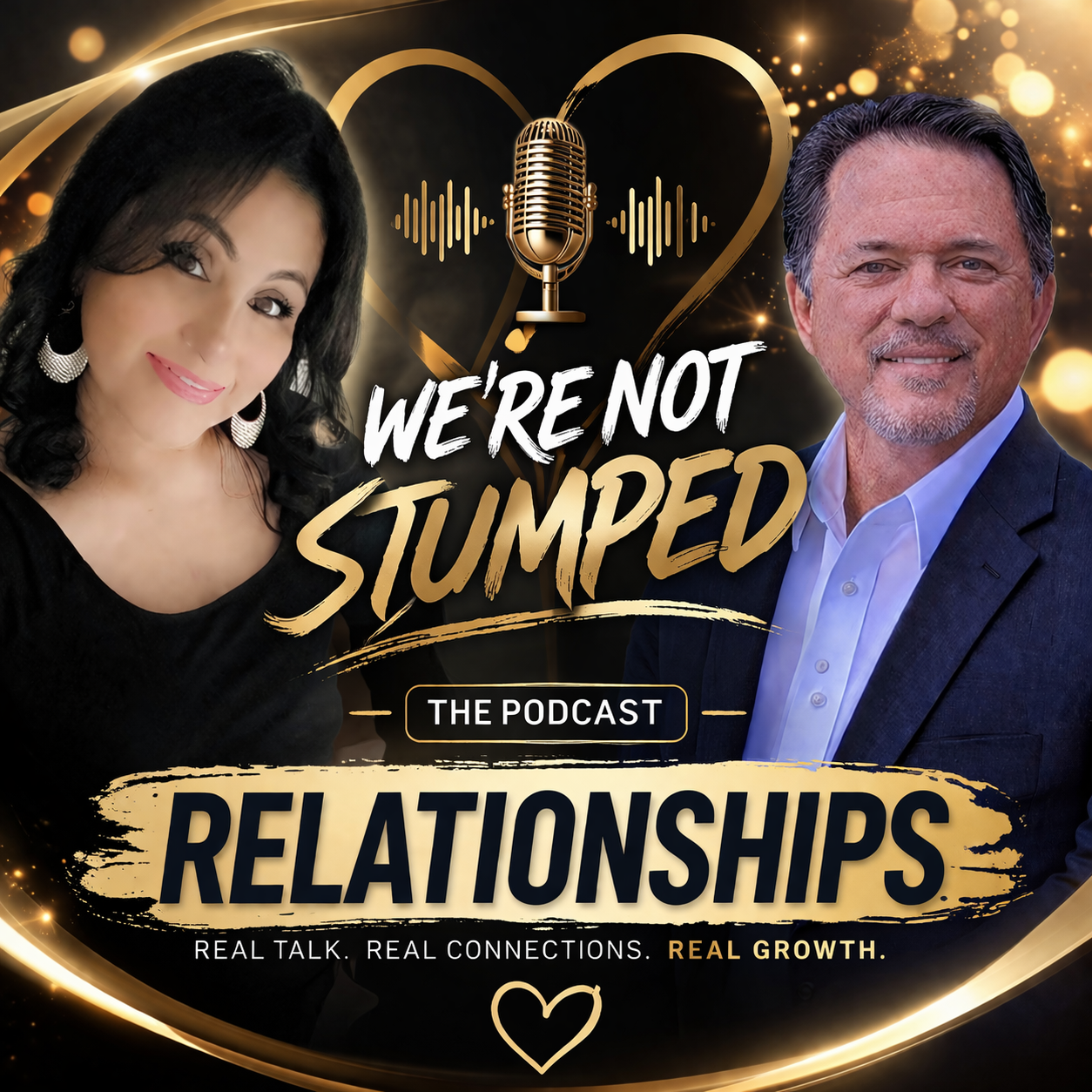
What is dating really like after limb loss? In this powerful episode of We’re Not Stumped, host Mike Bolland sits down with Neomi Flores to talk about relationships, confidence, and the realities of dating as an amputee. Neomi shares her deeply personal journey after losing her leg in 2022—including the emotional recovery, navigating self-confidence, and the challenges of putting herself back out there in the dating world.
Leave A Comment