What happens when people underestimate your potential your entire life—and you refuse to let them define your future?
In this episode of the We’re Not Stumped podcast, I sit down with Denny Burke, a licensed master social worker, disability advocate, and speaker who has spent his life proving that disability does not determine what someone can achieve.
Growing up legally blind and facing additional disabilities, Denny endured bullying, low expectations, and barriers that could have shaped the rest of his life. Instead, with the encouragement of mentors and his own determination, he became the first person in his immediate family to graduate from college and is now dedicated to helping others find their voice through self-advocacy and social work.
In this episode, we discuss:
👁️ Growing up legally blind and overcoming childhood adversity
🎓 Becoming the first in his family to graduate from college
💙 Why self-advocacy is one of the most important life skills
🧒 His passion for helping children and families through social work
♿ Challenging misconceptions about people with disabilities
💼 Creating more inclusive workplaces and communities
✈️ Accessible travel and advocating for disabled travelers
❤️ Family, mentoring, volunteering, and giving back
Denny’s story is a powerful reminder that disability is one part of who someone is—not a limit on what they can accomplish. Whether you’re living with a disability, supporting someone who is, or simply looking for an inspiring conversation about resilience and inclusion, this episode is for you.
🎙️ Subscribe to We’re Not Stumped for more conversations highlighting resilience, advocacy, adaptive living, and the people making a difference in the disability community.
#DisabilityAdvocacy #SelfAdvocacy #DisabilityInclusion #SocialWork #LegalBlindness #AdaptiveLiving #Accessibility #Inclusion #WereNotStumped #DisabilityPodcast
Listen on Apple Podcasts
Watch on YouTube
Listen on Spotify
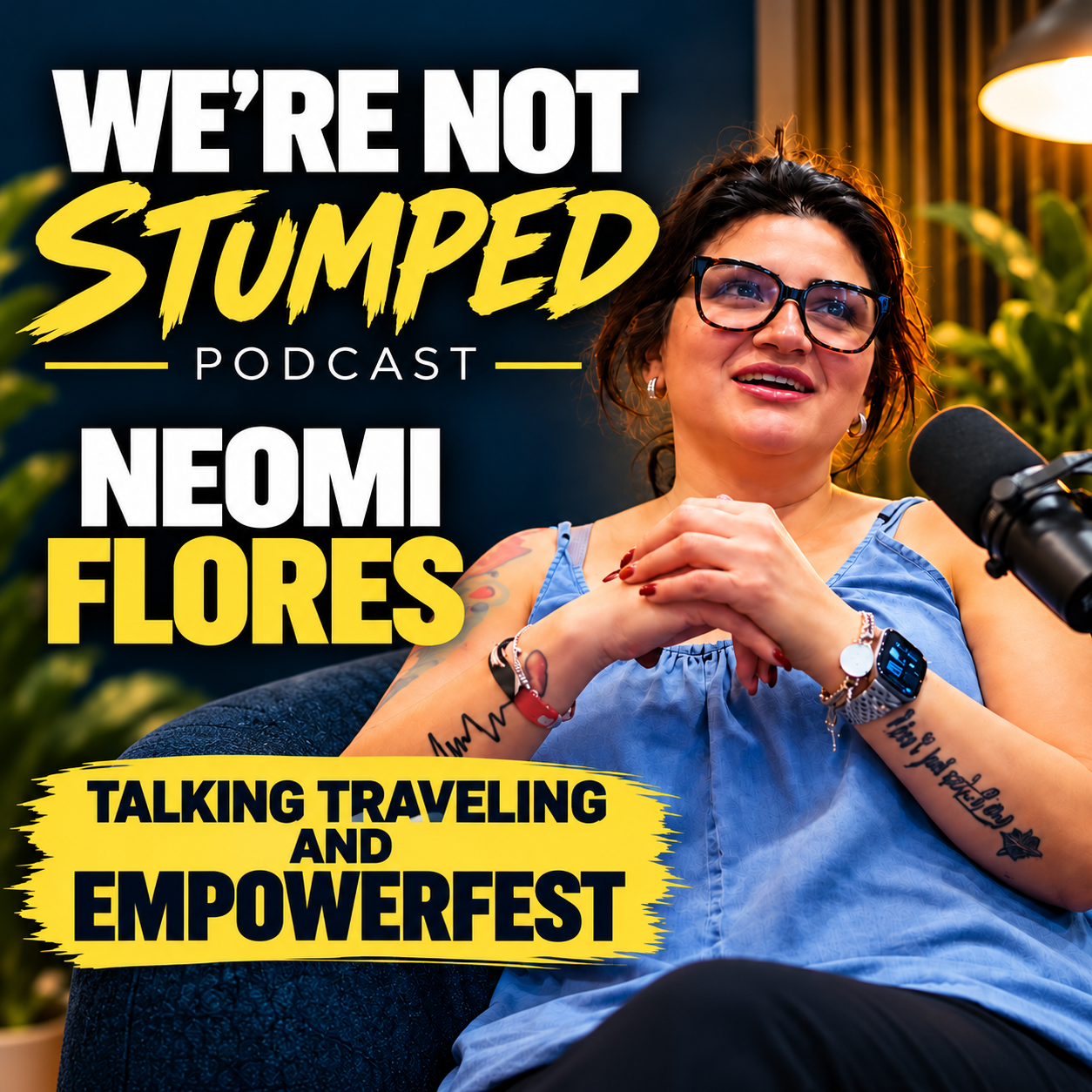
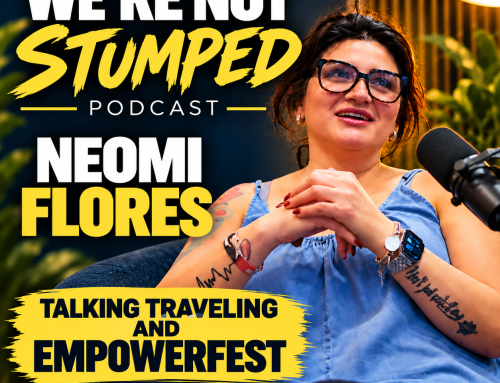
In this episode of We’re Not Stumped, Neomi Flores joins host Mike Bolland for an in-person conversation about traveling and EmpowerFest. Neomi is missing her left leg below the knee and brings her own perspective to the conversation. Neomi and Mike discuss experiences on the road and the connections made through events like EmpowerFest. Recorded together in person, this episode explores the value of meeting people and sharing experiences within the disability community. Have you attended EmpowerFest? What’s your favorite travel experience? We’d love to hear from you.
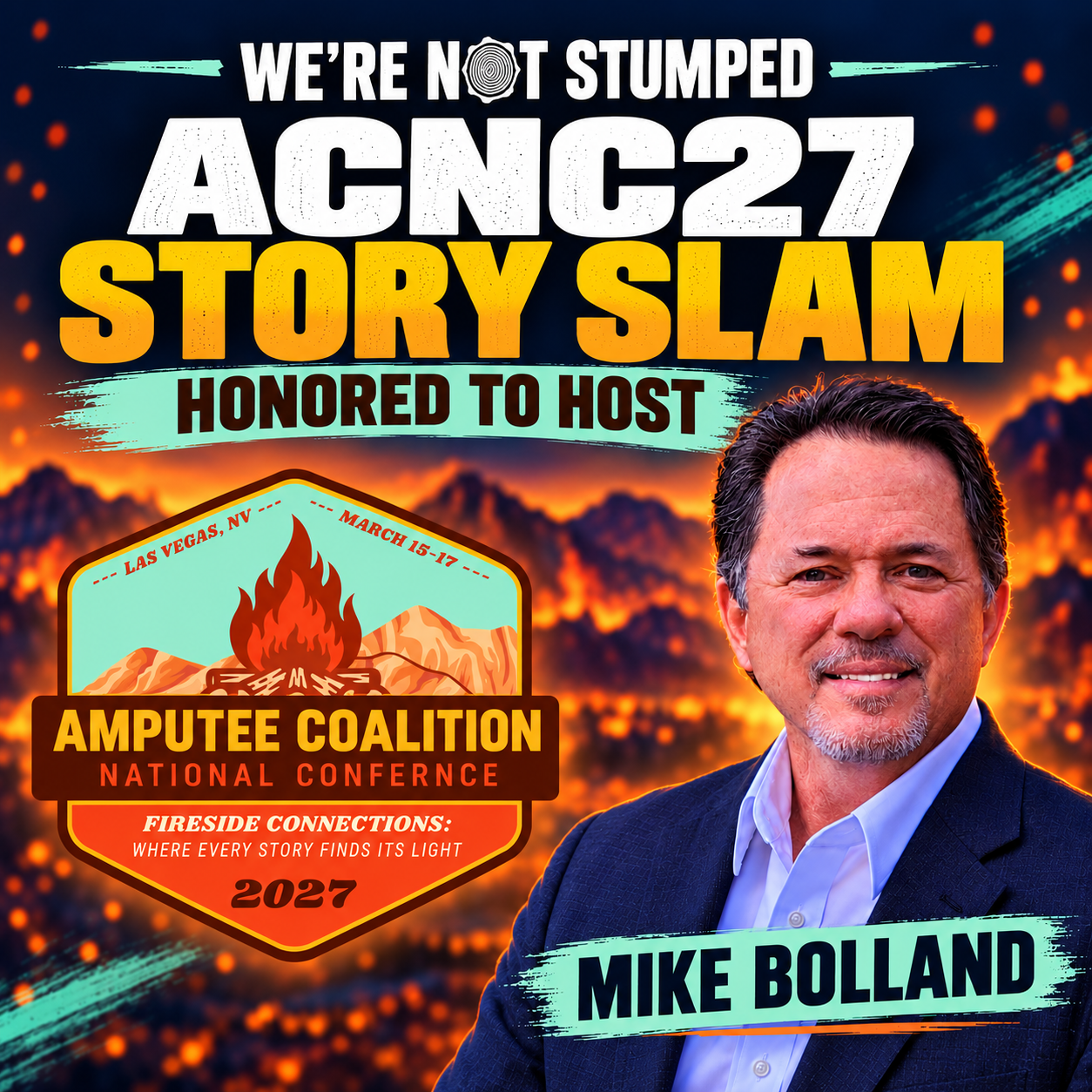
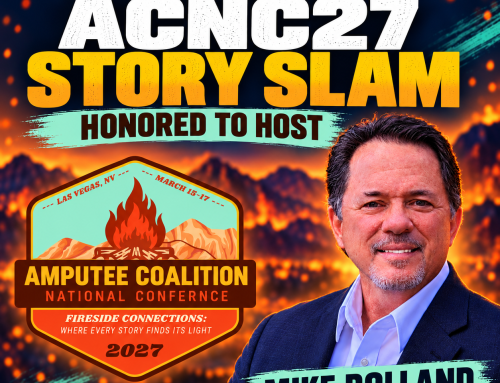
Everyone has a story worth sharing—and at the 2027 Amputee Coalition National Conference, those stories will take center stage. It’s an honor for We're Not Stumped host Mike Bolland to serve as host and help create a welcoming space for the community’s voices. “Story Slam: Where Every Story Finds Its Light” brings the community together for an evening of laughter, connection, and five-minute stories. Twenty storytellers will be selected at random to share a moment from their lives. There’s no competition, no judging, and no expectation that a story must be inspirational or about limb loss or limb difference. In this episode of We’re Not Stumped, Mike Bolland introduces the event and shares what attendees can look forward to.
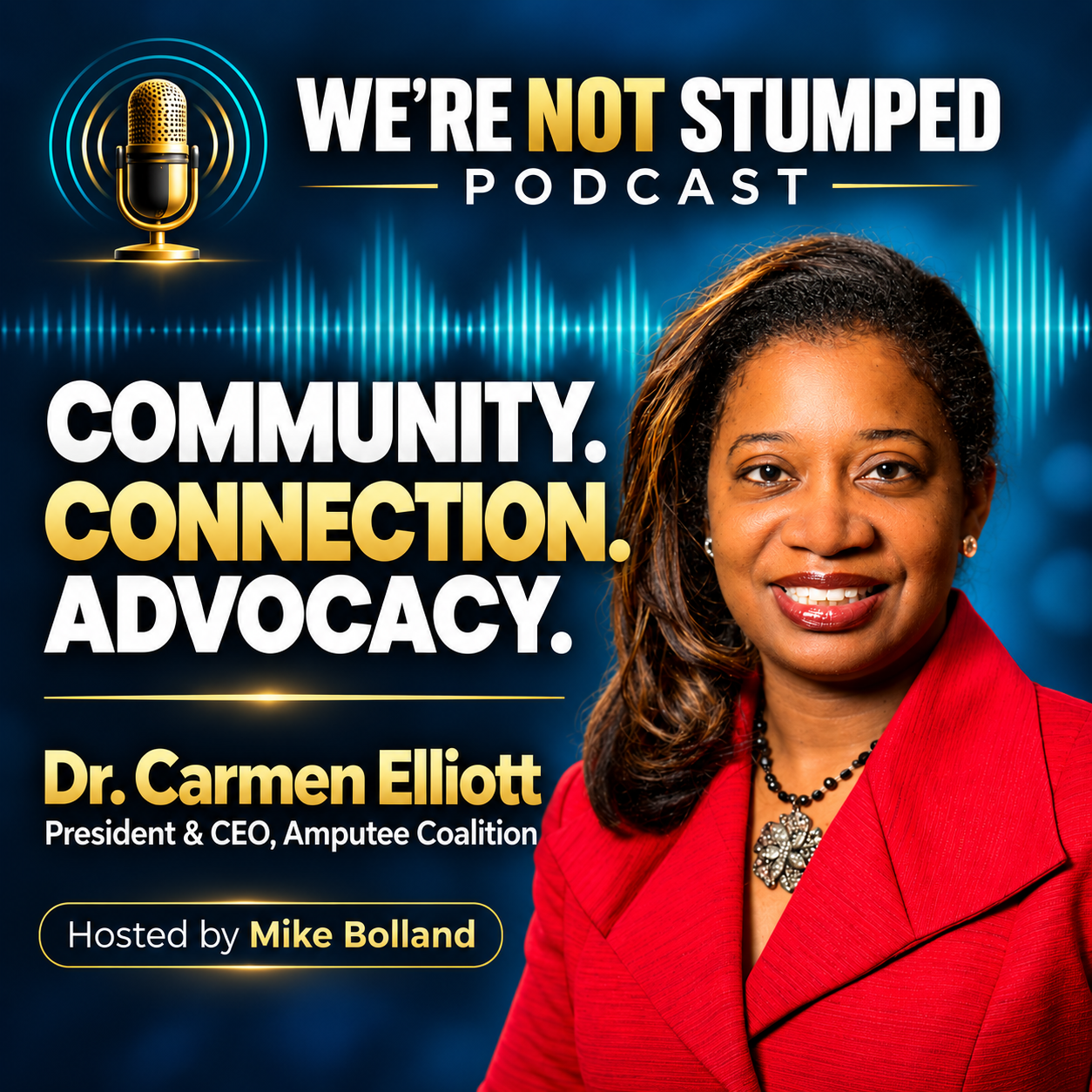
Dr. Carmen Elliott, the new President and CEO of the Amputee Coalition, joins Mike Bolland for a conversation about community, advocacy, and helping people with limb loss and limb difference find the support they need. Carmen shares how her family’s experiences with healthcare access and limb loss shaped her commitment to this work. Together, they explore the value of peer support, access to prosthetics, and including families and caregivers in the conversation. They also discuss support groups, certified peer visitors, AC Connect, and the upcoming “Fireside Connections” conference.