What happens when people underestimate your potential your entire life—and you refuse to let them define your future?
In this episode of the We’re Not Stumped podcast, I sit down with Denny Burke, a licensed master social worker, disability advocate, and speaker who has spent his life proving that disability does not determine what someone can achieve.
Growing up legally blind and facing additional disabilities, Denny endured bullying, low expectations, and barriers that could have shaped the rest of his life. Instead, with the encouragement of mentors and his own determination, he became the first person in his immediate family to graduate from college and is now dedicated to helping others find their voice through self-advocacy and social work.
In this episode, we discuss:
👁️ Growing up legally blind and overcoming childhood adversity
🎓 Becoming the first in his family to graduate from college
💙 Why self-advocacy is one of the most important life skills
🧒 His passion for helping children and families through social work
♿ Challenging misconceptions about people with disabilities
💼 Creating more inclusive workplaces and communities
✈️ Accessible travel and advocating for disabled travelers
❤️ Family, mentoring, volunteering, and giving back
Denny’s story is a powerful reminder that disability is one part of who someone is—not a limit on what they can accomplish. Whether you’re living with a disability, supporting someone who is, or simply looking for an inspiring conversation about resilience and inclusion, this episode is for you.
🎙️ Subscribe to We’re Not Stumped for more conversations highlighting resilience, advocacy, adaptive living, and the people making a difference in the disability community.
#DisabilityAdvocacy #SelfAdvocacy #DisabilityInclusion #SocialWork #LegalBlindness #AdaptiveLiving #Accessibility #Inclusion #WereNotStumped #DisabilityPodcast
Listen on Apple Podcasts
Watch on YouTube
Listen on Spotify
What happens when life takes you in an unexpected direction? For William Person, it meant going from college track and field to becoming an Olympic bobsledder — despite once thinking the sport was “stupid.” In this compelling episode of We’re Not Stumped, host Mike Bolland dives deep into Will’s remarkable story — from athletic triumphs to the unseen mental and physical toll of high-impact sports. Will shares: ✅ An Unexpected Start – How a Canadian team discovered him at ASU and convinced him to try bobsledding—only for him to win a medal in his first week. ✅ The Hidden Dangers – The connection between bobsledding and CTE, the effects of repeated high G-forces, and the lack of medical safeguards for athletes. ✅ Cognitive & Emotional Struggles – How memory lapses, confusion, and the loss of a teammate shaped his journey toward healing. ✅ Advocacy & Recovery – Will’s mission to raise awareness about mental health, his success with oxygen therapy, and his vision to open a treatment facility for athletes and veterans in St. Louis. This episode goes far beyond sports—it’s a story of resilience, healing, and the fight for athlete safety.
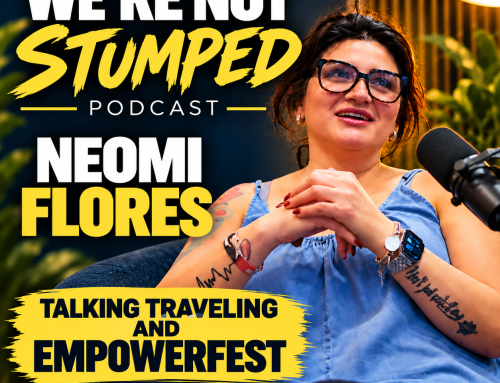
In this episode of We’re Not Stumped, host Mike Bolland speaks with Neomi Flores, who became an amputee at age 43 after a blood clot changed her life forever. Neomi shares her powerful journey, including: The frightening symptoms that led to her amputation Facing fear and uncertainty before surgery A year in a wheelchair and the challenges of recovery Learning to walk again with prosthetics Drawing strength from her faith, her children, and small victories The meaning behind her tattoo: “Don’t just exist, live” Her story is one of resilience, gratitude, and determination—a reminder that even in life’s toughest moments, it’s possible to find purpose and live fully.
Mike Bolland highlights two powerful topics of resilience, and community. Topic 1 – A Call for Coaches ArizonAbility is launching a basketball clinic for adults with disabilities, and they’re looking for a passionate coach to lead the way. This isn’t just about basketball—it’s about confidence, teamwork, and creating a space where every player can thrive. Mike explains what this opportunity means for the community and how one coach can make a life-changing impact. Topic 2 – Inspiration from Legapalooza Mike also shares the inspiring story of Legapalooza (https://legapalooza.com/), founded by Tommy Donahue after a life-changing accident. What started as a small charity event has grown into a movement of resilience, connection, and giving back. Tommy’s journey reminds us that when we come together, we can turn challenges into opportunities for hope and empowerment.