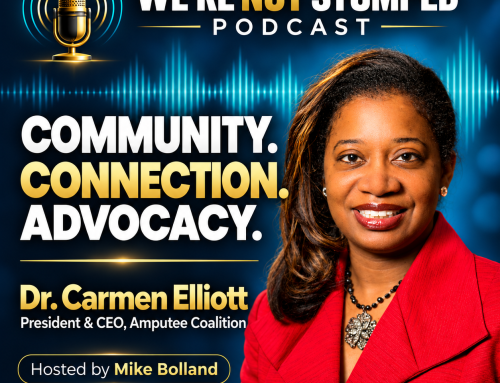
What happens when people underestimate your potential your entire life—and you refuse to let them define your future?
In this episode of the We’re Not Stumped podcast, I sit down with Denny Burke, a licensed master social worker, disability advocate, and speaker who has spent his life proving that disability does not determine what someone can achieve.
Growing up legally blind and facing additional disabilities, Denny endured bullying, low expectations, and barriers that could have shaped the rest of his life. Instead, with the encouragement of mentors and his own determination, he became the first person in his immediate family to graduate from college and is now dedicated to helping others find their voice through self-advocacy and social work.
In this episode, we discuss:
👁️ Growing up legally blind and overcoming childhood adversity
🎓 Becoming the first in his family to graduate from college
💙 Why self-advocacy is one of the most important life skills
🧒 His passion for helping children and families through social work
♿ Challenging misconceptions about people with disabilities
💼 Creating more inclusive workplaces and communities
✈️ Accessible travel and advocating for disabled travelers
❤️ Family, mentoring, volunteering, and giving back
Denny’s story is a powerful reminder that disability is one part of who someone is—not a limit on what they can accomplish. Whether you’re living with a disability, supporting someone who is, or simply looking for an inspiring conversation about resilience and inclusion, this episode is for you.
🎙️ Subscribe to We’re Not Stumped for more conversations highlighting resilience, advocacy, adaptive living, and the people making a difference in the disability community.
#DisabilityAdvocacy #SelfAdvocacy #DisabilityInclusion #SocialWork #LegalBlindness #AdaptiveLiving #Accessibility #Inclusion #WereNotStumped #DisabilityPodcast
Listen on Apple Podcasts
Watch on YouTube
Listen on Spotify
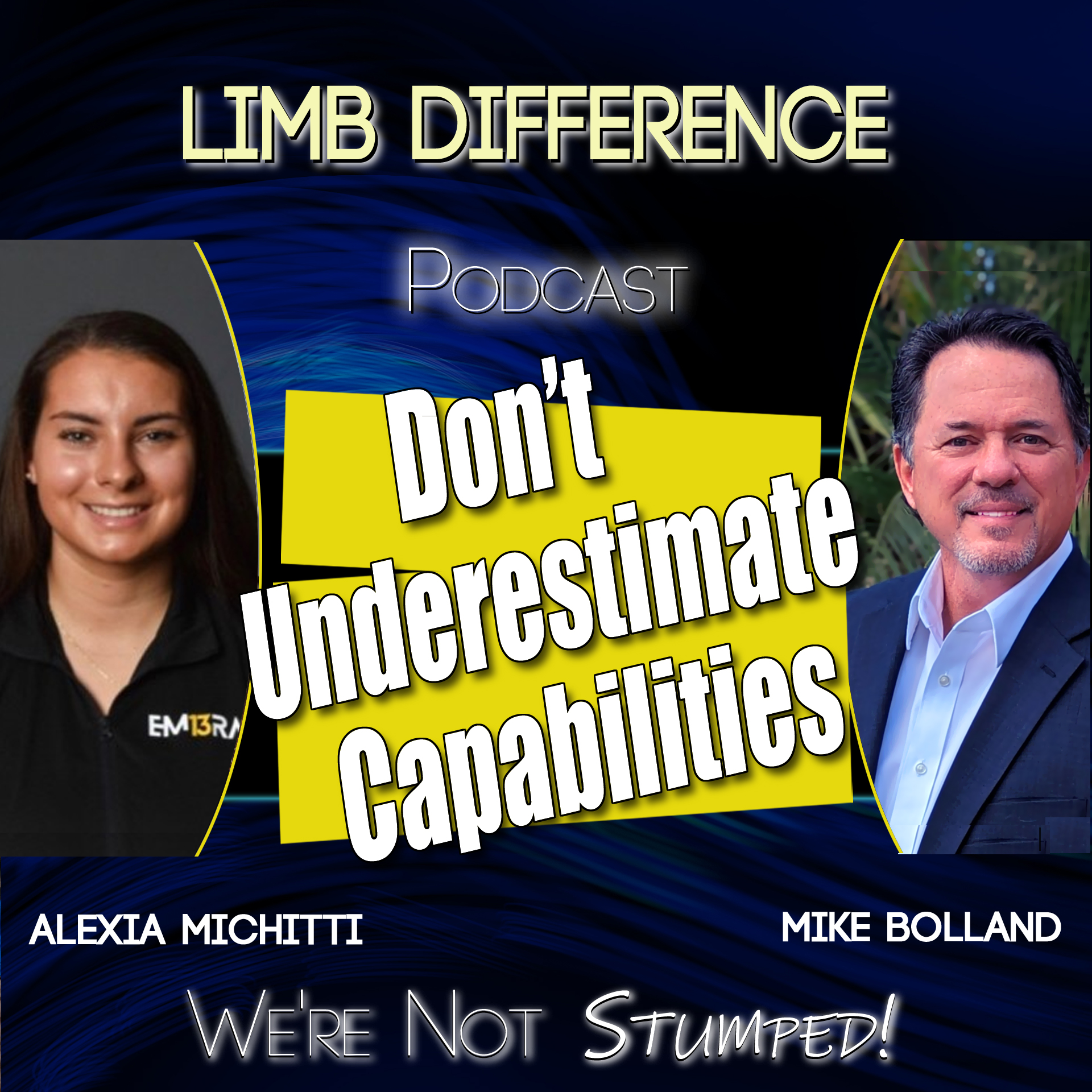
Host Mike Bolland sits down with Alexia Michitti—a public speaker, athlete, and entrepreneur born without a right hand. Together, they reflect on their shared experiences of limb difference and Alexia’s powerful journey of resilience, determination, and innovation. Alexia shares how she’s breaking barriers in sports and beyond—from representing the U.S. in the first Women’s Amputee Soccer World Cup, to filing a patent for adaptive clothing through her brand Em13race (https://em13race.com/), to finding her voice as a motivational speaker. She opens up about life without a prosthetic, her role models, and her passion for inspiring children with limb differences to embrace their uniqueness.
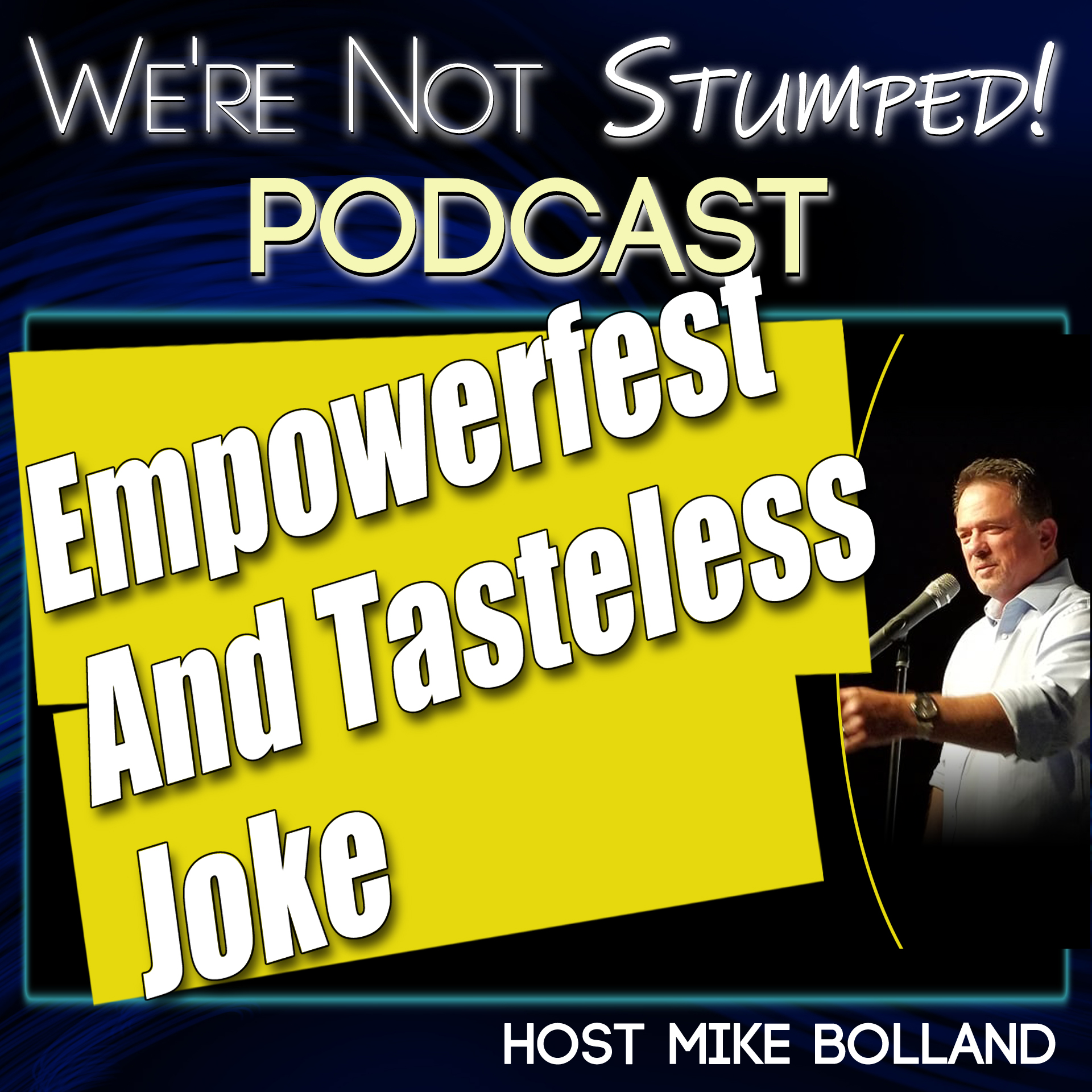
In this episode of We’re Not Stumped, host Mike Bolland reviews EmpowerFest 2025, celebrating the limb loss and limb difference community with inspiring speakers, adaptive activities, and unforgettable moments. Mike also shares a story about a comedian who made a tasteless joke about the limb loss community — and how he got the comedian to remove the post. Tune in for insights, laughs, and a look at what makes the limb loss community so resilient and inspiring!
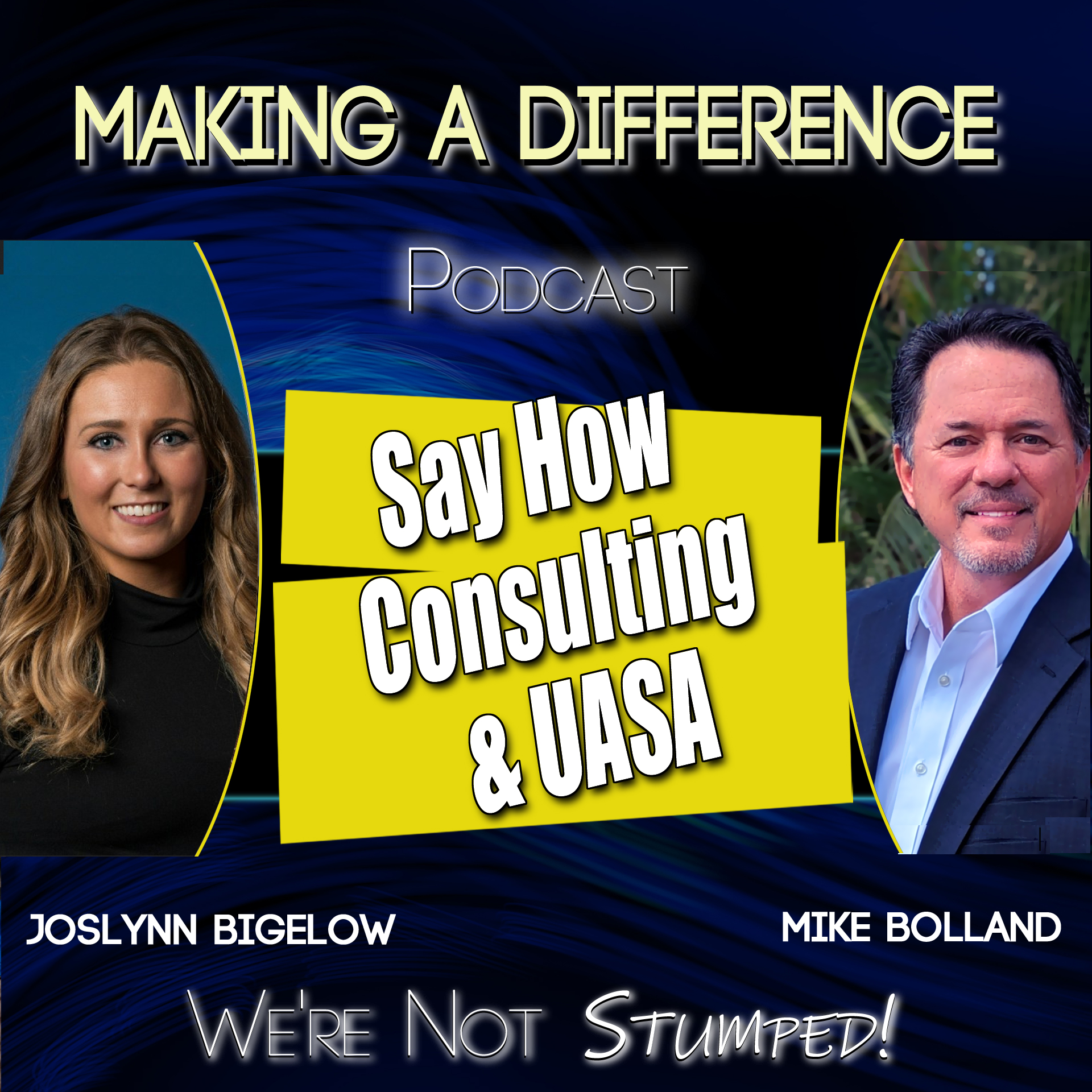
In this episode of We’re Not Stumped, host Mike Bolland sits down with Joslynn Bigelow, founder and CEO of Say How Consulting, for a powerful conversation on disability advocacy, system navigation, and the importance of dignity of risk. Joslynn shares her personal journey into advocacy, the launch of her consulting business, and her five guiding principles for creating inclusive services: dignity of risk, individual readiness, assess and address, authentic experience, and realistic opportunities. The discussion dives into: ✅ Why “say how” means finding solutions when systems say “no” ✅ The role of dignity of risk in fostering independence and inclusion ✅ The origins and growth of the United Adaptive Soccer Association (UASA) ✅ The challenges of advancing inclusion in adaptive sports ✅ The unique opportunities upcoming global sporting events offer for disability awareness