In this powerful episode of We’re Not Stumped, Mike Bolland sits down with Kelvin Crosby , a remarkable individual whose journey from hearing loss and blindness to becoming an inventor, artist, and advocate will leave you inspired. Diagnosed with hearing loss as a child, Kelvin later lost his vision due to Usher Syndrome Type 2. He opens up about the emotional toll this took on him, including thoughts of suicide, and the turning point when he chose to embrace his deafblindness instead of letting it define him.
Kelvin shares how this decision sparked a new purpose in life—one rooted in helping others. His invention, the See Me Cane, is a game-changer for people with visual impairments. Designed to enhance safety and awareness, the cane features a light that gives users control over their environment while maintaining their ability to hear. Kelvin explains how this tool has not only improved his own life but also empowered others with confidence and mobility.
The conversation also explores Kelvin’s unexpected journey into pottery. Losing his vision at 32, he found healing through clay, eventually becoming the Deaf Blind Potter. What began as a side project blossomed into a thriving business and popular TikTok channel. Kelvin also shares his goal of funding 1,000 See Me Canes and his collaboration with an engineer to bring his invention to market.
Mike and Kelvin discuss his three podcasts—Perseverance Podcast, See Me Cane Podcast, and Investing in Accessibility—each focused on uplifting stories, product development, and accessibility innovation. They even touch on goalball, a thrilling Paralympic sport played by blind athletes.
Kelvin’s story is one of grit, creativity, and choosing joy. Whether you’re facing your own challenges or seeking inspiration, this episode reminds us that adversity can lead to purpose.
Links:
Personal Website: https://kelvincrosby.com/
DeafBlindPotter: https://www.deafblindpotter.com/
SeeMeCane: https://www.seemecane.com/
Listen on Apple Podcasts
Watch on YouTube
Listen on Spotify
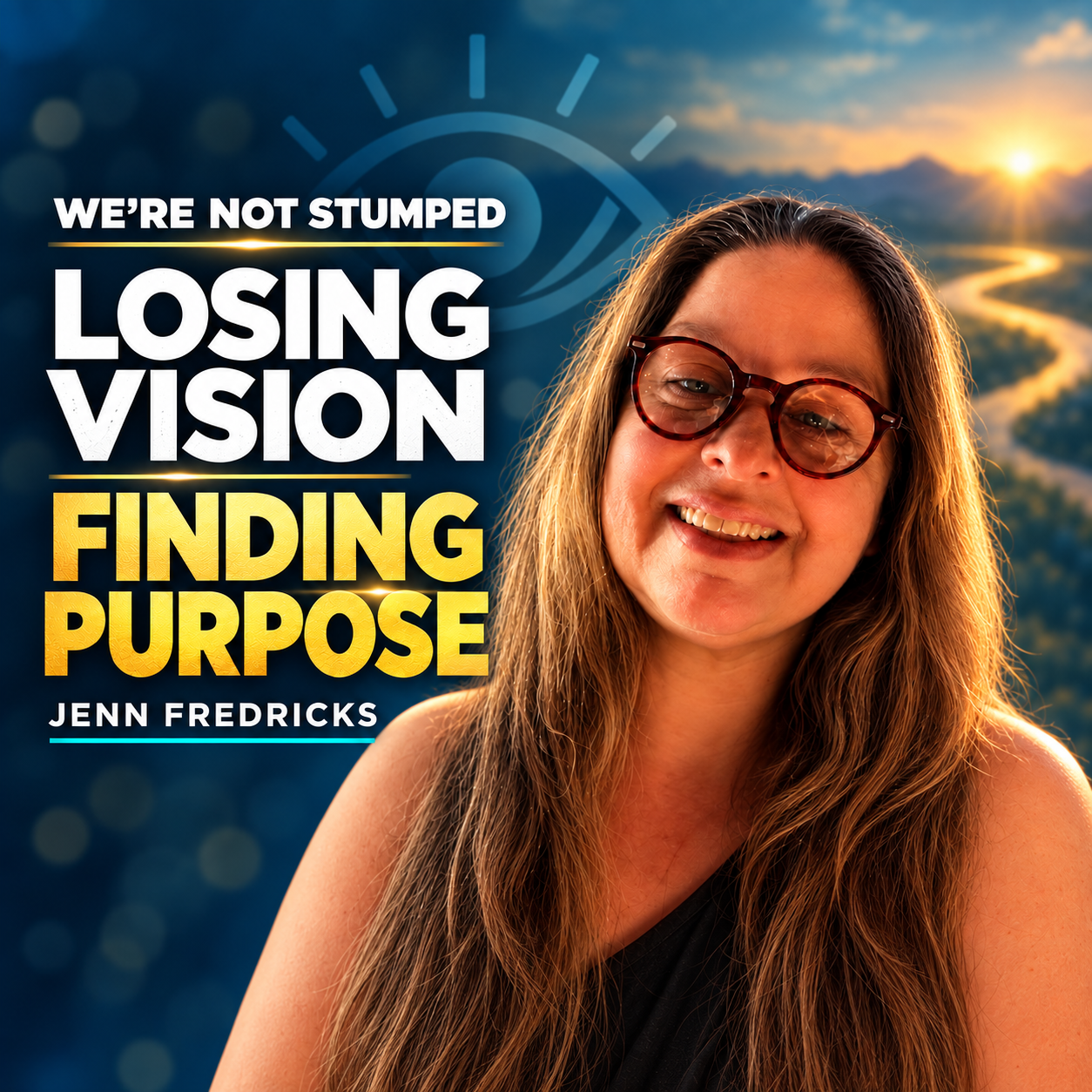
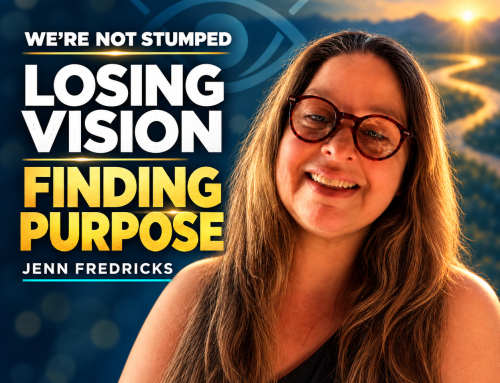
How do you move forward when vision loss changes your career, independence, and plans for the future? In this episode of We’re Not Stumped, Mike Bolland speaks with Jennifer Frederick about living with permanent vision loss and learning to advocate for herself along the way. Jennifer explains how changes in her vision eventually forced her to leave a career in crisis management. She also discusses the challenges she now faces while looking for work, including interview practices that have left her questioning whether she is being treated fairly as a person with a disability. The conversation explores Jenn’s decision not to undergo surgery for her detached retinas, the importance of seeking medical attention when your vision changes, and the need to take ownership of your healthcare.
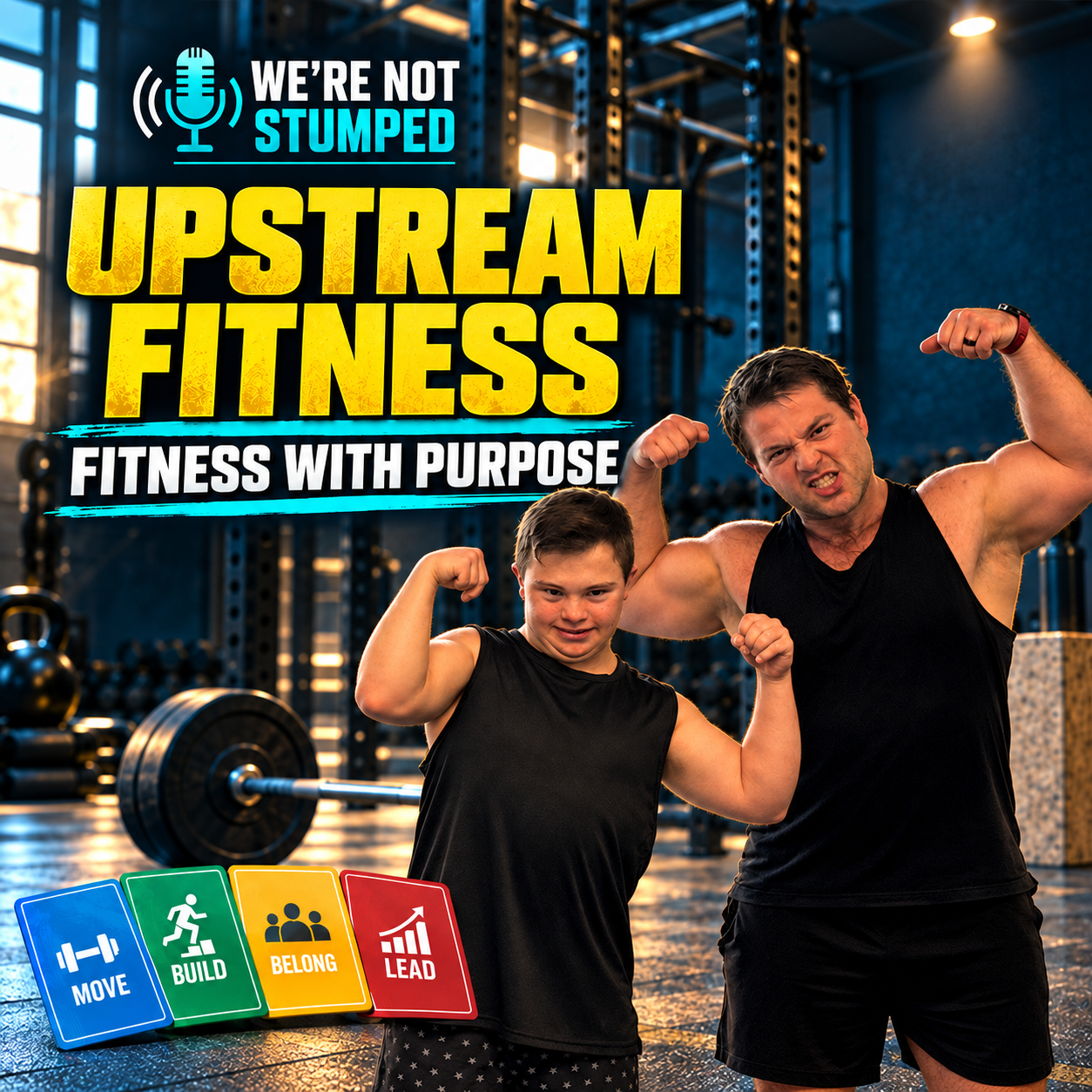
What happens when we stop deciding what someone is capable of—and give them the opportunity to lead? In this episode of We’re Not Stumped, Mike Bolland speaks with Nathan Kennedy of Upstream Fitness, Chris Kocurek, and Chris’s son, Coach Cameron “Coach Cam” Kocurek. Cameron, who has Down syndrome, began gymnastics as a child and went on to compete through Special Olympics and unified gymnastics. Today, he is using the confidence and skills he developed as an athlete to help coach others at Upstream Fitness. Nathan explains how Upstream Fitness uses movement, games, coaching cards, and step-by-step instruction to make exercise accessible for people with intellectual and developmental disabilities. Chris shares Cameron’s journey from athlete to assistant PE coach—and now toward meaningful employment and greater independence.
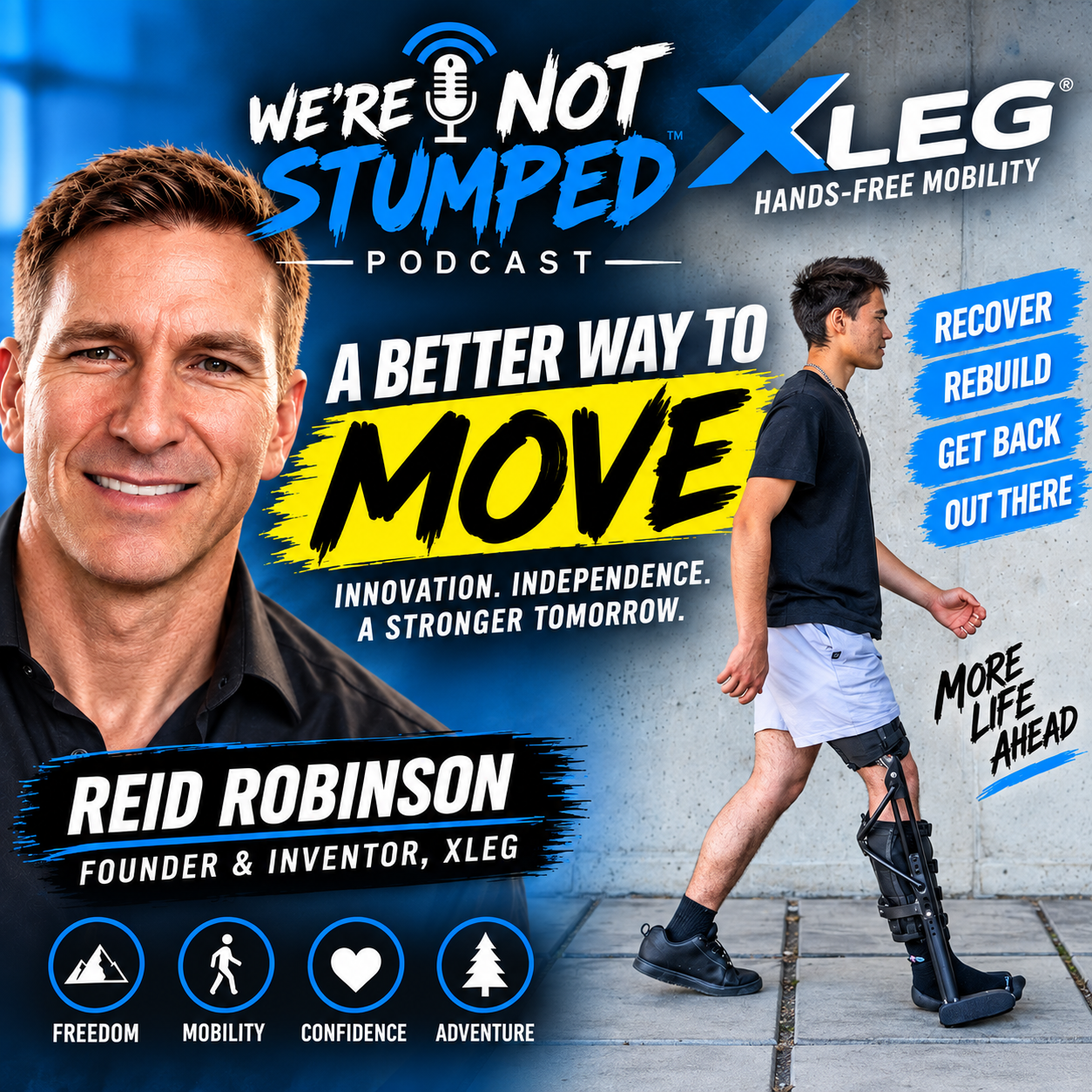
After losing control on an icy road in Calgary, Reid Robinson crashed into a tree and suffered devastating injuries to his lower leg. What followed were two and a half years of recovery, 13 surgeries, broken surgical hardware, bone infections, and a difficult decision between amputation and trying once more to save his leg. While recovering, Reid realized that none of the available mobility devices gave him the freedom he needed. So, despite having no welding experience, he taught himself by watching online videos and built his first leg brace from aluminum, crutches, and an IKEA cutting board. That garage-built prototype eventually became the X-Leg, a hands-free knee crutch designed to help people with lower-leg injuries stay active and independent during recovery.