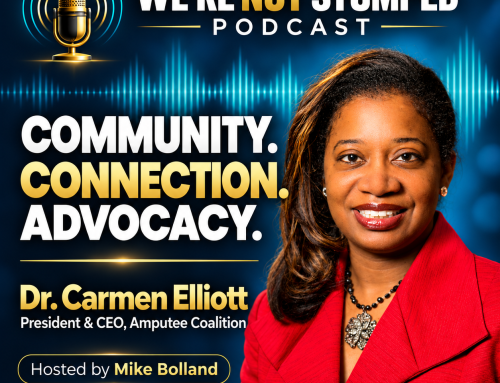
In this powerful episode of We’re Not Stumped, Mike Bolland sits down with Kelvin Crosby , a remarkable individual whose journey from hearing loss and blindness to becoming an inventor, artist, and advocate will leave you inspired. Diagnosed with hearing loss as a child, Kelvin later lost his vision due to Usher Syndrome Type 2. He opens up about the emotional toll this took on him, including thoughts of suicide, and the turning point when he chose to embrace his deafblindness instead of letting it define him.
Kelvin shares how this decision sparked a new purpose in life—one rooted in helping others. His invention, the See Me Cane, is a game-changer for people with visual impairments. Designed to enhance safety and awareness, the cane features a light that gives users control over their environment while maintaining their ability to hear. Kelvin explains how this tool has not only improved his own life but also empowered others with confidence and mobility.
The conversation also explores Kelvin’s unexpected journey into pottery. Losing his vision at 32, he found healing through clay, eventually becoming the Deaf Blind Potter. What began as a side project blossomed into a thriving business and popular TikTok channel. Kelvin also shares his goal of funding 1,000 See Me Canes and his collaboration with an engineer to bring his invention to market.
Mike and Kelvin discuss his three podcasts—Perseverance Podcast, See Me Cane Podcast, and Investing in Accessibility—each focused on uplifting stories, product development, and accessibility innovation. They even touch on goalball, a thrilling Paralympic sport played by blind athletes.
Kelvin’s story is one of grit, creativity, and choosing joy. Whether you’re facing your own challenges or seeking inspiration, this episode reminds us that adversity can lead to purpose.
Links:
Personal Website: https://kelvincrosby.com/
DeafBlindPotter: https://www.deafblindpotter.com/
SeeMeCane: https://www.seemecane.com/
Listen on Apple Podcasts
Watch on YouTube
Listen on Spotify
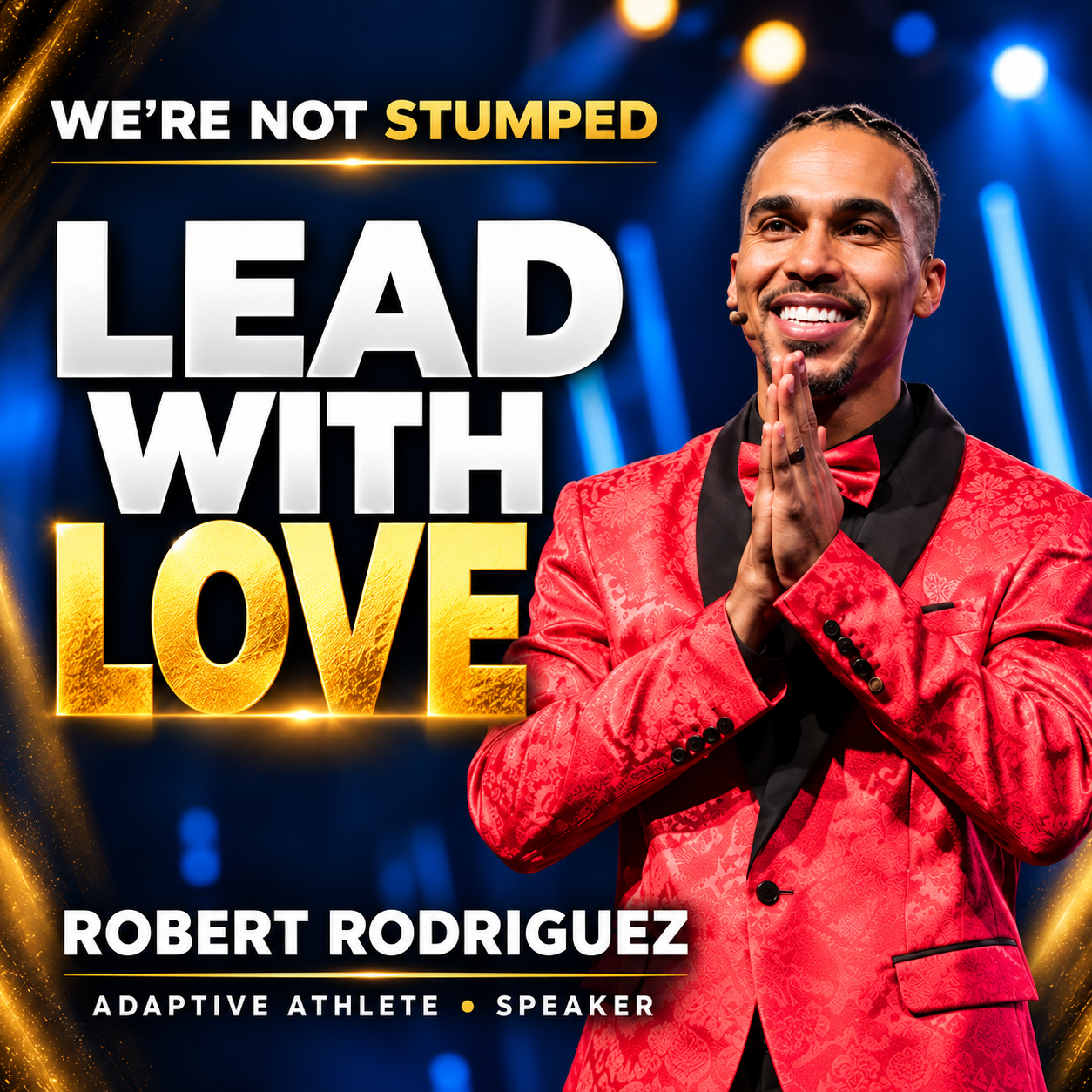
Adaptive athlete and motivational speaker Robert Rodriguez, also known as Robert Anthony, joins Mike Bolland on We’re Not Stumped for a conversation about growing up with limb difference, finding confidence through sports, and supporting others through limb loss. Born with fibular hemimelia, Robert shares the physical and social challenges he faced as a child, including bullying and barriers in sports. He reflects on his family’s support and his path into amputee soccer, paratriathlon, and beach volleyball. Mike and Robert also challenge the assumption that experiencing limb loss early in life means someone automatically has it easier—or has less to offer a person navigating a recent amputation.
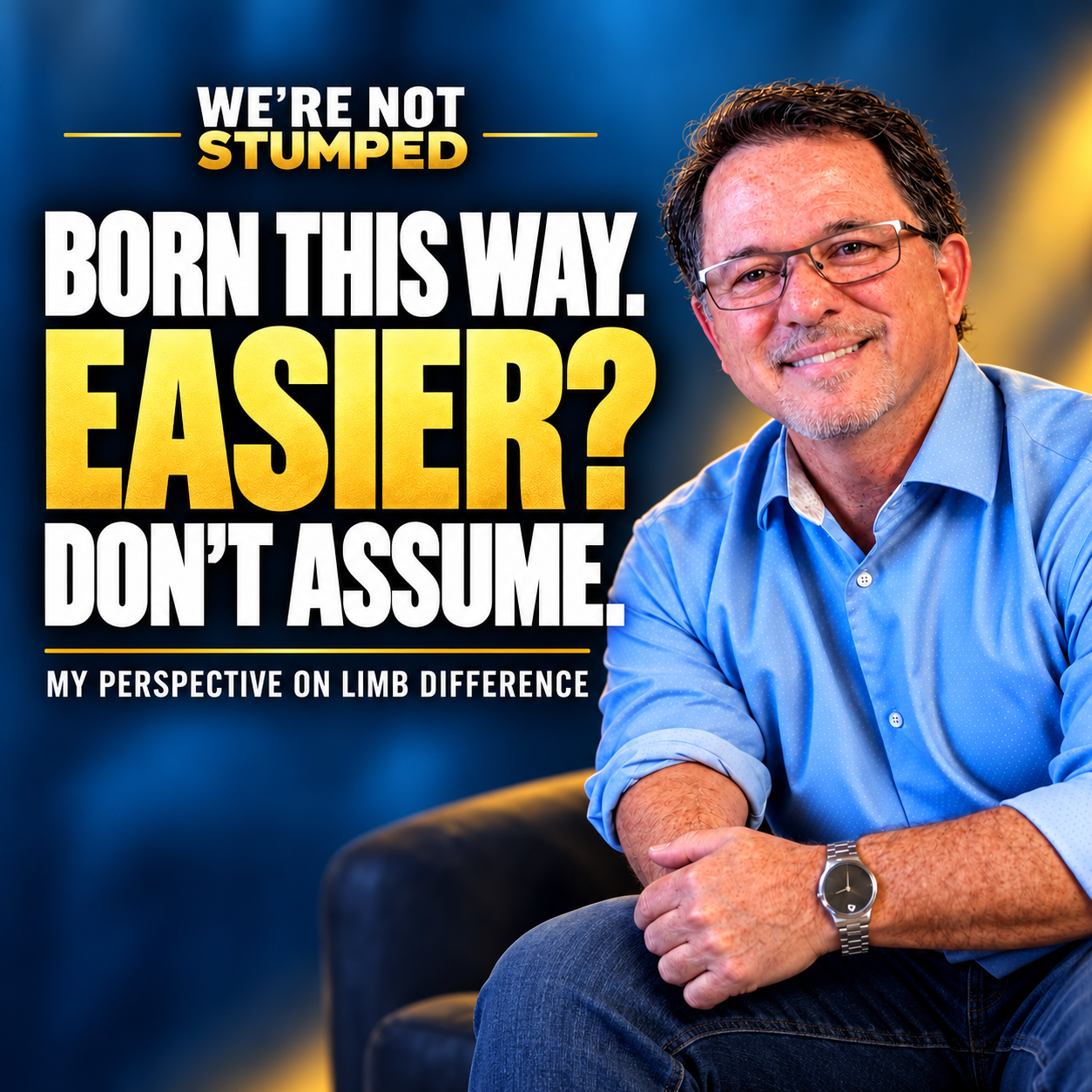
Does being born with a limb difference—or experiencing amputation as a child—mean you have it easier? In this solo episode of We’re Not Stumped, host Mike Bolland challenges an assumption that can leave people feeling dismissed within their own community. Born without a right hand, Mike shares why physical adaptation tells only part of the story. Through his podcast and community work, he’s met people whose experiences include bullying, employment barriers, relationship challenges, and depression. While these experiences don’t all reflect his own journey, they deserve acknowledgment. Acquiring a disability later in life brings its own challenges, including grief and adjustment. Recognizing those experiences doesn’t require minimizing the challenges of congenital limb difference or childhood limb loss. This episode invites us to listen more closely, question what we assume about others, and support one another without ranking whose journey is harder.
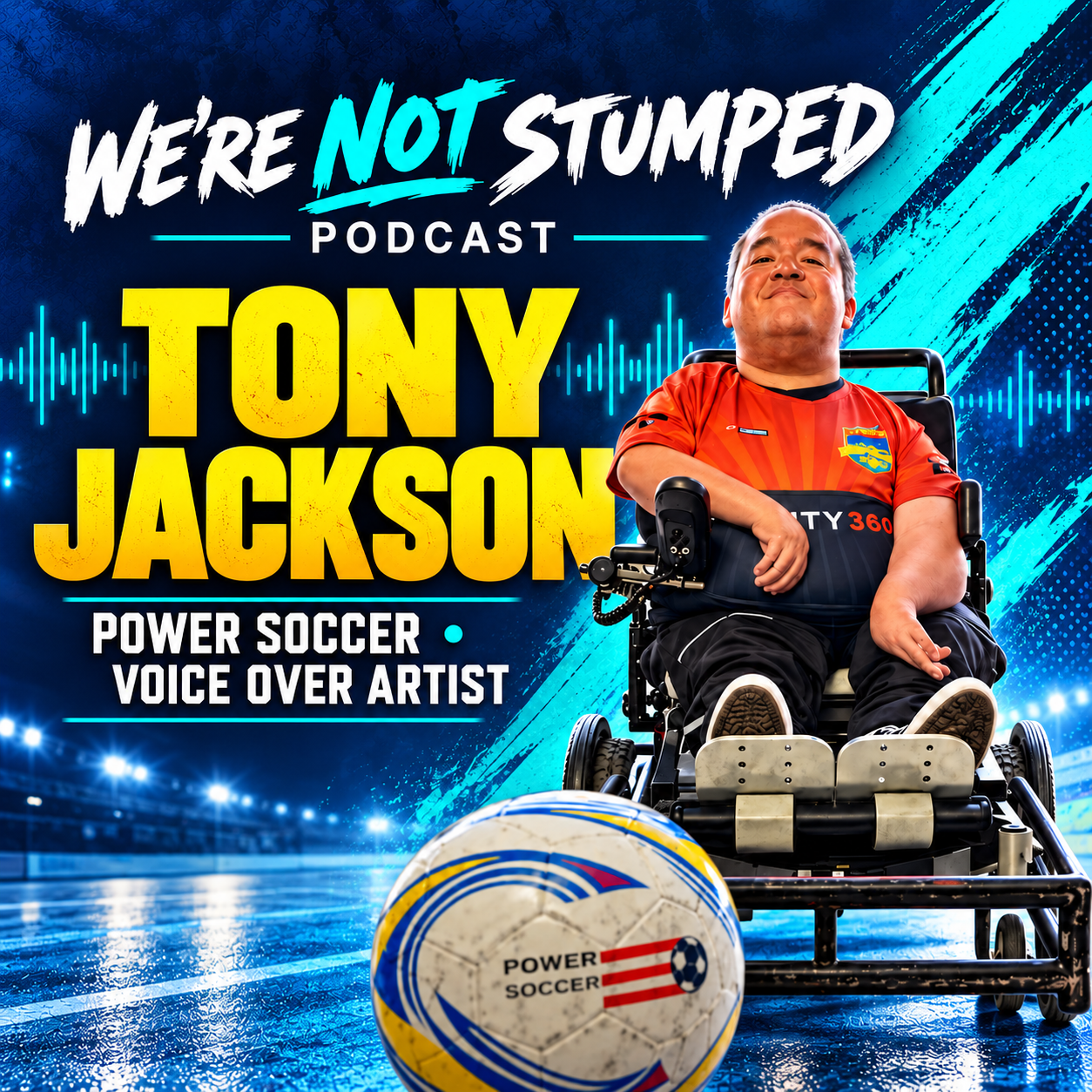
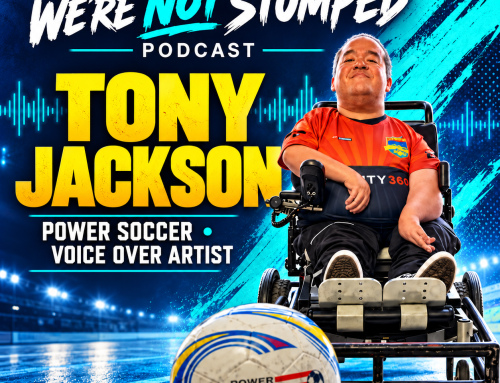
How can voiceover and adaptive sports create opportunities for people with disabilities? Phoenix-based voiceover artist Tony Jackson joins Mike Bolland on We’re Not Stumped to share his experiences behind the microphone and on the power soccer court. Tony serves as the Grant Coordinator and Power Soccer Coordinator at Ability360. We explore his path into voice acting, accessibility in casting, and how adaptive sports build teamwork, confidence, and a sense of belonging.