In this episode of the We’re Not Stumped, we sit down with Kelly J. Mendenhall—an accomplished author, speaker, and advocate—to explore her transformative journey from a thriving career in nonprofit fundraising to becoming a disabled entrepreneur and patient advocate. Diagnosed with rare spinal cord conditions in 2017, Kelly faced a medical mystery that led her to redefine her life and purpose.
Kelly shares her experiences navigating the healthcare system, the challenges of living with invisible disabilities, and how she channeled her struggles into writing and advocacy. Her memoir, “Skin in the Game: The Stories My Tattoos Tell,” delves into her personal narrative, offering insights into resilience and self-discovery.
Kelly’s dedication to empowering others is evident in her efforts to raise awareness about chronic pain, mental health, and the importance of patient-centered care.
Join us for an inspiring conversation that highlights the power of storytelling, the importance of self-advocacy, and the resilience of the human spirit. Whether you’re interested in personal development, healthcare advocacy, or the art of memoir writing, this episode offers valuable insights and motivation.
Key Topics:
- Kelly’s transition from nonprofit fundraising to becoming a disabled entrepreneur
- Navigating the complexities of rare spinal cord conditions and chronic pain
- The inspiration behind her memoir, “Skin in the Game: The Stories My Tattoos Tell”
- Strategies for self-advocacy within the healthcare system
Don’t miss this episode filled with wisdom, courage, and actionable advice for anyone facing life’s unexpected challenges.
Connect with Kelly J. Mendenhall:
Website: kellyjmendenhall.com
Subscribe to Our Podcast: https://werenotstumped.com/were-not-stumped-amputee-podcast-mailing-list/
Stay updated with our latest episodes by subscribing and hitting the notification bell. If you enjoyed this conversation, please leave a review and share it with your network. Your support helps us bring more inspiring stories to light.
Disclaimer:
The content of this podcast is for informational purposes only and should not be considered medical advice. Consult with a healthcare professional for medical concerns.
Listen on Apple Podcasts
Watch on YouTube
Listen on Spotify
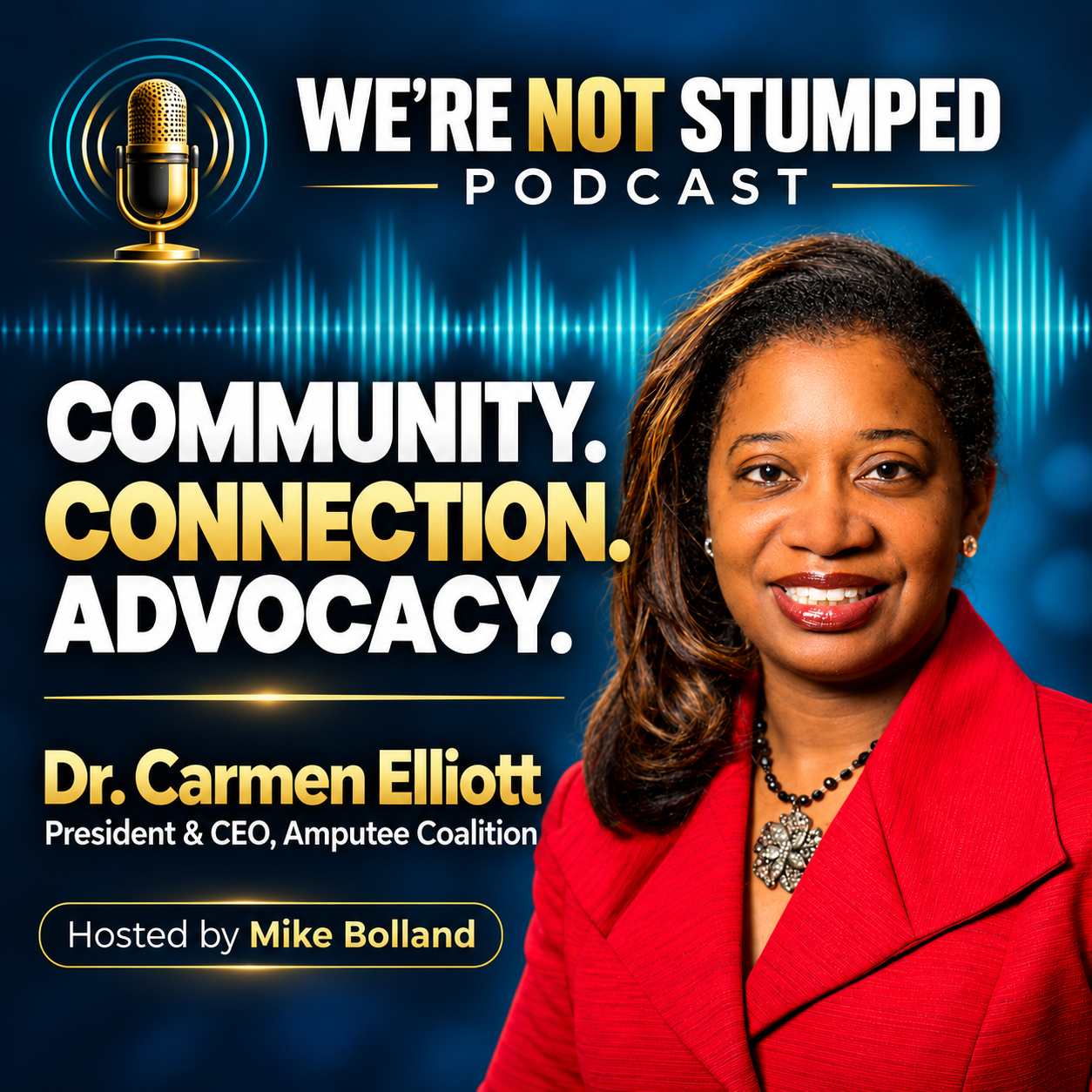
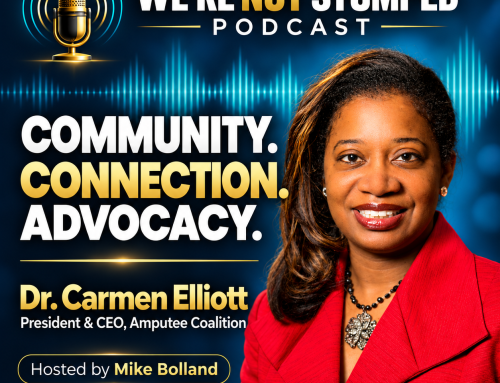
Dr. Carmen Elliott, the new President and CEO of the Amputee Coalition, joins Mike Bolland for a conversation about community, advocacy, and helping people with limb loss and limb difference find the support they need. Carmen shares how her family’s experiences with healthcare access and limb loss shaped her commitment to this work. Together, they explore the value of peer support, access to prosthetics, and including families and caregivers in the conversation. They also discuss support groups, certified peer visitors, AC Connect, and the upcoming “Fireside Connections” conference.
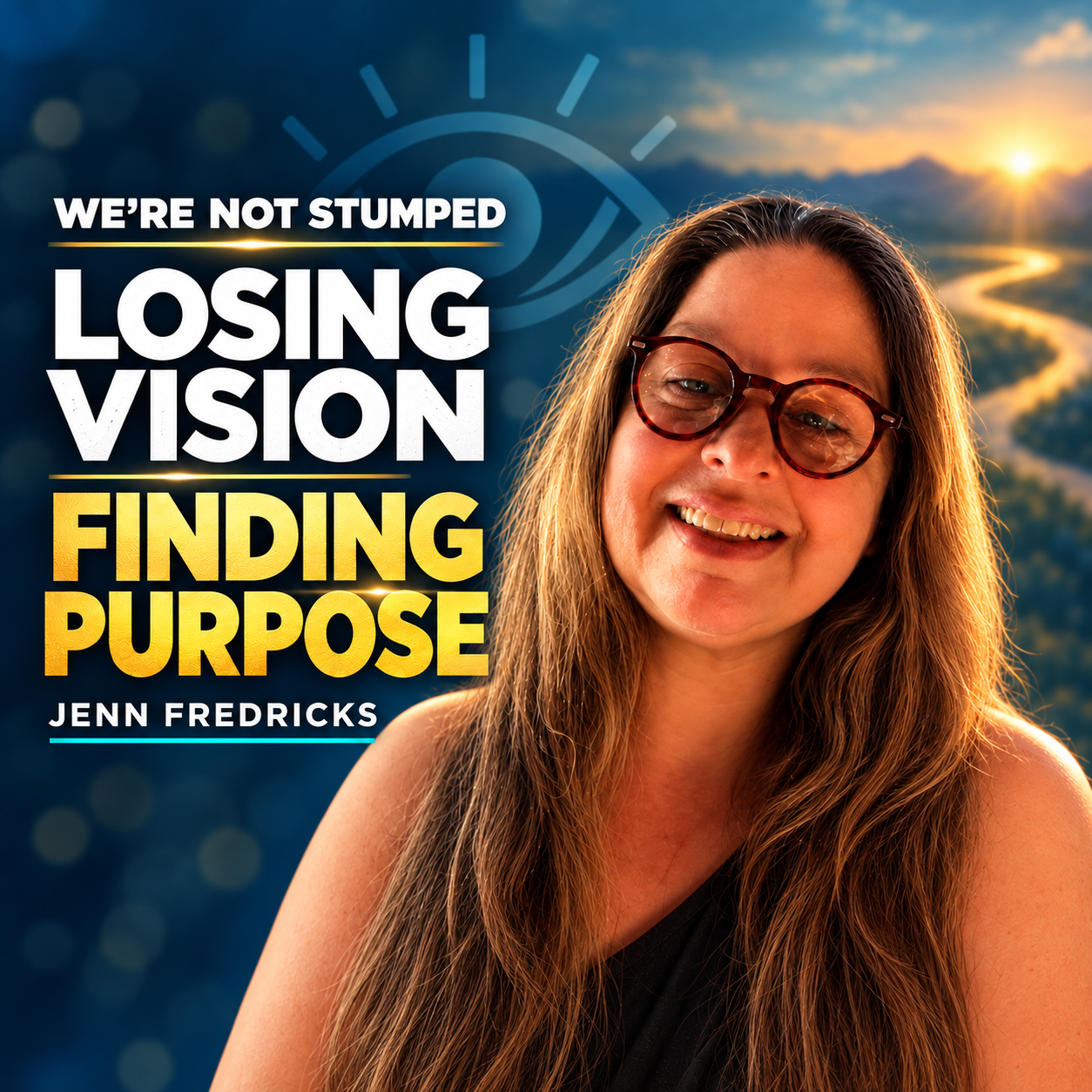
How do you move forward when vision loss changes your career, independence, and plans for the future? In this episode of We’re Not Stumped, Mike Bolland speaks with Jennifer Frederick about living with permanent vision loss and learning to advocate for herself along the way. Jennifer explains how changes in her vision eventually forced her to leave a career in crisis management. She also discusses the challenges she now faces while looking for work, including interview practices that have left her questioning whether she is being treated fairly as a person with a disability. The conversation explores Jenn’s decision not to undergo surgery for her detached retinas, the importance of seeking medical attention when your vision changes, and the need to take ownership of your healthcare.
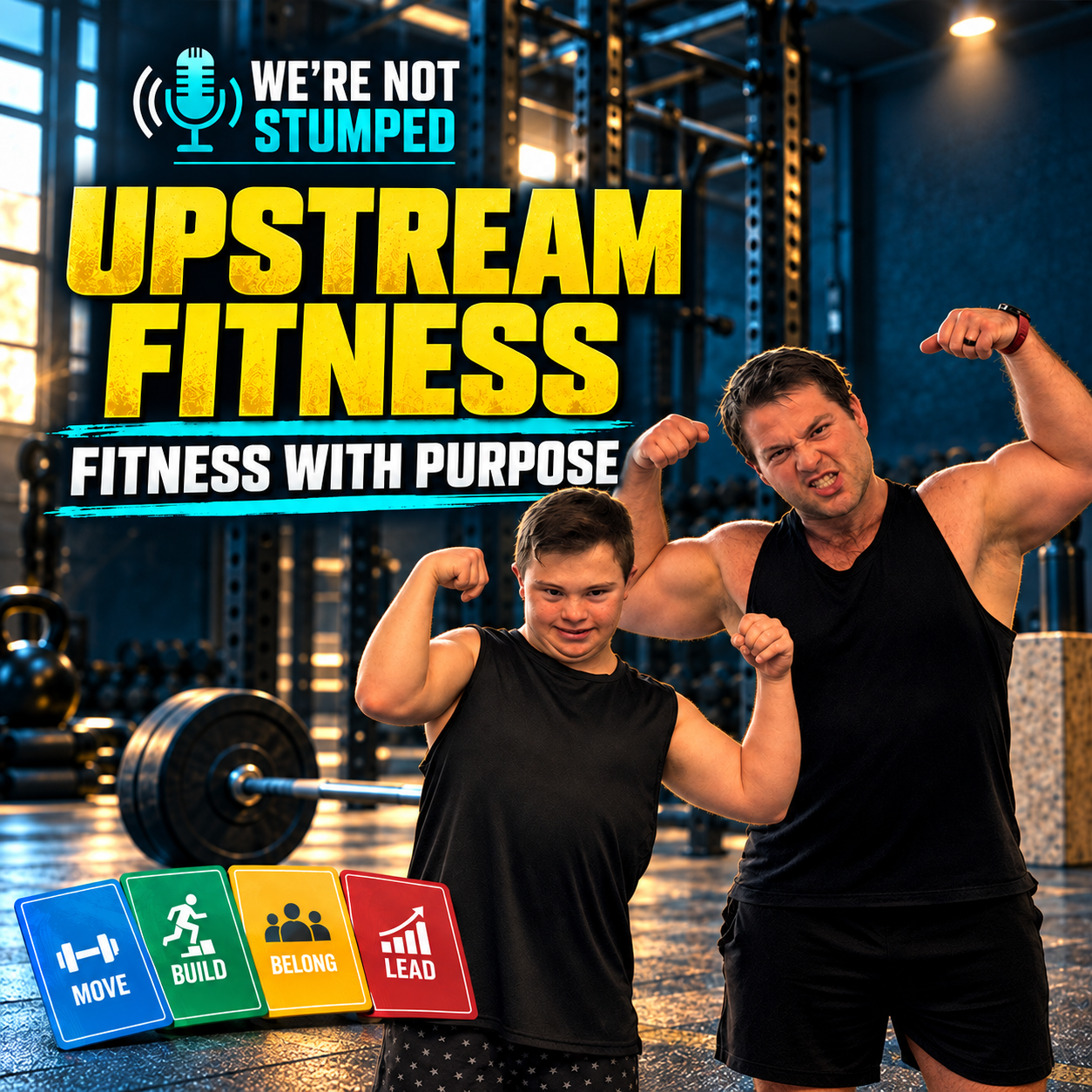
What happens when we stop deciding what someone is capable of—and give them the opportunity to lead? In this episode of We’re Not Stumped, Mike Bolland speaks with Nathan Kennedy of Upstream Fitness, Chris Kocurek, and Chris’s son, Coach Cameron “Coach Cam” Kocurek. Cameron, who has Down syndrome, began gymnastics as a child and went on to compete through Special Olympics and unified gymnastics. Today, he is using the confidence and skills he developed as an athlete to help coach others at Upstream Fitness. Nathan explains how Upstream Fitness uses movement, games, coaching cards, and step-by-step instruction to make exercise accessible for people with intellectual and developmental disabilities. Chris shares Cameron’s journey from athlete to assistant PE coach—and now toward meaningful employment and greater independence.