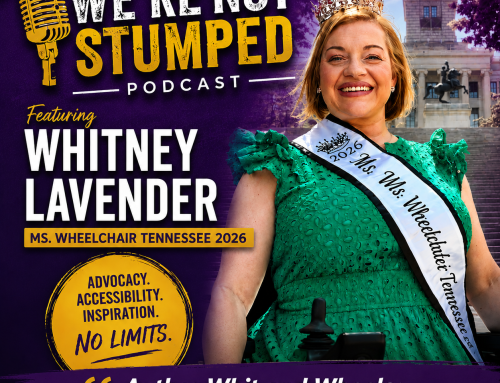
What happens when life changes in an instant—and you have to decide whether it defines you… or whether you redefine it?
In this episode of We’re Not Stumped, host Mike Bolland sits down with Travis Sanders — master barber, entrepreneur, author, peer mentor, and above-knee amputee whose story is rooted in resilience, mindset, and purpose.
After blood clots led to multiple surgeries and ultimately limb loss, Travis was forced to confront a completely different future. But instead of allowing that moment to define him, he made a powerful decision: He would redefine it.
Just days after leaving the hospital, Travis returned to cutting hair — a moment that perfectly captures the determination and mindset that now fuels his mission to help others.
Mike and Travis discuss:
- The mental and emotional battle during recovery
- Returning to work immediately after surgery
- His new book, Path of Resilience Journal
- The importance of peer mentoring and support groups
- Helping amputees rebuild confidence and purpose
- Why mindset and community matter after trauma
Today, Travis mentors fellow amputees through hospital visits, support groups, and encouragement rooted in lived experience — proving that resilience is something built one day at a time.
🔗 Connect & Learn More
📍 Hair by Travis Sanders: https://www.haircutsbytravis.com/
📘 Path of Resilience Journal: https://a.co/d/00avjtCT
🌐 Instagram: @resilience_forge
🌐 Enable Review: Real reviews for prosthetic care: https://enablereview.com/
Subscribe to We’re Not Stumped for more real stories from the limb loss and disability community.
Listen on Apple Podcasts
Watch on YouTube
Listen on iHeart
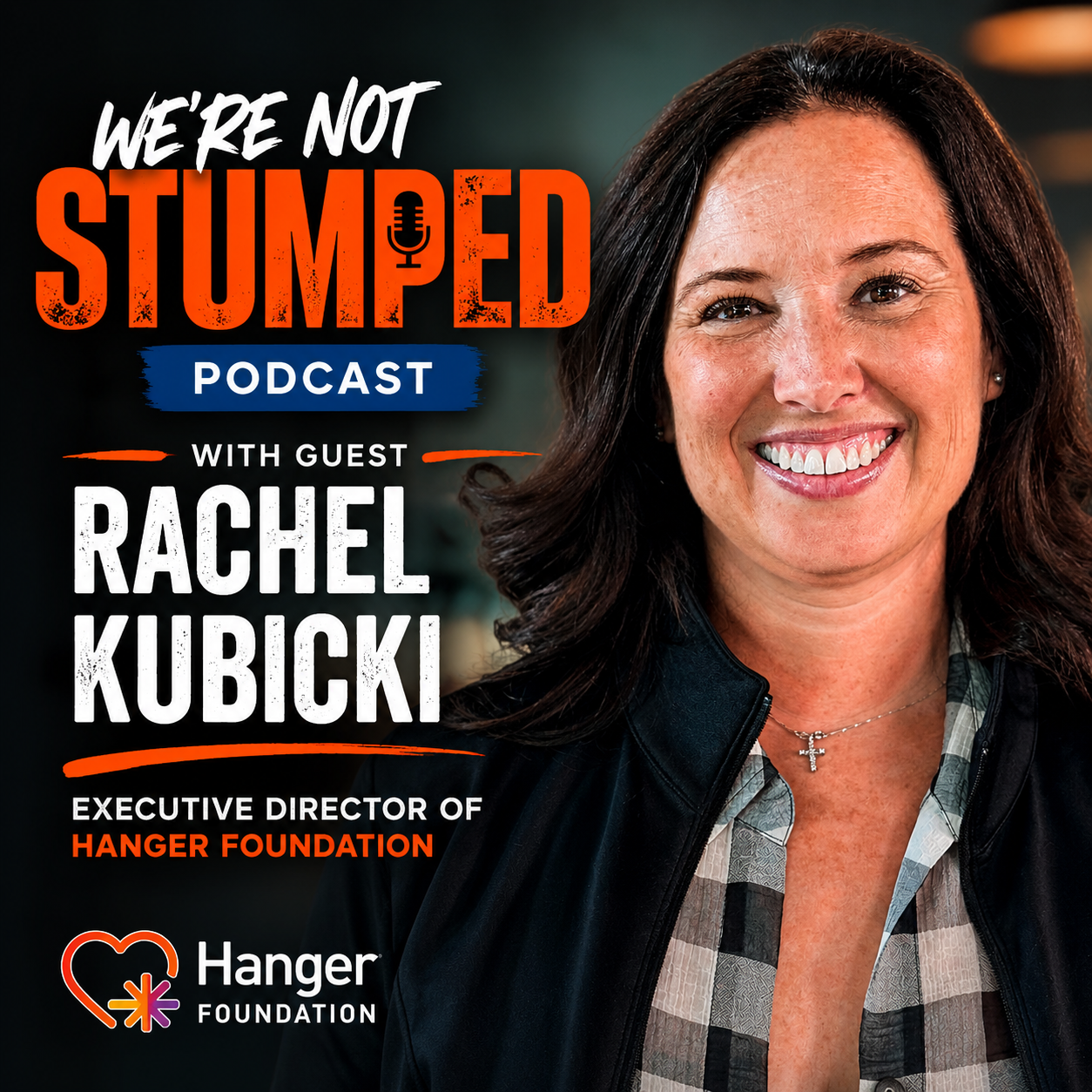
Rachel Kubicki, Executive Director of the Hanger Foundation, joins Mike Bolland to discuss the organization's mission of empowering people with physical challenges to live life as fully as possible. With more than 20 years of nonprofit leadership experience, Rachel shares how the Foundation has expanded its impact through scholarships, nonprofit grants, community events, and innovative fundraising efforts. She discusses Move to Inspire, EmpowerFest, and the upcoming Night to Inspire event in Nashville, all designed to create opportunities, build connections, and inspire achievement within the limb loss and limb difference community. Rachel also shares powerful stories of individuals who have overcome obstacles, reached unexpected milestones, and discovered the life-changing value of community support.
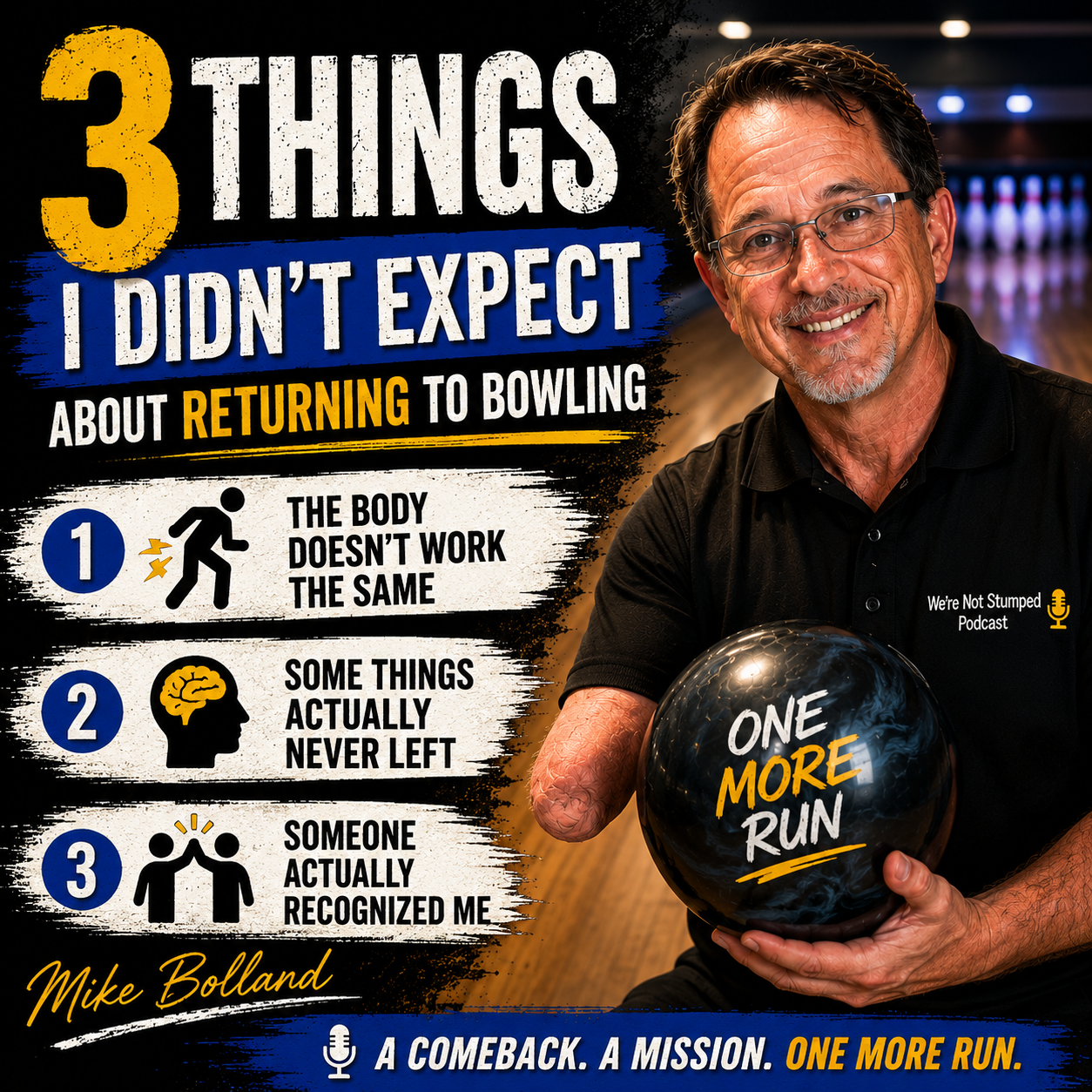
After more than 30 years away from competitive bowling, I’m discovering that some things have changed—and some things haven’t. In this solo episode of We’re Not Stumped, I share three things that surprised me as I prepare for my return to competition at the 2026 PBA60 World Championship. The body doesn’t work quite the same at 61. Some instincts and memories never really leave. And one unexpected encounter reminded me that people still remember my days on the PBA Tour. This episode isn’t about scores or equipment. It’s about rediscovering a part of my life I thought was behind me and finding out what’s still possible when you decide to take one more run. As the first person with limb loss to compete on the PBA Tour, I hope this conversation encourages you to revisit a dream, try something again, or simply remember that it’s never too late to surprise yourself.
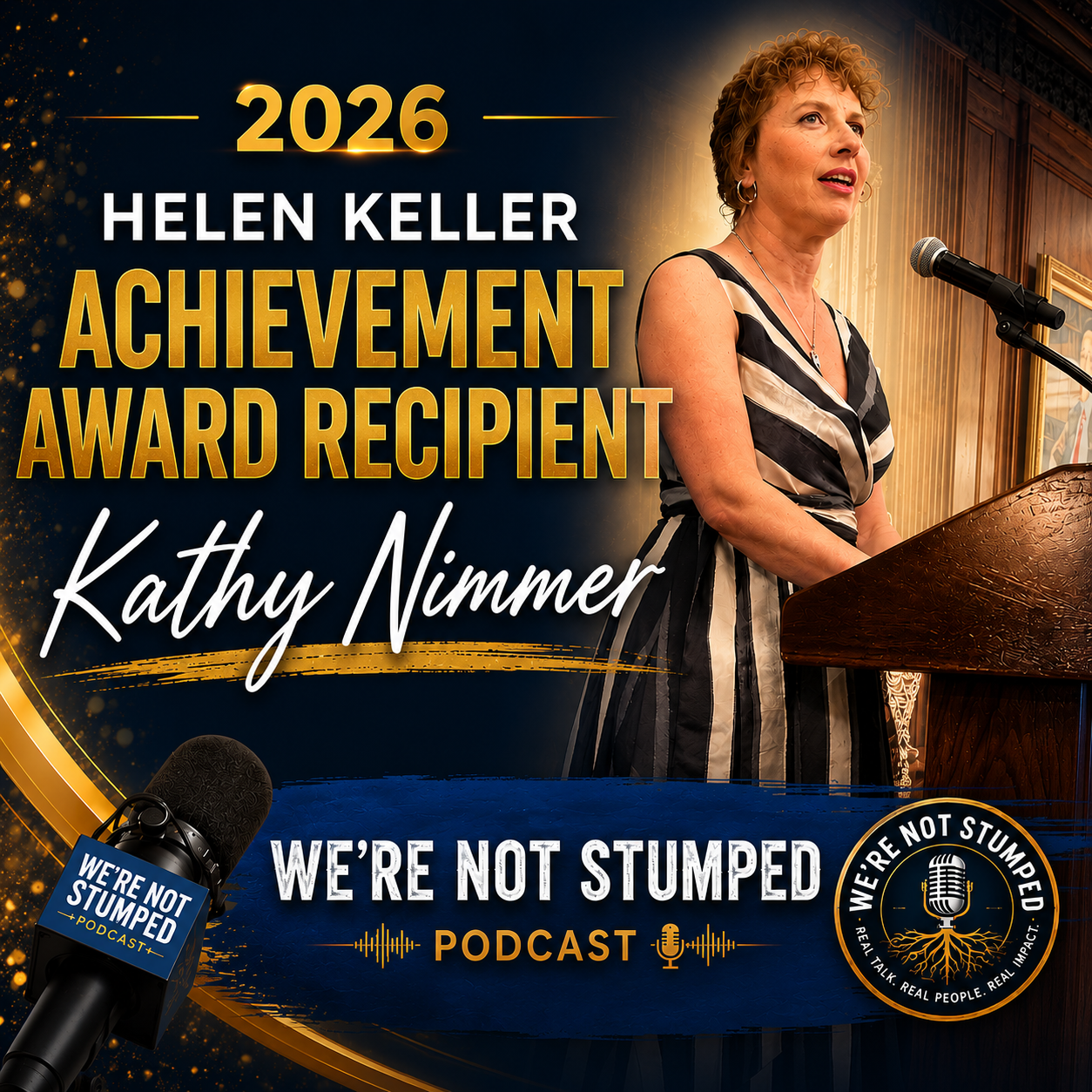
What happens when you begin losing your vision as a child—and refuse to let it define your future? In this inspiring episode of We're Not Stumped, host Mike Bolland welcomes Kathy Nimmer, recipient of the prestigious Helen Keller Achievement Award, author, speaker, and retired high school English teacher who spent nearly three decades educating and inspiring students while living with blindness. Kathy shares her remarkable journey of progressive vision loss caused by a rare retinal degenerative disease, the challenges she faced along the way, and the resilience that helped her build a life filled with purpose, achievement, and impact.