
Welcome back to the “We’re Not Stumped” podcast! Host Mike Bolland introduces an exceptionally inspiring guest, Jonathan Cowley. Jonathan’s story is a profound example of resilience and determination in the face of formidable challenges.
Jonathan’s journey began in early 2013 when he discovered a small lump on his right hand. With a young child at home, bumps and scrapes were commonplace, so initially, neither Jonathan nor his doctor thought it was a cause for concern. However, a few months later, while on a family cruise, the lump became a significant issue. What started as minor discomfort evolved into severe pain, and the lump turned discolored, clearly signaling something was wrong.
Following this alarming development, Jonathan went through numerous doctor visits and medical tests. The results were unexpected and devastating: Jonathan was diagnosed with a rare form of cancer, with only about 20 cases reported annually in the United States. This diagnosis led to a series of surgeries, but despite the efforts, the only feasible option was to amputate his right hand above the wrist, just five months after returning from the cruise.
Undeterred by this life-changing event, Jonathan immersed himself in rehabilitation and was soon fitted with a prosthetic hand. Unfortunately, the prosthetic was uncomfortable and did not fit well. Jonathan faced the difficult choice of whether to persevere with the prosthetic or adapt to life without it.
Today, Jonathan joins the podcast to share more about his journey, the challenges he overcame, and how he transformed his story into one of triumph. The conversation will explore his experiences with prosthetics, his recovery, and how he navigates life post-amputation.
Jonathan, welcome to the show!
Listen on Apple Podcasts
Watch on YouTube
Listen on Spotify
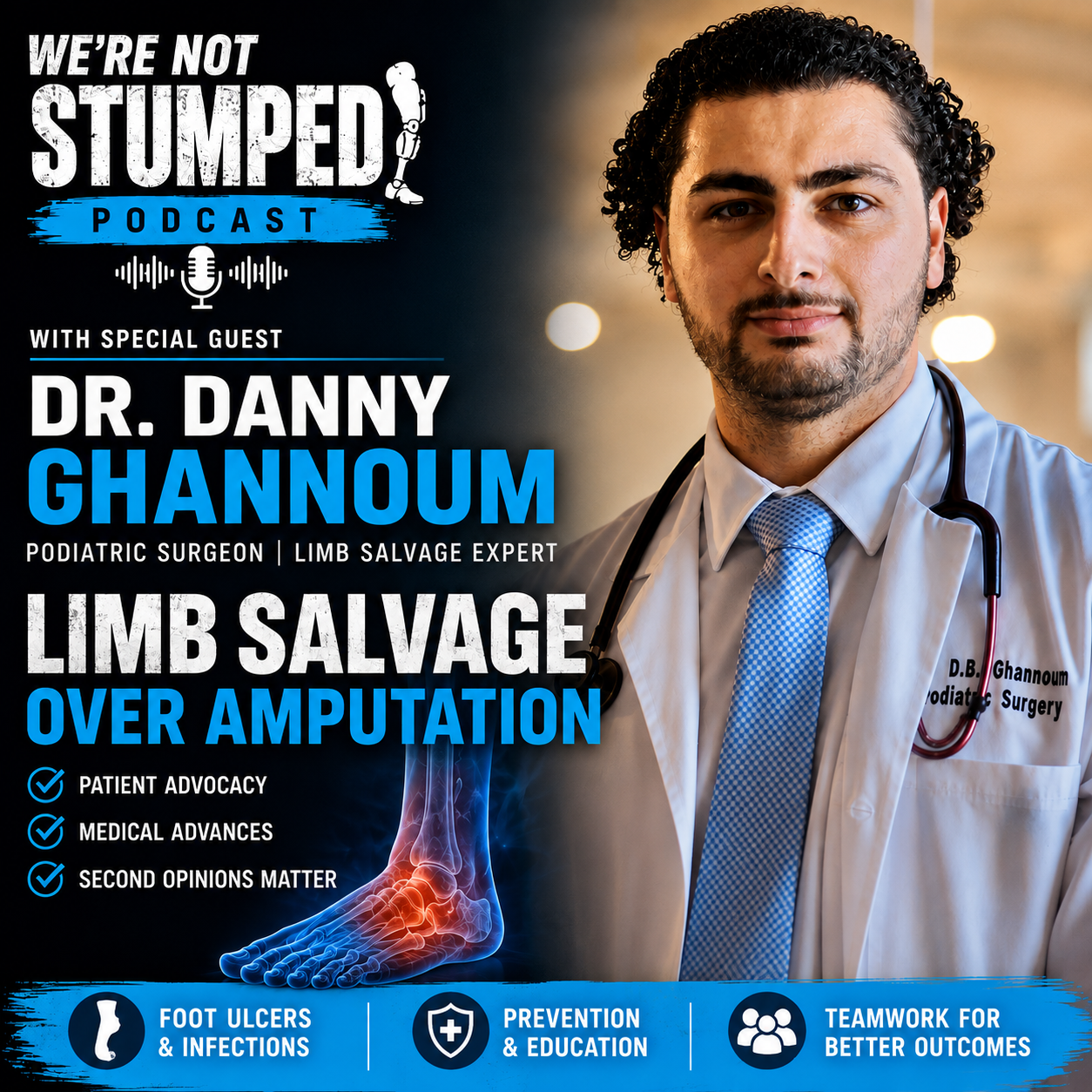
When should a limb be saved—and when might amputation provide a better quality of life? On this episode of We’re Not Stumped, Mike Bolland talks with podiatric surgeon Dr. Danny Ghannoum about limb salvage, diabetic foot complications, Charcot neuroarthropathy, bone infections, and the difficult decisions that can lead to lower-limb amputation. Dr. Ghannoum explains how diabetes, peripheral neuropathy, poor circulation, foot ulcers, and osteomyelitis can put a limb at risk. He also shares complex patient cases that illustrate an important point: saving a limb isn't always the same as achieving the best outcome for the patient.
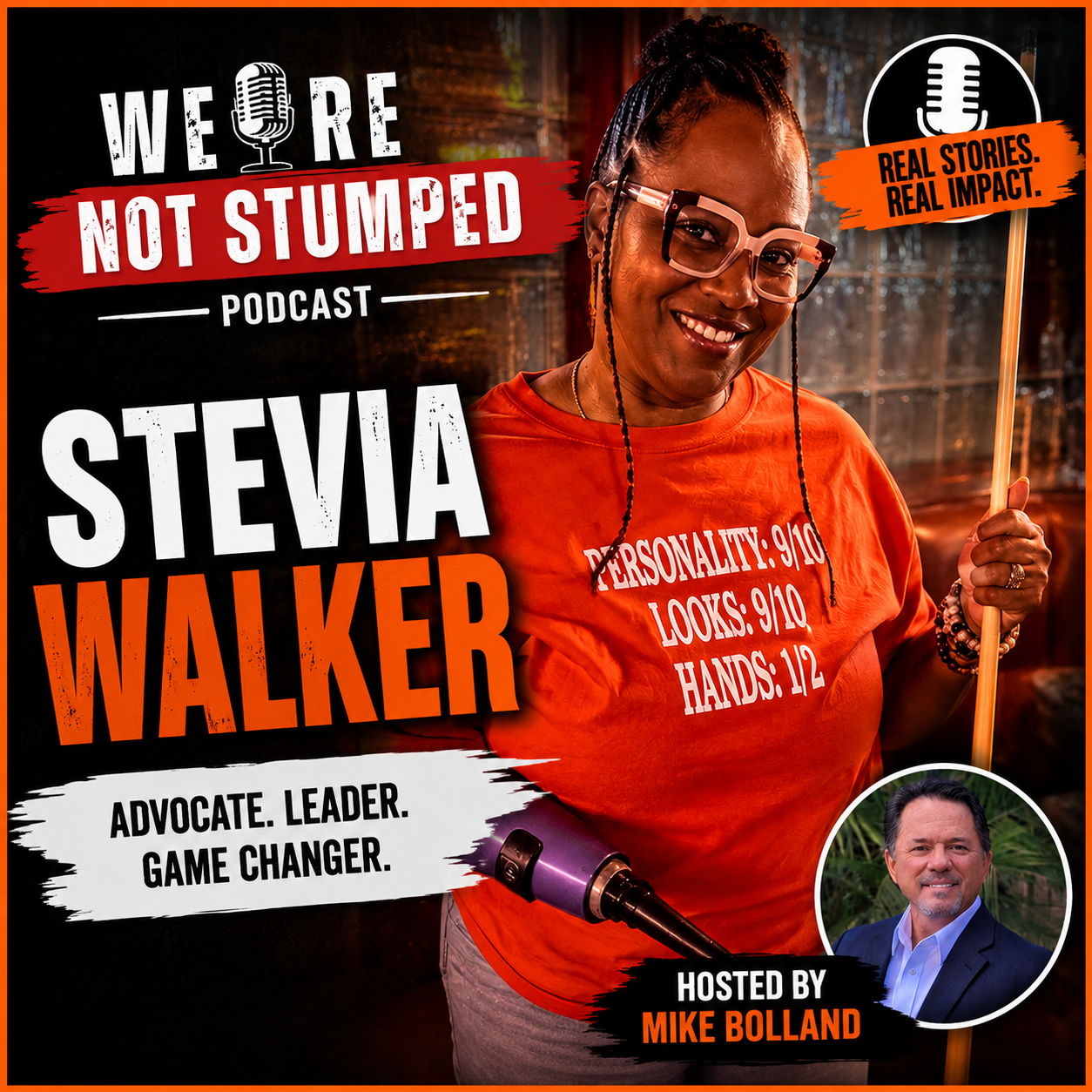
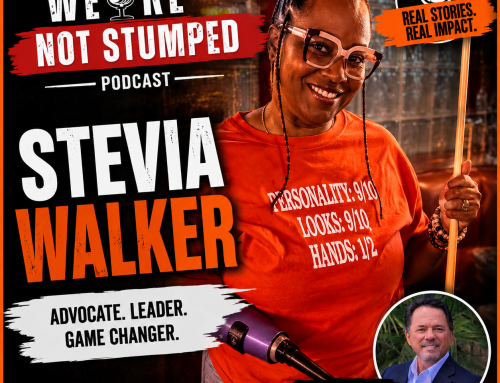
What are you actually allowed to ask someone with a service dog? Do service dogs need paperwork? And what happens when businesses get the rules wrong? In this episode of We’re Not Stumped, Mike Bolland talks with upper-limb amputee Stevia Walker about service animals, disability, prosthetics, self-advocacy, and life after limb loss. Stevia shares an encounter at a hotel where employees demanded documentation for her service dog and incorrectly assumed the dog was an emotional support animal. She discusses what people and businesses should understand about service animals and why these interactions matter.
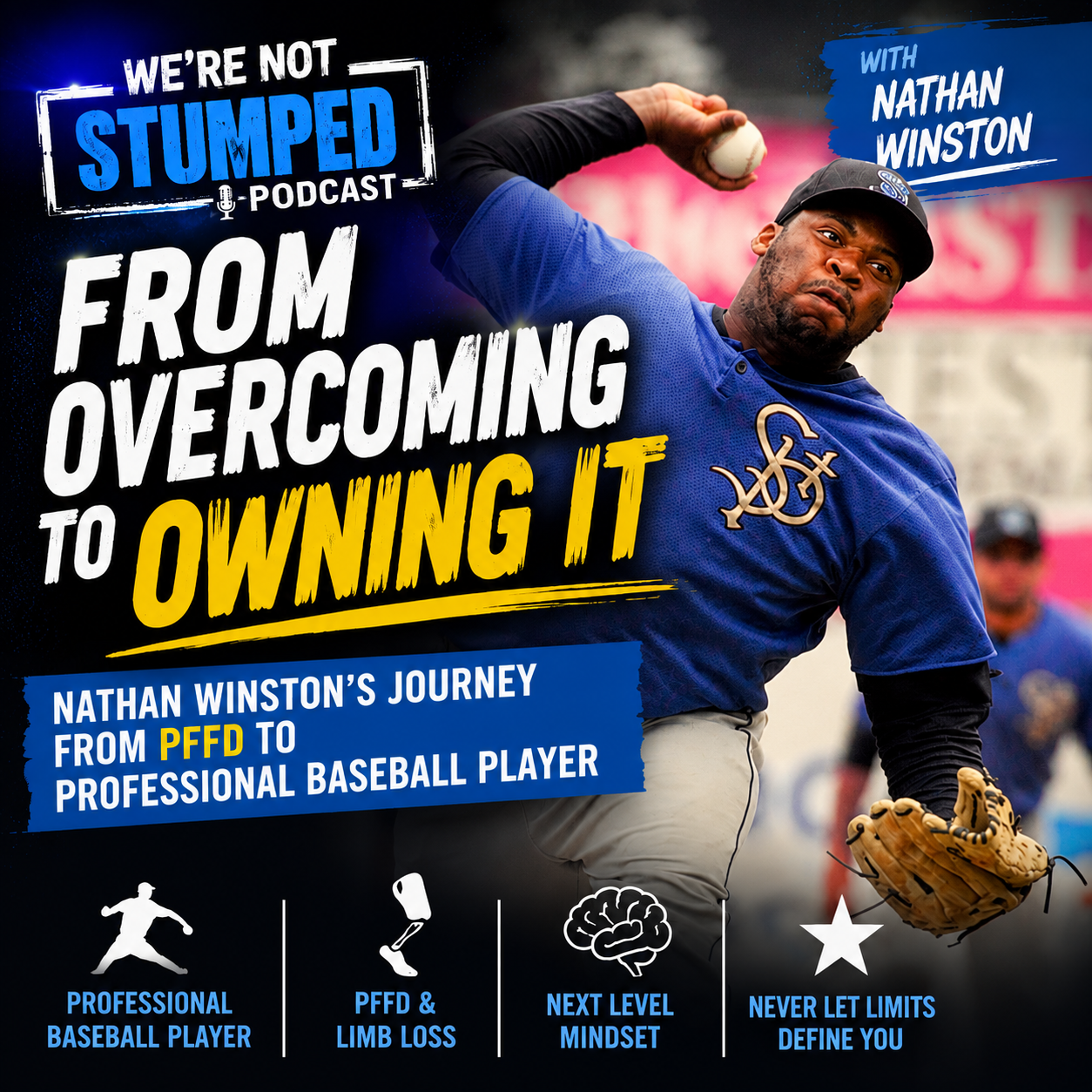
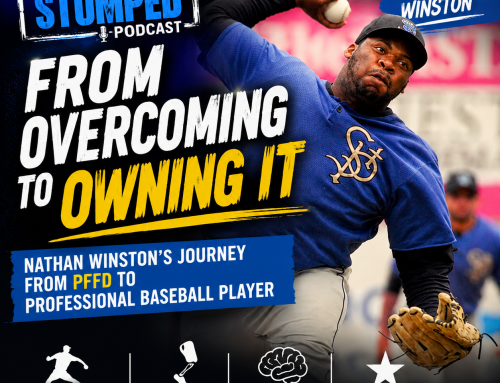
What does it take to overcome a challenge you've faced since birth? In this episode of We're Not Stumped, Mike Bolland welcomes Nathan Winston, who was born with Proximal Femoral Focal Deficiency (PFFD), a rare limb difference that led to the amputation of his left leg at the age of four. Nathan shares his incredible journey from adapting to life with a prosthetic to excelling in football, basketball, and baseball. His determination eventually carried him to the Little League World Series and into the ranks of professional baseball. Along the way, Nathan reflects on the challenges he faced, the resilience he developed, and the mindset that helped him keep moving forward—even when the path wasn't easy.
Leave A Comment