In this deeply moving episode of We’re Not Stumped, host Mike Bolland welcomes Scott Martin, a bilateral hand amputee, soccer coach, and author of the upcoming memoir Play From Your Heart. Scott opens up about the life-altering infection in 1993 that led to the loss of both hands and parts of his feet, and the emotional aftermath that followed. He speaks honestly about denial, detachment, and the five-year struggle with depression that tested his identity, confidence, and purpose.
Despite unimaginable challenges, Scott refused to step away from the game he loved. He continued coaching soccer using adaptive equipment, determination, humor, and grit—doing everything he could to show up for his players while still processing his trauma internally. Eventually, his journey intersected with advanced prosthetics research, leading him to Johns Hopkins to test cutting-edge myoelectric prosthetic technology. Scott offers powerful insight into what works, what doesn’t, and why technology must always stay grounded in real human needs.
Scott also shares the emotional turning points that helped him heal, including his mother’s unwavering encouragement and the mindset shift that allowed him to rebuild his life. His story eventually led him back to the soccer field, where he coached a youth team to a state championship and rediscovered purpose, leadership, and community. That experience inspired his book, Play From Your Heart, which speaks to the disability community, the soccer world, and anyone who has ever had to rebuild life after loss.
This conversation is about resilience, identity, mental health, disability advocacy, and what it truly means to adapt and keep moving forward. Scott reminds us that healing takes time, purpose can look different than we imagined, and strength often shows up when we need it most.
If you’re part of the amputee or limb difference community, a caregiver, an athlete, or someone navigating your own life challenges, Scott Martin’s story will stay with you long after you listen.
Listen on Apple Podcasts
Watch on YouTube
Listen on Spotify
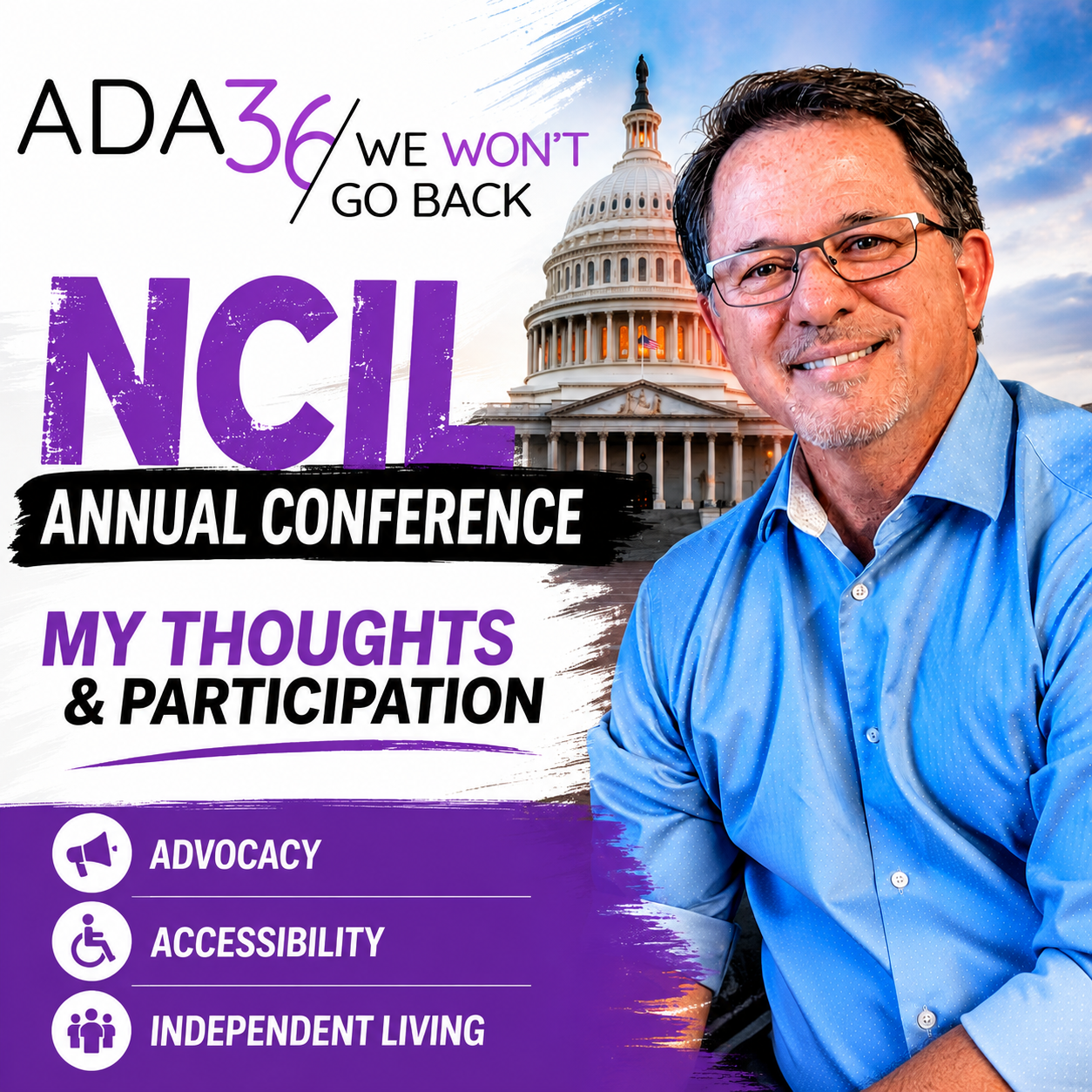
What happens when disability advocates from across the country come together to shape the future of independent living and accessibility? In this solo episode of We're Not Stumped, I share my personal reflections after attending the National Council on Independent Living (NCIL) Annual Conference in Washington, D.C., where I represented Ability360 as a member of its Board of Directors. From celebrating ADA36: We Won't Go Back to hearing powerful stories from advocates, policymakers, and leaders in the disability community, the conference reinforced why protecting and advancing disability rights remains so important.
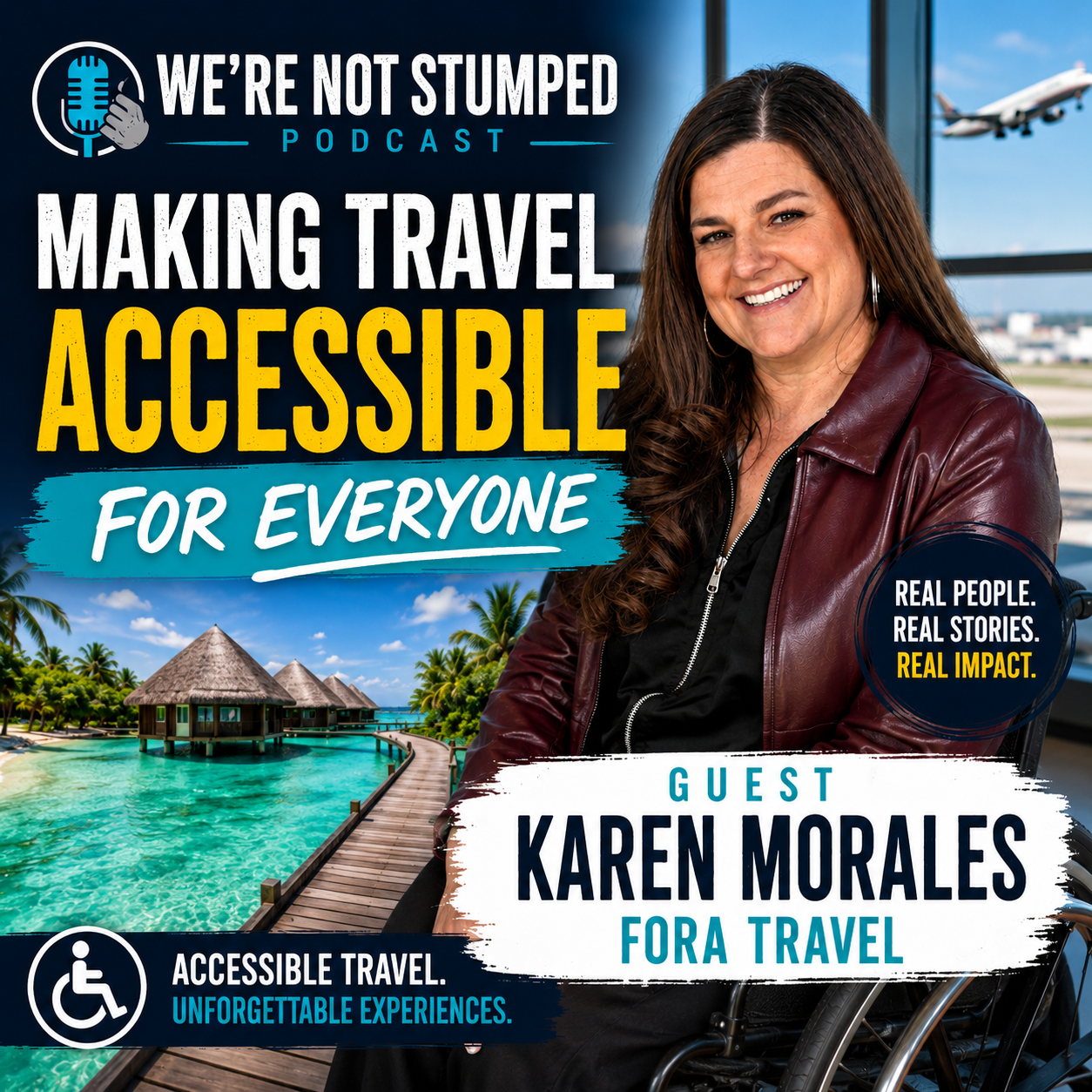
In this episode of We're Not Stumped, Mike Bolland sits down with Karen Morales, a wheelchair user and leader of Fora Travel's Accessibility Initiative, to discuss how the travel industry can become more inclusive for everyone. After becoming a wheelchair user in 2020, Karen quickly discovered that planning an accessible trip often meant endless phone calls, unanswered questions, and uncertainty about whether hotels, transportation, and attractions would truly meet her needs. Rather than accepting those challenges, she helped create an initiative that's training hundreds of travel advisors to better serve travelers with disabilities and other accessibility needs.
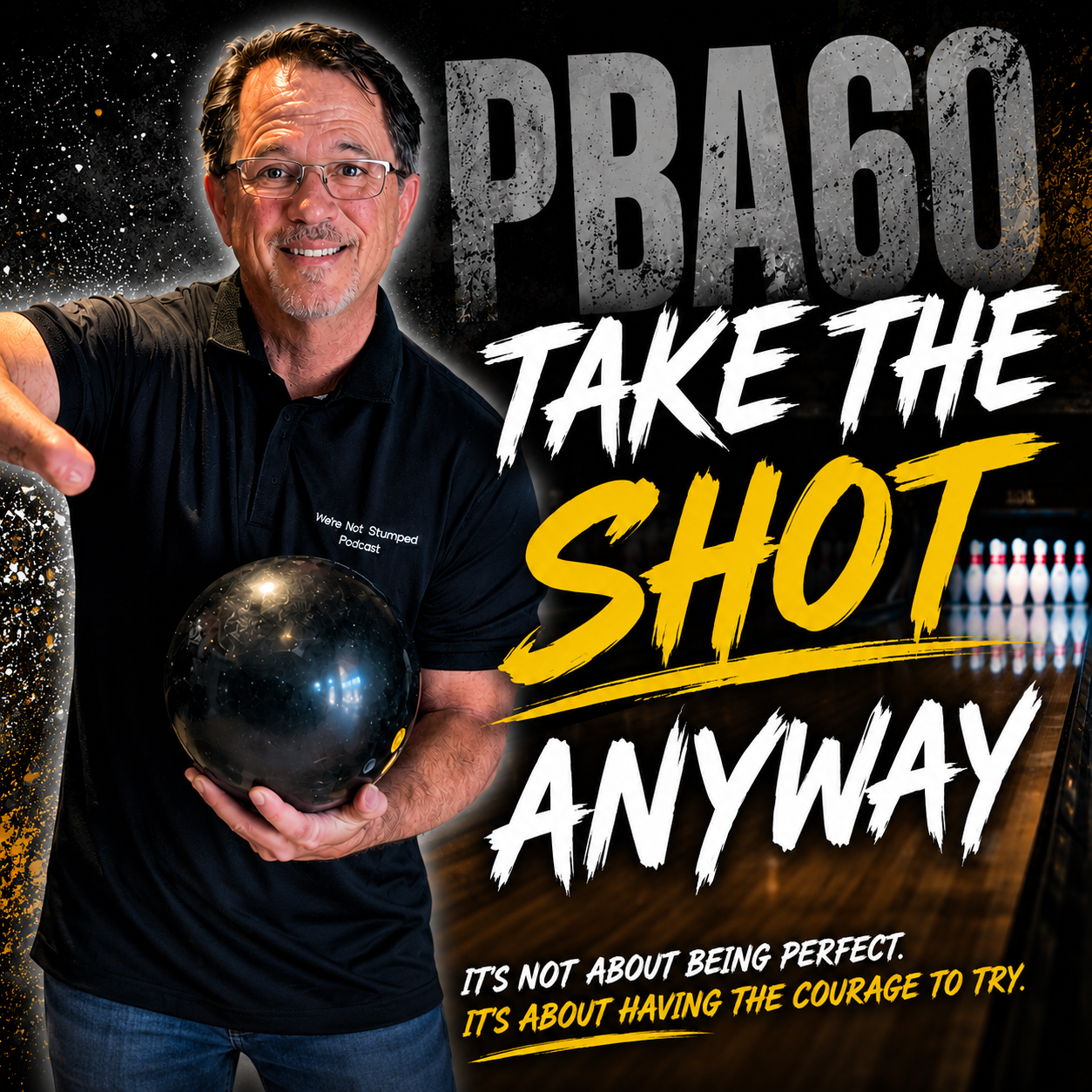
What if success isn't measured by where you finish—but by having the courage to start? After more than 35 years away from professional bowling, I returned to compete in the PBA60 World Series of Bowling at age 61. I knew the odds weren't in my favor. My body had changed. The equipment had changed. The competition had changed. But this episode isn't really about bowling. It's about the voice inside all of us that says we're too old, too late, or not good enough to chase something that matters. In this solo episode of We're Not Stumped, I share the emotions behind my comeback, the challenges I faced on the lanes, and the unexpected lesson that came from finishing far below where I had hoped. That lesson became a phrase I can't stop thinking about: Take the Shot Anyway. Because you don't need the perfect hand. You just need the courage to use the one you've been dealt.