Stacy and Courtney Walker are proving that teamwork knows no limits.
As the only known mother-daughter duo in wheelchair power soccer, they proudly represent Arizona Heat Power Soccer—competing, training, and pushing boundaries together on and off the court.
Their journey is about more than just the game. It’s about resilience, family, and the power of adaptive sports to change lives.
On this episode of We’re Not Stumped, host Mike Bolland sits down with Stacy and Courtney to share their story—how they got involved in power soccer, what it’s like competing side by side, and what being part of Arizona Heat Power Soccer truly means.
Now, they’re working toward their next big goal: competing at Power Soccer Nationals.
But getting there takes more than determination—it takes community.
Your support helps cover travel, lodging, and competition costs for athletes representing Arizona Heat Power Soccer on the national stage. Every contribution helps create opportunities for athletes to compete, grow, and inspire others.
Arizona Heat Power Soccer, through Arizona Disabled Sports, is more than just a team. It’s a community built on confidence, independence, and inclusion—where athletes redefine what’s possible every single day.
👉 Join us in supporting Stacy, Courtney, and their teammates on their journey to Nationals. https://www.gofundme.com/f/empower-disabled-athletes-with-your-support
Listen on Apple Podcasts
Watch on YouTube
Listen on Spotify
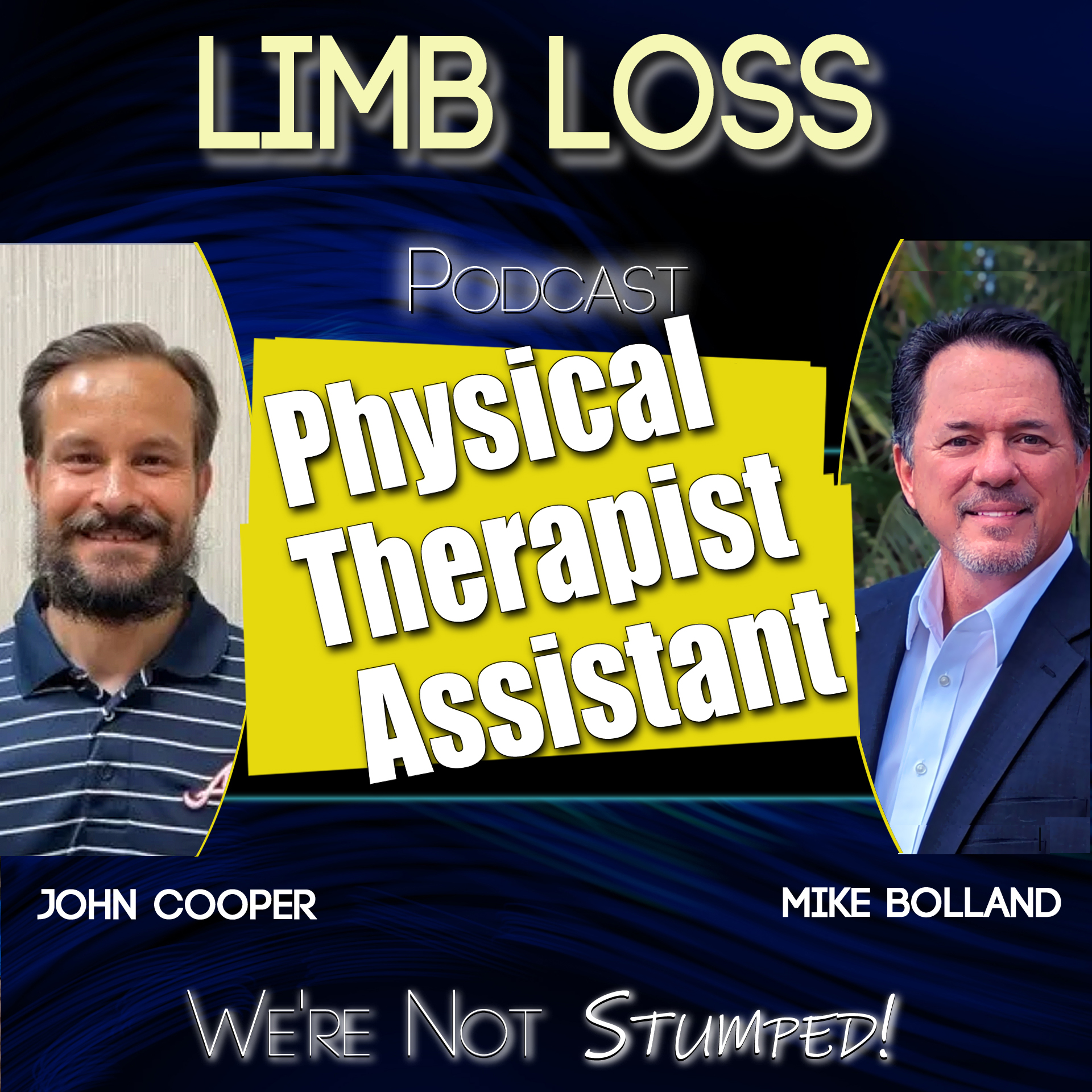
In this inspiring episode of We’re Not Stumped, Mike talks with John Cooper, a physical therapist assistant with 18 years of experience, about his journey into physical therapy and his passion for working with lower-limb amputees. John shares how his grandfather’s recovery from brain surgery sparked his career, and how close collaboration with prosthetists helps him address the real-world challenges amputees face every day. He explains why patience matters in rehab, why quality beats quantity in therapy sessions, and how setbacks can become powerful turning points.
Mike Bolland shares the story behind Enable Review — a new community-powered platform created to help people with limb loss, limb difference, and caregivers find prosthetic, orthotic, and rehabilitation care they can trust. After hearing powerful stories from guests and listeners, Mike explains why real patient experiences matter — and how Enable Review puts those voices front and center. Enable Review isn’t about ads or marketing. It’s about lived experience. If you’ve worked with a prosthetist, orthotist, physical therapist, or rehab clinic, we invite you to be part of our early community. https://enablereview.com/
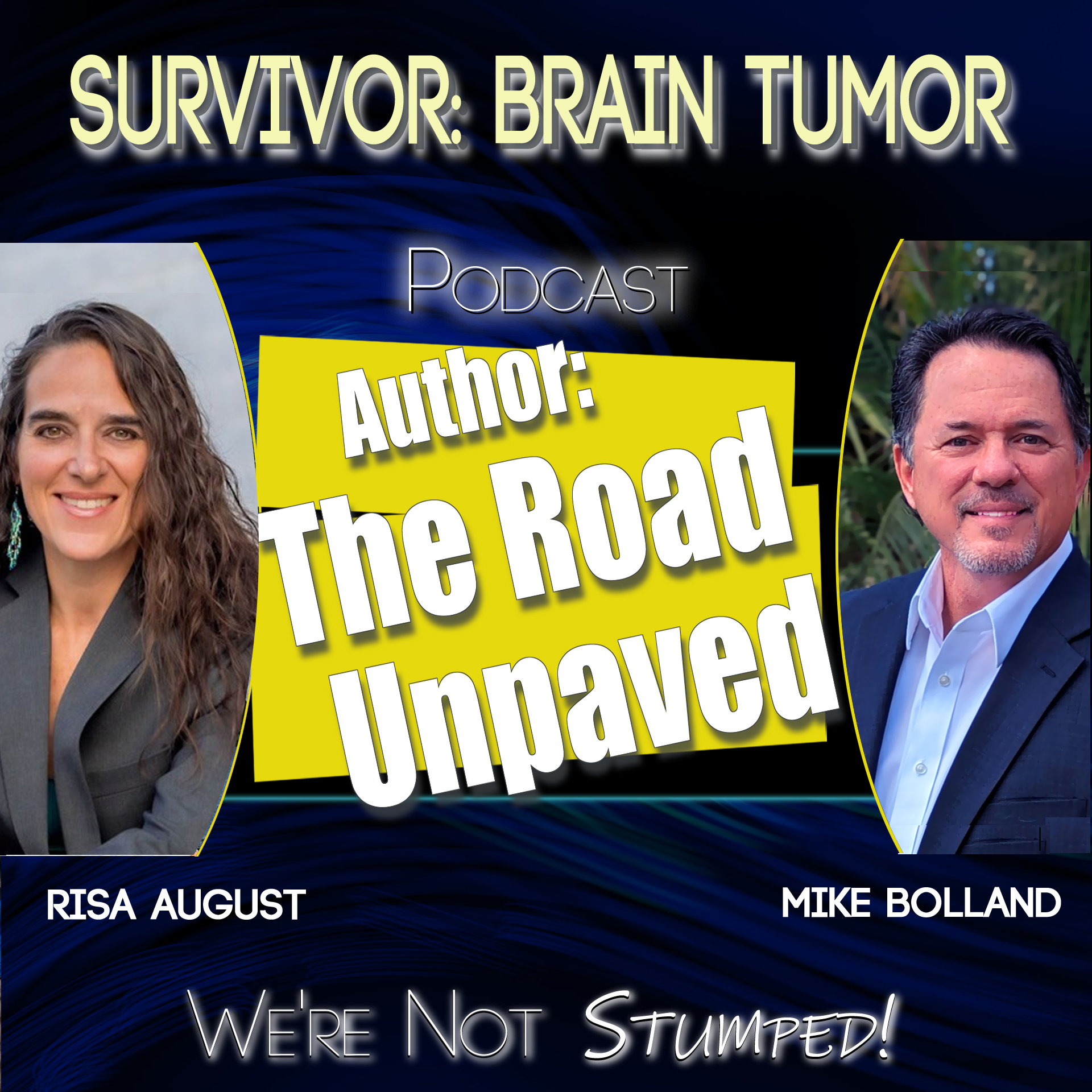
Host Mike Bolland sits down with Risa August — cancer survivor, author, patient advocate, and TEDx speaker — to talk about transforming adversity into impact. Risa shares her journey after being diagnosed with acromegaly, the life-altering treatments she endured, and how she rebuilt her life with courage, mindset, and purpose. From losing her identity to riding 1,845 miles from Canada to Mexico, Risa proves that resilience can create extraordinary new beginnings. This conversation is about more than survival — it’s about finding purpose, shifting your mindset, and helping others rise after life’s greatest challenges.