
In episode 4 of season 2, I get the pleasure of speaking to Wafa Lavelle.
Wafa was born in the Middle East in the country of Jordan. While her mother was pregnant with her, she became sick and had to take medication. Nothing was known at the time about the medication’s side effects on pregnancy, and this led to Wafa being born with birth defects. These included two club feet, legs that were bent to her thighs and hip dysplasia. Because of these birth defects, she was unable to walk and was only able to crawl until seven years of age.
At seventeen Wafa stepped on a nail, and this led to the amputation of one of her feet. With over sixty surgeries behind her and an unpleasant experience with a prosthetist, Wafa is now better than ever. She is a Certified Peer Visitor for the Amputee Coalition and was recently profiled on WCVB TV in Boston for all of the goodwill she offers to others.
Wafa talks about those experiences and more – including funny stories from her life – in this episode of the We’re not Stumped podcast.
Helpful links from this episode:
Hanger Clinic: https://hangerclinic.com/
Wafa in InMotion Magazine: https://www.amputee-coalition.org/inmotion_online/inmotion-29-06-web/10/
Wafa on WCVB TV: https://www.wcvb.com/article/5-for-good-quincy-woman-offers-peer-support-to-others-with-limb-loss-differences/43215101
Amputee Coalition: https://www.amputee-coalition.org/
Amputee Coalition Certified Peer Visitors: https://www.amputee-coalition.org/support-groups-peer-support/certified-peer-visitor-program/
Wafa on Instagram: https://www.instagram.com/wafahaddadlavelle/
#amputee #amputeestrong #Limbloss #prosthetics #prosthetic #staypositive
Watch on YouTube
Listen on Spotify
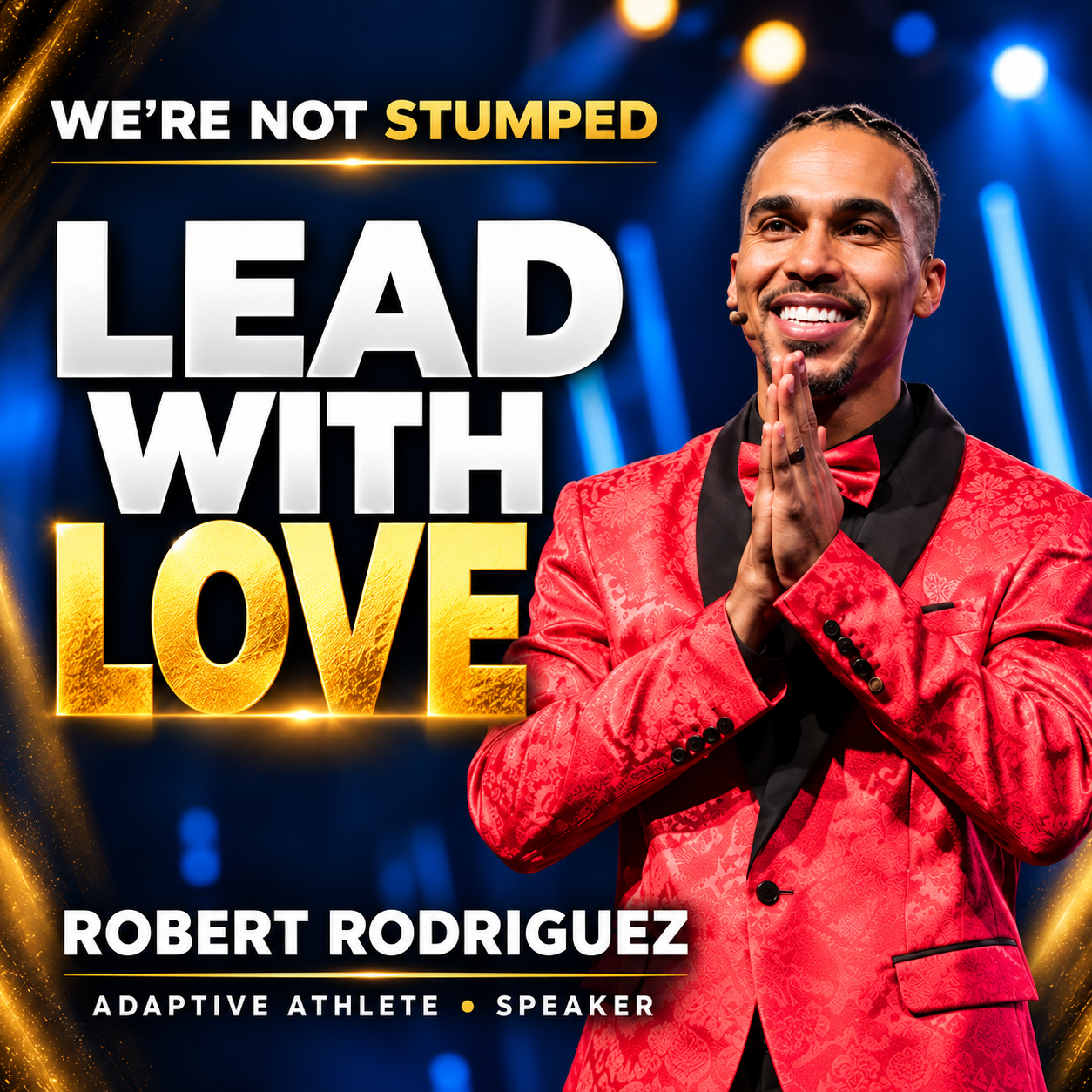
Adaptive athlete and motivational speaker Robert Rodriguez, also known as Robert Anthony, joins Mike Bolland on We’re Not Stumped for a conversation about growing up with limb difference, finding confidence through sports, and supporting others through limb loss. Born with fibular hemimelia, Robert shares the physical and social challenges he faced as a child, including bullying and barriers in sports. He reflects on his family’s support and his path into amputee soccer, paratriathlon, and beach volleyball. Mike and Robert also challenge the assumption that experiencing limb loss early in life means someone automatically has it easier—or has less to offer a person navigating a recent amputation.
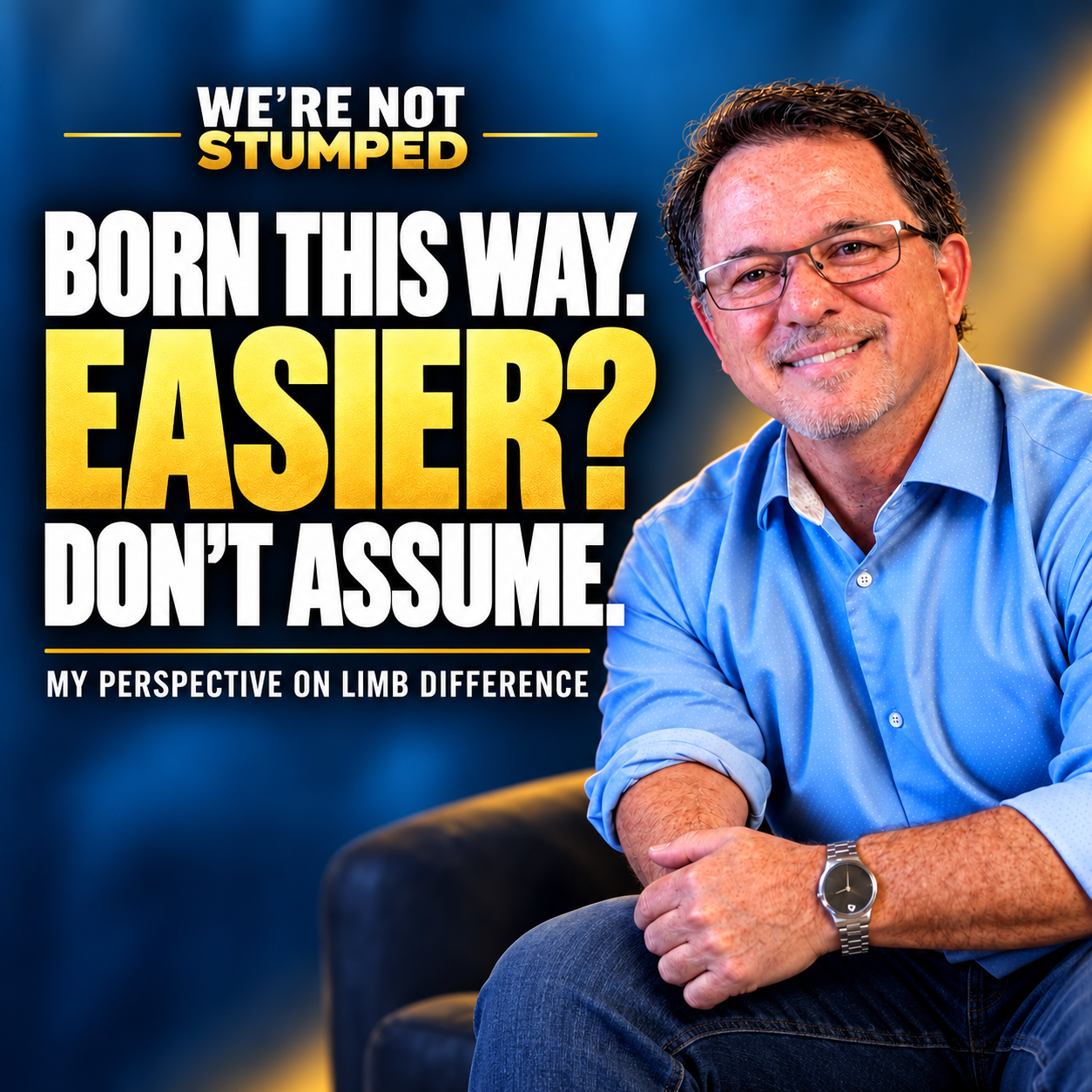
Does being born with a limb difference—or experiencing amputation as a child—mean you have it easier? In this solo episode of We’re Not Stumped, host Mike Bolland challenges an assumption that can leave people feeling dismissed within their own community. Born without a right hand, Mike shares why physical adaptation tells only part of the story. Through his podcast and community work, he’s met people whose experiences include bullying, employment barriers, relationship challenges, and depression. While these experiences don’t all reflect his own journey, they deserve acknowledgment. Acquiring a disability later in life brings its own challenges, including grief and adjustment. Recognizing those experiences doesn’t require minimizing the challenges of congenital limb difference or childhood limb loss. This episode invites us to listen more closely, question what we assume about others, and support one another without ranking whose journey is harder.
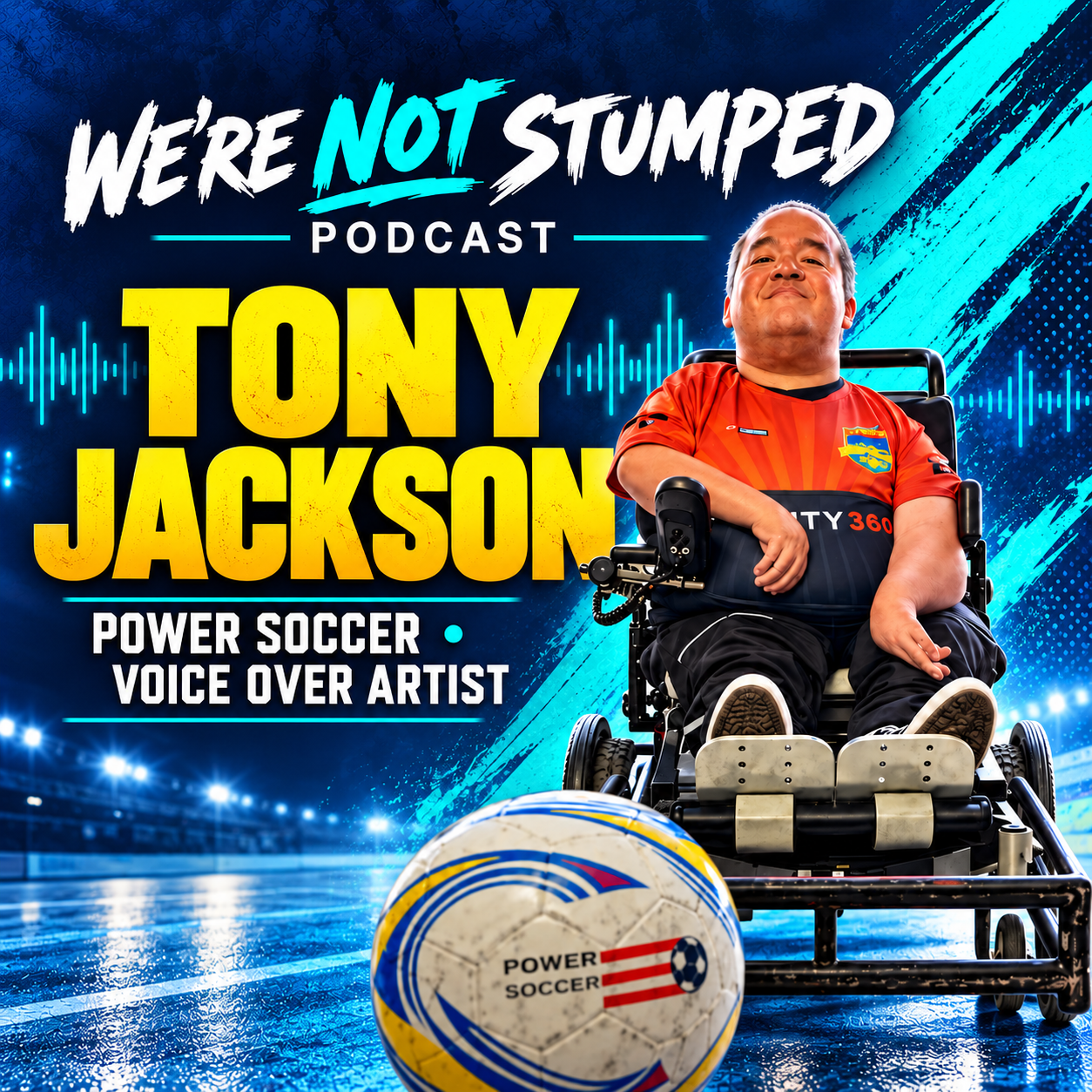
How can voiceover and adaptive sports create opportunities for people with disabilities? Phoenix-based voiceover artist Tony Jackson joins Mike Bolland on We’re Not Stumped to share his experiences behind the microphone and on the power soccer court. Tony serves as the Grant Coordinator and Power Soccer Coordinator at Ability360. We explore his path into voice acting, accessibility in casting, and how adaptive sports build teamwork, confidence, and a sense of belonging.
Leave A Comment