
In this episode on the We’re Not Stumped podcast, I’m honored to have Elysia Everett, founder and CEO of Friendly Like Me.
Friendly Like Me is an innovative app dedicated to finding and reviewing accessible places. Its mission is to enhance accessibility in public spaces and make it easier for everyone to discover accessible locations, ensuring more people can participate in various activities without hindrance.
Access to accurate accessibility information is vital for full participation in society. Unfortunately, such information is often scarce, subjective, and difficult to find. This lack of reliable data frequently prevents individuals from engaging in activities they would otherwise enjoy, including visiting size-friendly and accessible businesses across the United States. Friendly Like Me is committed to changing this, benefiting everyone.
Through collaboration with reviewers, advocates, and business owners, Friendly Like Me strives to create more welcoming and accessible places. The platform facilitates interaction between people and businesses about specific accommodations needed to attract customers who prioritize accessibility. It’s worth noting that US adults with disabilities, including many individuals of higher weights, represent the third-largest market segment in the country. According to the American Institute for Research, the discretionary income for working-age persons with disabilities is $21 billion.
Businesses can claim their listings on Friendly Like Me to inform patrons about their amenities and any limitations. Transparency is key—it’s very friendly to let people know in advance if they cannot accommodate them. Friendly Like Me’s reviews focus on the presence or absence of specific accommodations, reducing the subjectivity often found in star-based review systems.
Links:
Friendly Like Me Website: https://www.friendlylikeme.com/
#accessible #accessibleliving #accessibleeducation #accessibility #accessibilityawareness
Listen on Apple Podcasts
Watch on YouTube
Listen on Spotify
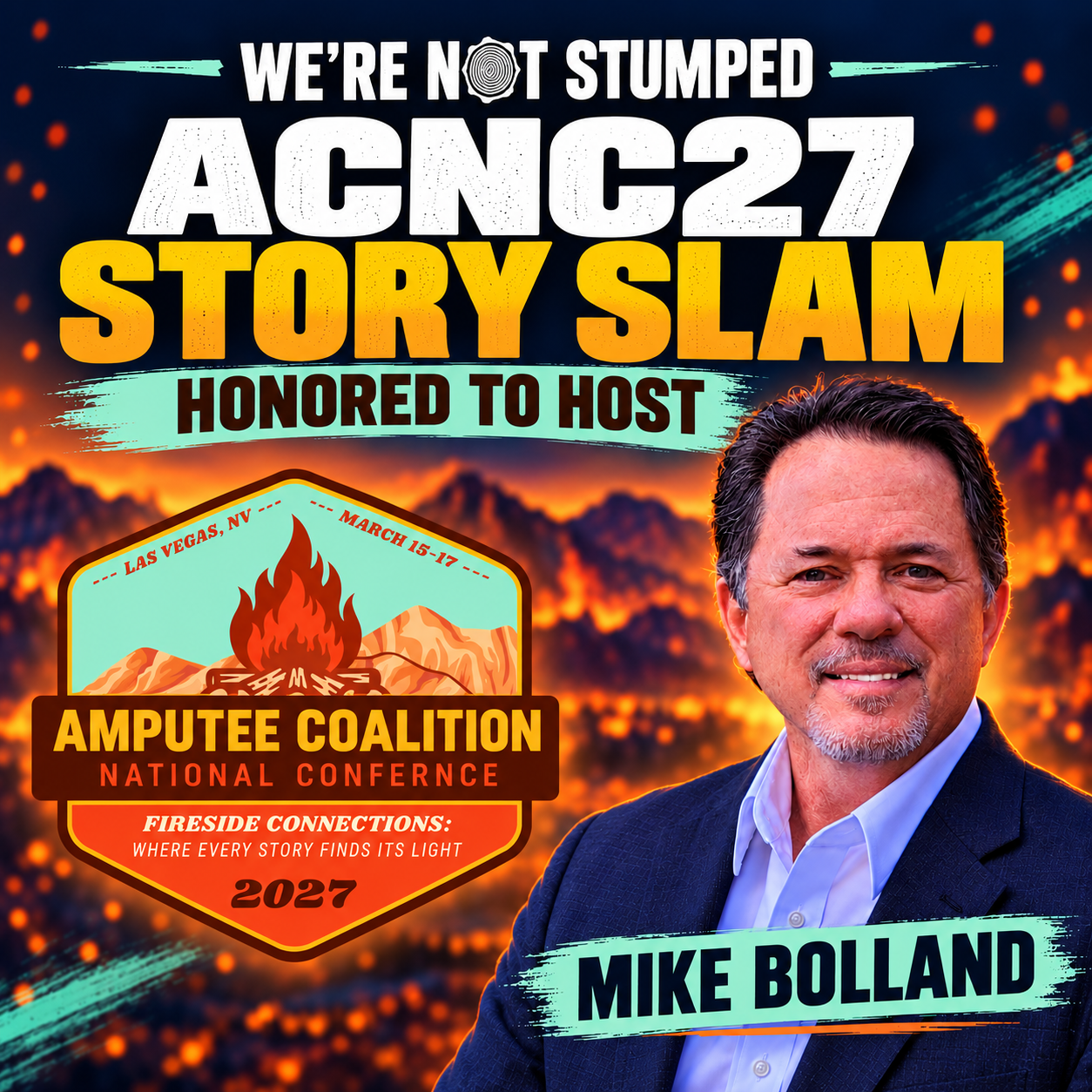
Everyone has a story worth sharing—and at the 2027 Amputee Coalition National Conference, those stories will take center stage. It’s an honor for We're Not Stumped host Mike Bolland to serve as host and help create a welcoming space for the community’s voices. “Story Slam: Where Every Story Finds Its Light” brings the community together for an evening of laughter, connection, and five-minute stories. Twenty storytellers will be selected at random to share a moment from their lives. There’s no competition, no judging, and no expectation that a story must be inspirational or about limb loss or limb difference. In this episode of We’re Not Stumped, Mike Bolland introduces the event and shares what attendees can look forward to.
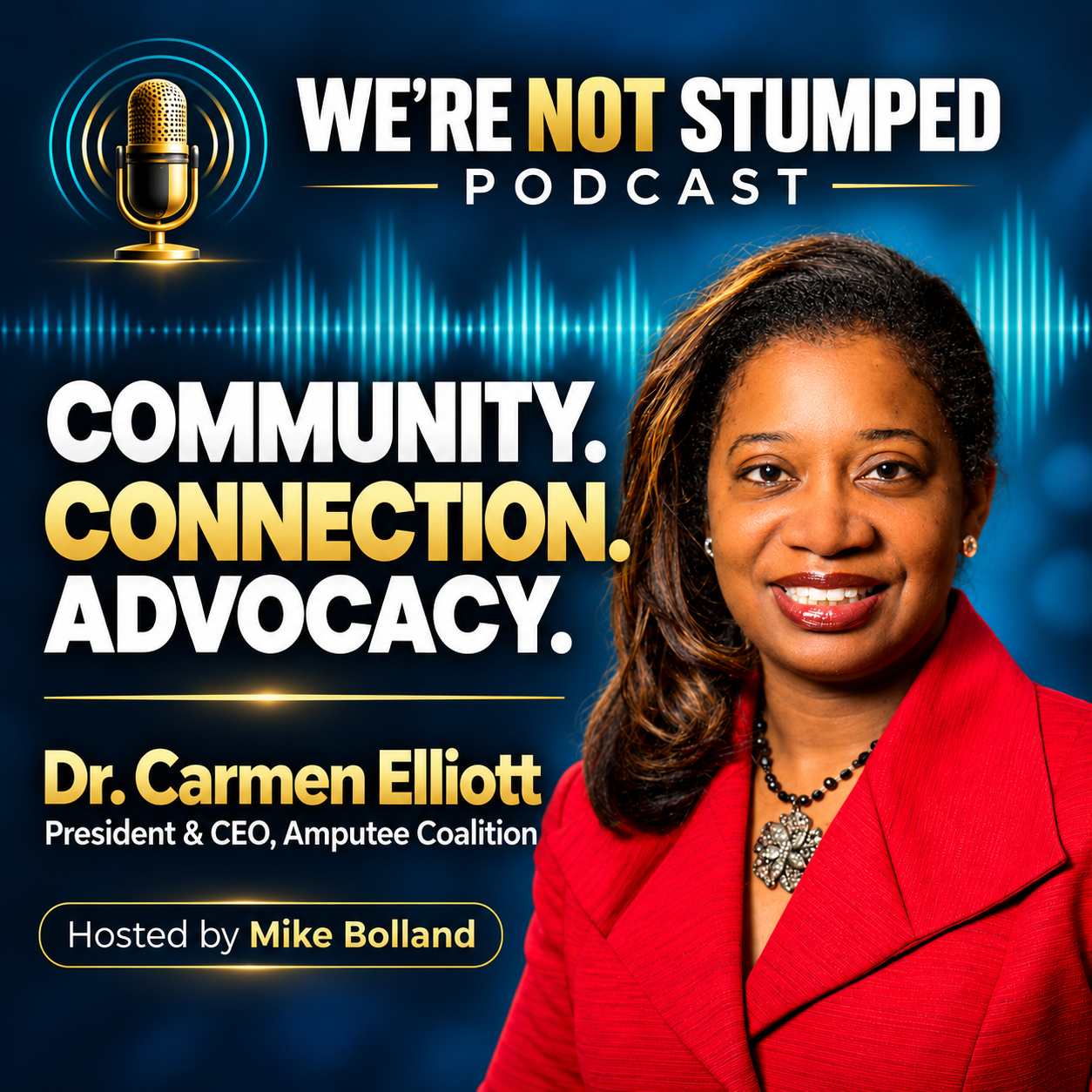
Dr. Carmen Elliott, the new President and CEO of the Amputee Coalition, joins Mike Bolland for a conversation about community, advocacy, and helping people with limb loss and limb difference find the support they need. Carmen shares how her family’s experiences with healthcare access and limb loss shaped her commitment to this work. Together, they explore the value of peer support, access to prosthetics, and including families and caregivers in the conversation. They also discuss support groups, certified peer visitors, AC Connect, and the upcoming “Fireside Connections” conference.
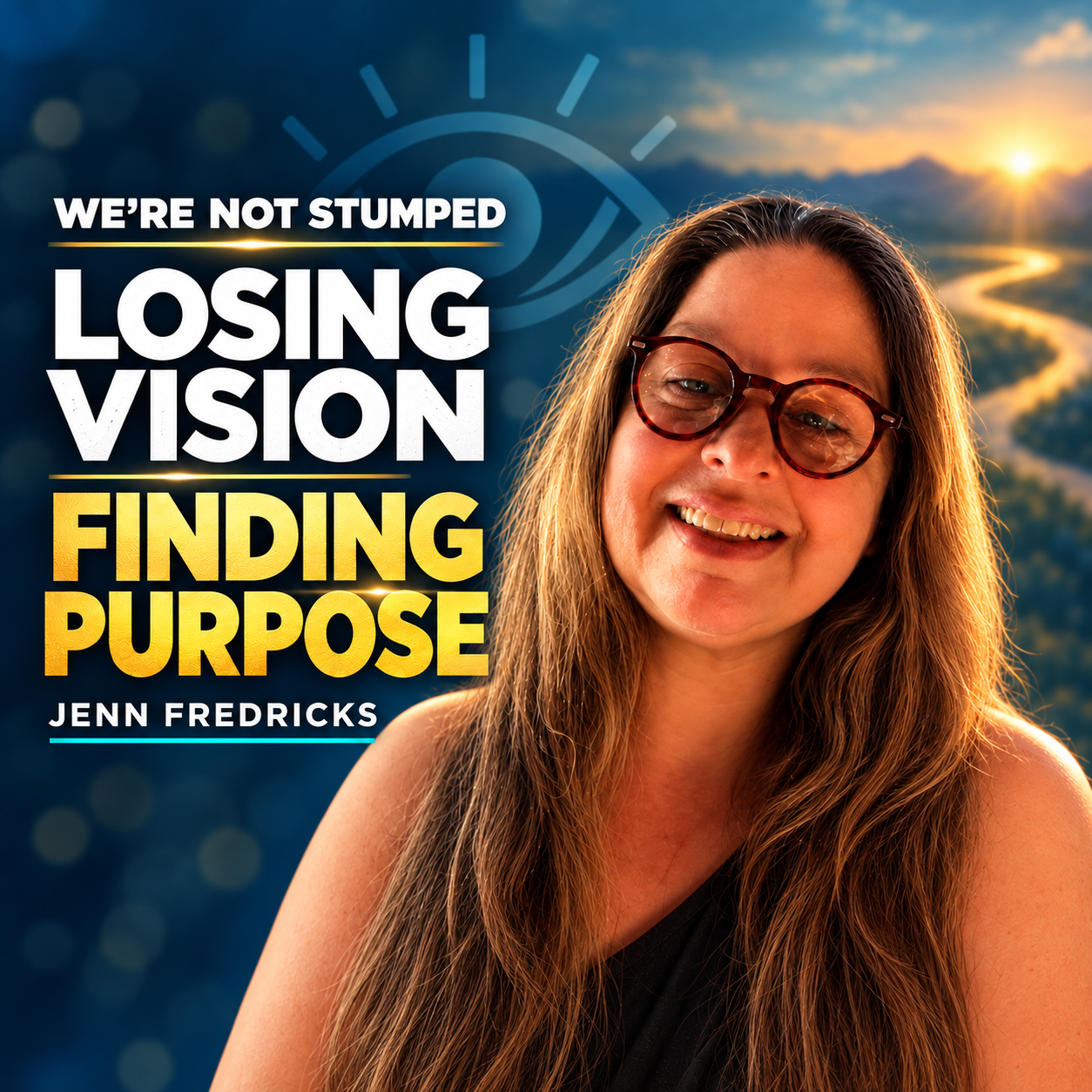
How do you move forward when vision loss changes your career, independence, and plans for the future? In this episode of We’re Not Stumped, Mike Bolland speaks with Jennifer Frederick about living with permanent vision loss and learning to advocate for herself along the way. Jennifer explains how changes in her vision eventually forced her to leave a career in crisis management. She also discusses the challenges she now faces while looking for work, including interview practices that have left her questioning whether she is being treated fairly as a person with a disability. The conversation explores Jenn’s decision not to undergo surgery for her detached retinas, the importance of seeking medical attention when your vision changes, and the need to take ownership of your healthcare.
Leave A Comment