
The North American One – Armed Golfer Association president Dan Aldrich is the latest guest on the We’re Not Stumped podcast.
Dan was a teenager in late 1980s Los Angeles, competing as a high-speed international water skier until a fall at nearly 100 mph caused complete nerve detachment in his left arm, deemed irreparable. This injury, affecting the brachial plexus—a network of nerves transmitting movement and sensory signals from the spinal cord to the arms and hands—seemingly stripped the 18-year-old of his ability to engage in sports, including skiing and golf. He went on a high school trip two weeks after the accident and just kept thinking, ‘Here you go with life.’ “
Shortly after his senior trip, Aldrich returned home and accompanied his father to the golf course. Observing for a moment, he then borrowed a 4-wood from his father’s bag and, using only his right arm, expertly launched the ball over a water hazard, surpassing his father’s performance.
Aldrich has harnessed that inspiration not only for his personal involvement but also to uplift countless others. Serving as the President of the National One-Armed Golfers Association (www.naoaga.org), he spearheads efforts to organize and advocate for tournaments across the United States catering to one-armed golfers. The NAOAGA follows the legacy of the globally-minded Society of One-Armed Golfers, which originated in Scotland in 1932.
Links:
North American One – Armed Golfer Association – https://www.naoaga.org/
U.S. Adaptive Golf Alliance – https://www.usaga.org/
#golf #adaptiveathlete #adaptivegolf #NAOAGA #golflife #golfing #golfer #golfswing #golfstagram #golfcourse #instagolf #golfaddict #pga #golfmk #golfclub #pgatour #golfr #golfers #golftips #golfislife #adaptivesports #paragolfer #disabilityawareness #adaptiveathlete #adaptivegolfers #allarewelcomehere #amputeegolf #adaptivegolfer #amputee #adaptive
Listen on Apple Podcasts
Watch on YouTube
Listen on Spotify
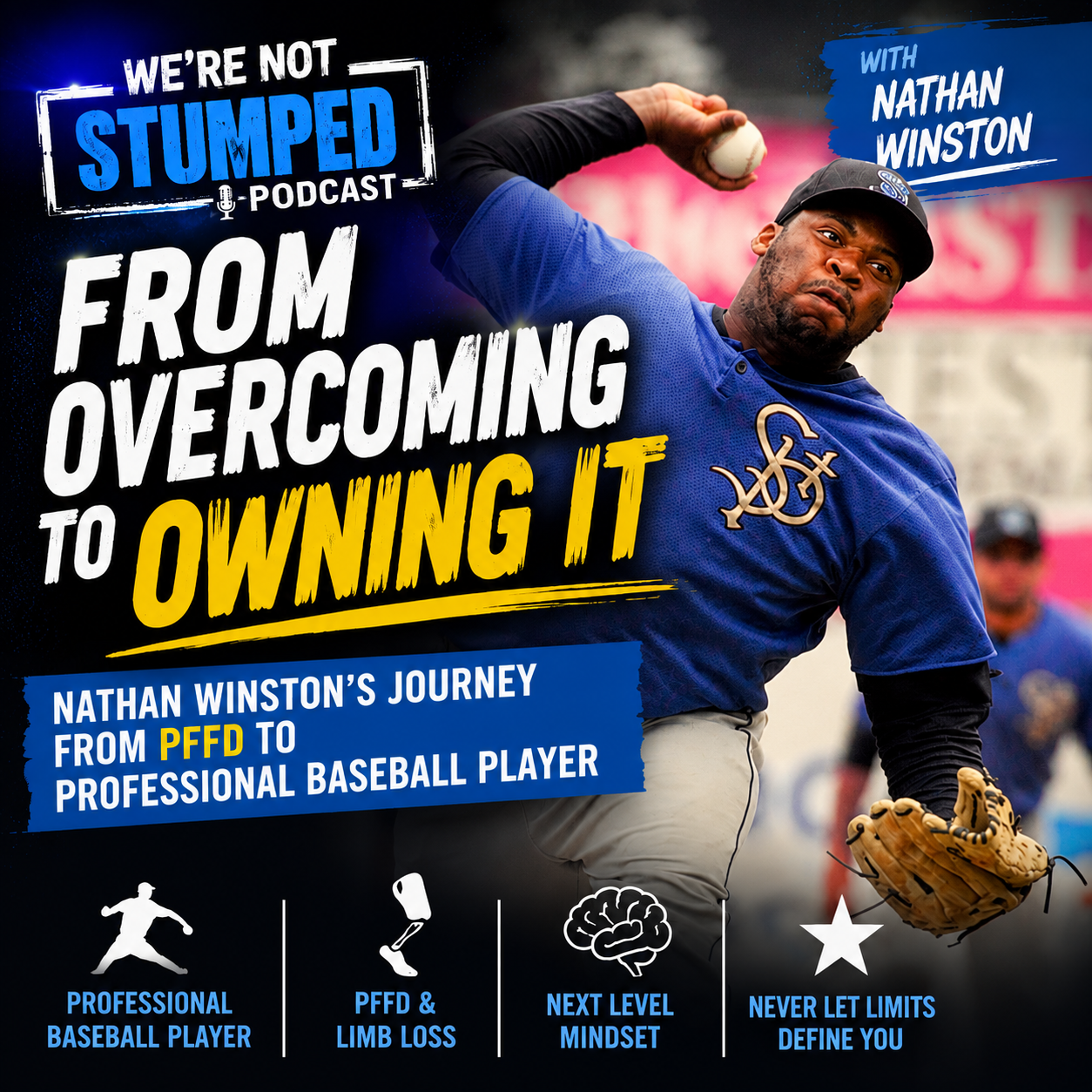
What does it take to overcome a challenge you've faced since birth? In this episode of We're Not Stumped, Mike Bolland welcomes Nathan Winston, who was born with Proximal Femoral Focal Deficiency (PFFD), a rare limb difference that led to the amputation of his left leg at the age of four. Nathan shares his incredible journey from adapting to life with a prosthetic to excelling in football, basketball, and baseball. His determination eventually carried him to the Little League World Series and into the ranks of professional baseball. Along the way, Nathan reflects on the challenges he faced, the resilience he developed, and the mindset that helped him keep moving forward—even when the path wasn't easy.
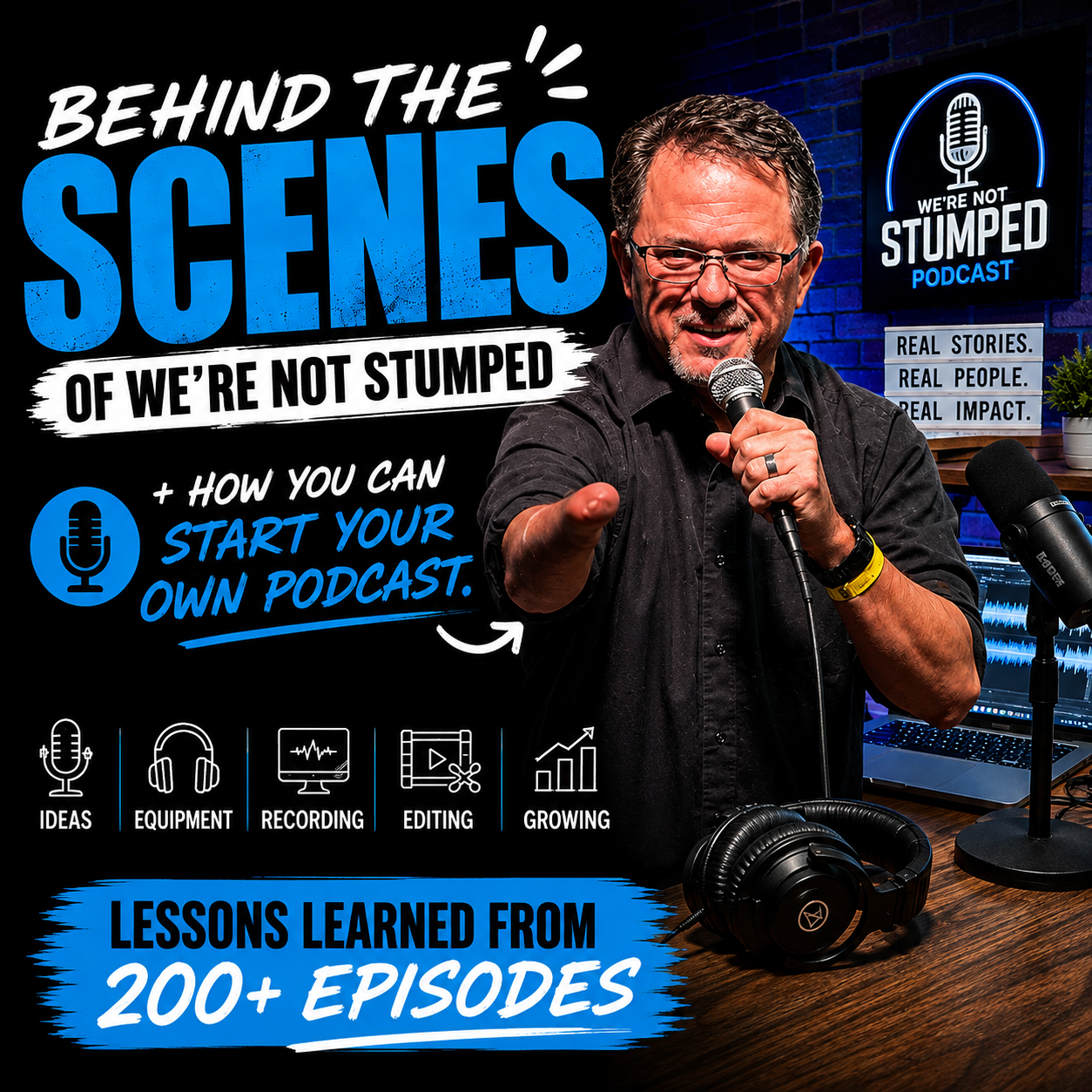
What does it really take to produce a podcast? In this special solo episode of We're Not Stumped, I'm taking you behind the scenes to share how the podcast started, what happens before and after every interview, and the lessons I've learned from producing more than 200 episodes. I'll talk about: Why I decided to start the podcast My recording setup and workflow Editing What I'd do differently if I were starting today Advice for anyone thinking about launching their own podcast Whether you're interested in podcasting, storytelling, or simply curious about what goes into creating We're Not Stumped, I hope this episode gives you a new perspective—and maybe the confidence to start your own show.
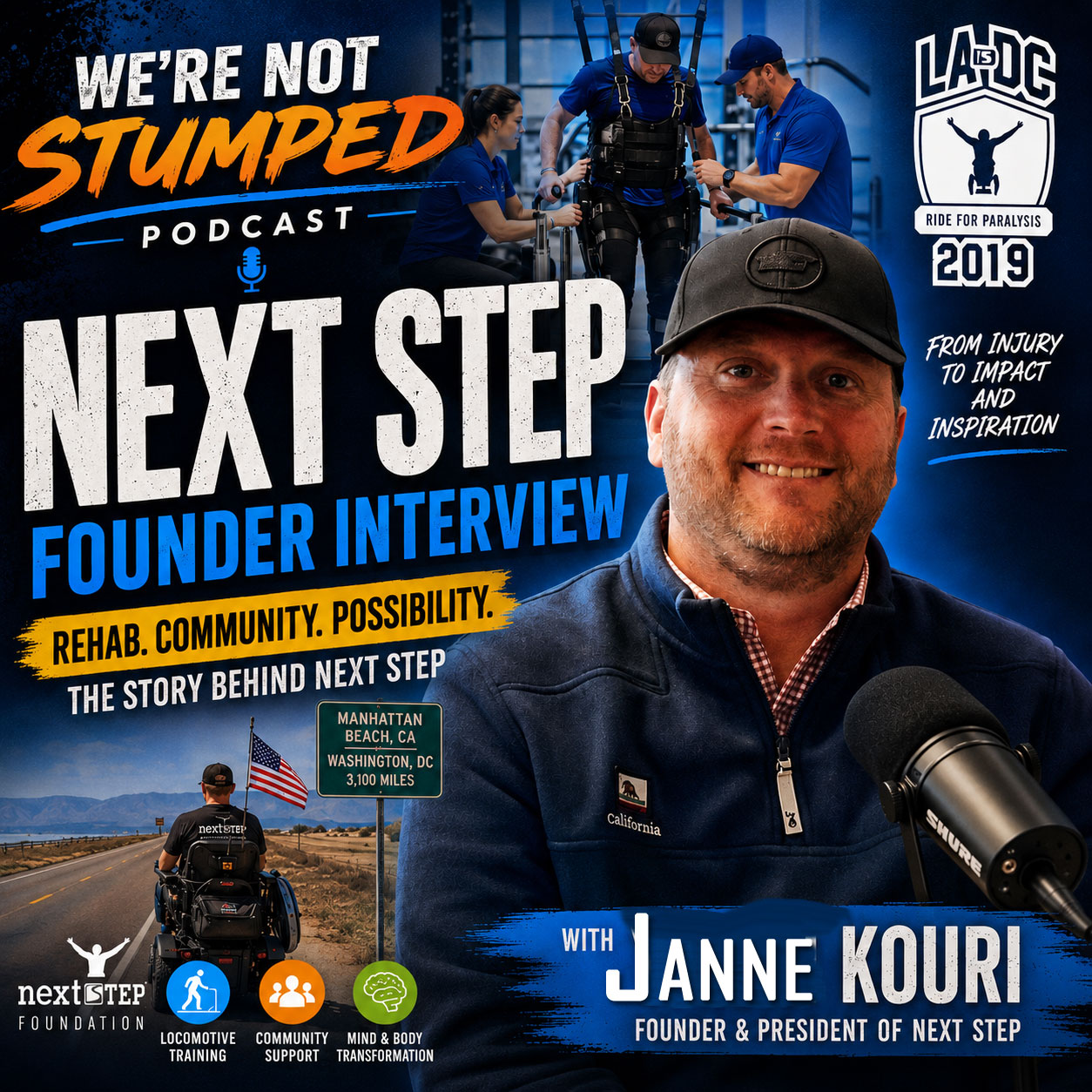
In this episode of the We're Not Stumped podcast, host Mike Bolland sits down with Janne Kouri, entrepreneur, founder of NextStep, and co-founder of Lencaro Finnish Long Drink. Janne shares the incredible story of how a spinal cord injury from a swimming accident in 2006 changed the course of his life. After spending two months in the ICU battling paralysis, pneumonia, and a 104-degree fever, he traveled more than 2,000 miles to receive groundbreaking activity-based rehabilitation that wasn't covered by insurance—but changed everything. That experience inspired him to create NextStep, a nonprofit rehabilitation center that helps people living with paralysis access advanced therapy long after traditional insurance benefits end.

Leave A Comment