
In this episode of the We’re not Stumped podcast, my guest is Dr. Levin Sliker. Dr. Sliker is Co-founder & CEO of Point Designs, an organization that specializes in finger/thumb prosthetics. He earned his Doctor of Philosophy (Ph.D.) Mechanical Engineering from the University of Colorado Boulder.
Point Designs was founded by researchers in the field of upper limb prosthetic design from the Biomechatronics Development Laboratory at the University of Colorado. Along with Dr. Sliker, Professors Richard Weir, Jacob Segil and Stephen Huddle, the Point Designs team continues to advance the field of partial hand prosthetic design with expertise in additive manufacturing, mechanical design, and clinical care. They are dedicated and passionate individuals working together to improve the lives of the people they serve.
This is a special episode, as I have had three users of Point Design devices on this podcast in prior episodes (links below). Having an opportunity to talk with Dr. Sliker after speaking to people who use Point Designs product was a treat. He has a passion to help others, and he and his company is doing just that by making a difference for those who have lost parts of their hand.
Links:
Point Design Website: https://www.pointdesignsllc.com
Point Design FAQs : https://www.pointdesignsllc.com/about/faq
End user get together: https://www.pointdesignsllc.com/end-user-get-together
We’re not Stumped episode with Point Designs user Jeff Soelberg (Season 1, Episode 2): https://youtu.be/83eYQPvGO3M
We’re not Stumped episode with Point Designs user Angie Coe (Season 1, Episode 6): https://youtu.be/s83rfCPMkNg
We’re not Stumped episode with Point Designs user Rachel Grow (Season 2, Episode 1): https://youtu.be/rMZqYQtLrMk
#prosthetic #amputee #prosthetics #amputeelife #prostheticleg #prosthesis #amplife #amputeemodel #amputeestrong #amputation #adaptiveathlete #limblos #disability #disabled #amputees #abovekneeampute #prostheticmakeup #sfx #protesis #adaptive #paralympics #specialeffectsmakeup #amputeewoman #prostheticcover #prothese #amputeefinger #fingeramputee
Watch on YouTube
Listen on Spotify
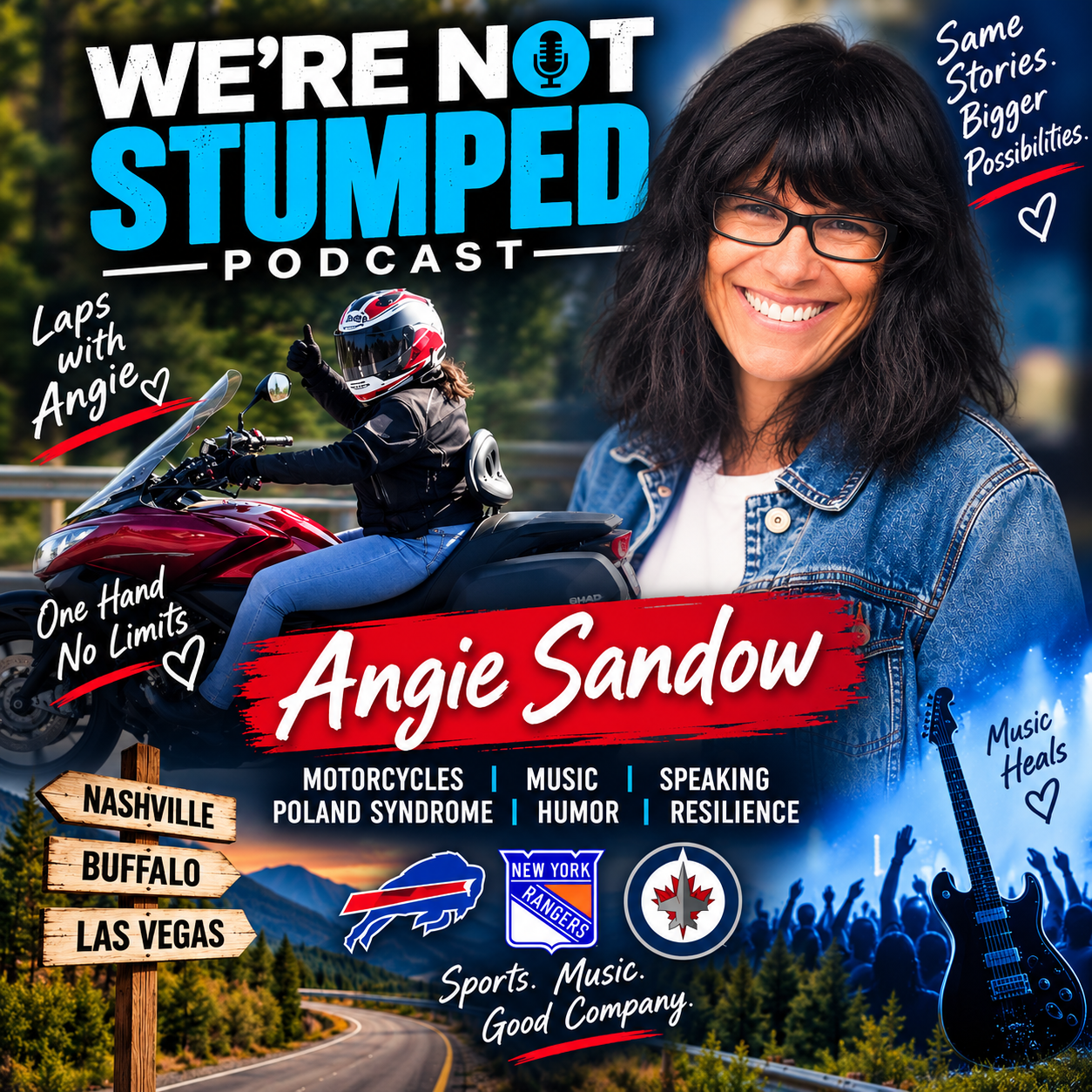
Angie Sandow was born with one hand and Poland syndrome—but that hasn't stopped her from riding motorcycles, playing guitar, performing onstage, and finding plenty of reasons to laugh along the way. In this episode of We’re Not Stumped, Mike Bolland reconnects with Angie for a candid and often funny conversation about growing up with a limb difference, dealing with bullying and unwanted attention, and learning to turn difficult experiences into something positive. Angie shares how music became an important part of her life, including performing with bands and using a custom prosthetic guitar holder. She also talks about becoming a one-handed motorcycle rider and the modifications that allow her to ride, including moving the throttle to the left side.
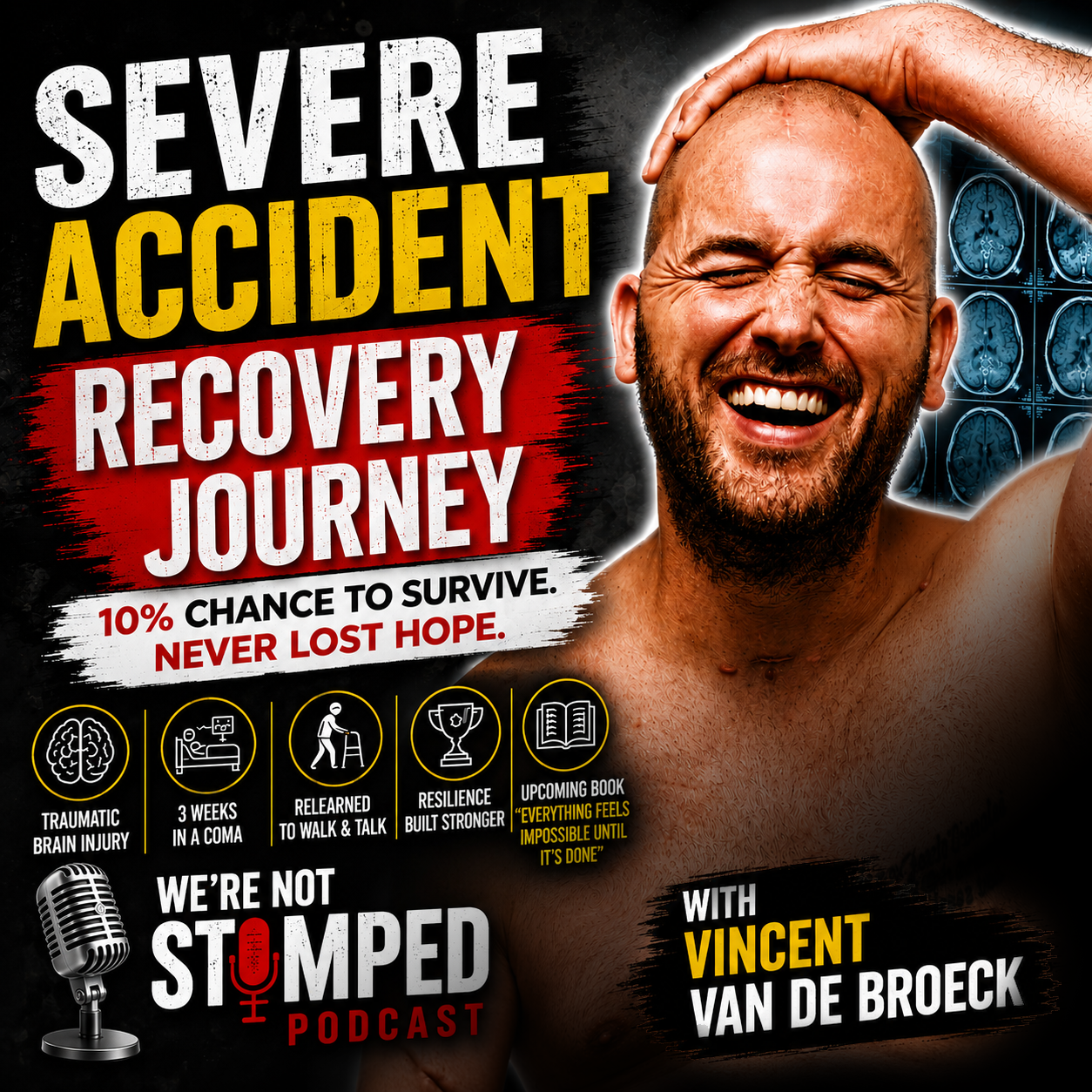
In this episode of We’re Not Stumped, host Mike Bolland talks with Vincent about his extraordinary recovery—relearning how to walk, talk, eat, and handle everyday tasks most of us take for granted. Vincent shares what it was really like to gradually wake from a coma, the difficult prognosis his family faced, and the extensive damage to his skull that eventually required a custom 3D-printed implant. He also discusses the people who refused to give up on him, particularly his wife and family, who lived through weeks of uncertainty while Vincent was unconscious. Through his recovery, Vincent came to see resilience not simply as something you're born with, but as something you can develop and strengthen. That experience also helped shape the ideas behind his book, Everything Feels Impossible Until It’s Done
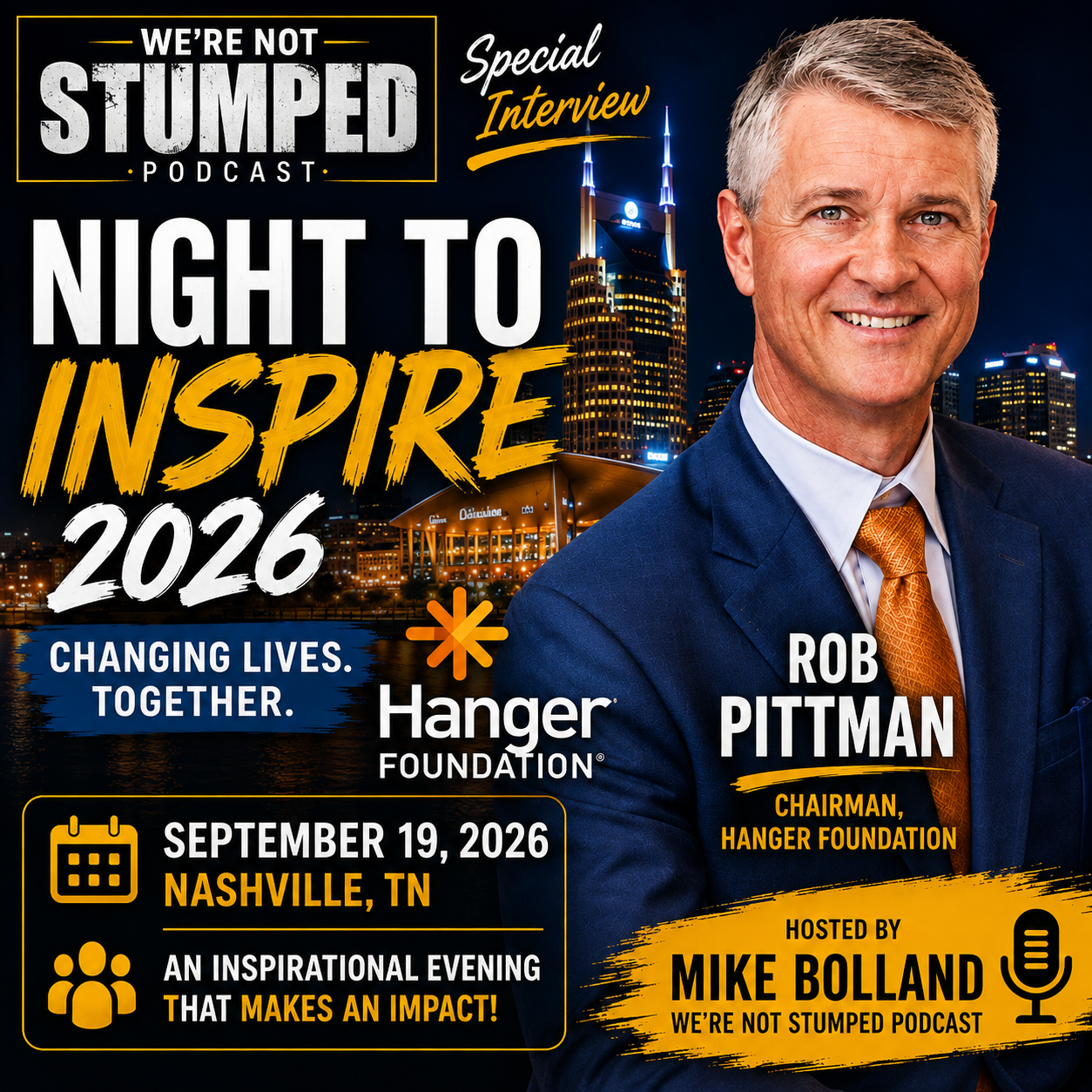
What happens when the limb loss community, prosthetics professionals, nonprofits, and supporters come together for a weekend built around giving back? In this episode of We’re Not Stumped, Mike Bolland talks with Rob Pittman of Hanger, Chairman of the Hanger Foundation’s Night to Inspire, about the upcoming 2026 Night to Inspire in Nashville, Tennessee. Now in its third year, Night to Inspire is expanding into a full weekend experience designed to raise funds, build awareness, and support organizations helping people with limb loss, limb difference, and mobility challenges.


Leave A Comment