
Since the age of three, Kara Skrubis has practiced ballet. Throughout her youth, she traveled the nation, showcasing her ballet prowess. Alongside her performances, she commenced teaching ballet and started her studies as a dance major at University at Buffalo.
However, her trajectory took an unforeseen twist during her inaugural semester at UB. In October 2019, Skrubis awoke to excruciating pain in her left knee, soon accompanied by a concerning “warm lump.” Despite a visit to a local urgent care facility, the ailment remained undiagnosed. It wasn’t until three months later, under the care of an orthopedic specialist, that a tumor was discovered in her left tibia.
At 18 years old, Skrubis received the diagnosis of osteosarcoma, a rare form of bone cancer predominantly affecting teenagers and young adults. While receiving treatment, Skrubis was compelled to take a time off from her studies for a year. Her journey started with chemotherapy in February 2020, followed by the amputation of her left leg in April 2020 to eradicate the cancer. Subsequently, she underwent immunotherapy until June 2021, concluding her treatment regimen with chemotherapy in September 2021.
During her stay in the hospital, Skrubis says her mother, Lisa, 54, found and connected with MIB Agents, a pediatric osteosarcoma nonprofit that provides resources, information and support to patients and families.
Skrubis still practices ballet, but she changed her majors from dance and psychology to psychology and health and human sciences so she can work with other youth diagnosed with cancer.
Links:
MIB Agents: https://www.mibagents.org
People Magazine Article: https://people.com/health/kara-skrubis-talks-continuing-ballet-following-bone-cancer-leg-amputation-i-never-gave-up/
#amputee #amputeelife #amputeestrong #prosthetics #prostheticleg #amputeegirl #amplife #amputation #limbloss #amputees #adaptiveathlete #amputeefitness #prosthetic #motivation #prosthesis #adaptive #oneleg #amputados #amputeewoman #inspiration #osteosarcoma #cancer #sarcoma #bonecancer #cancersucks #childhoodcancer #cancersurvivor #osteosarcomaawareness #childhoodcancerawareness #cancerawareness #cancerfighter #pediatriccancer #bonetumor
Listen on Apple Podcasts
Watch on YouTube
Listen on Spotify
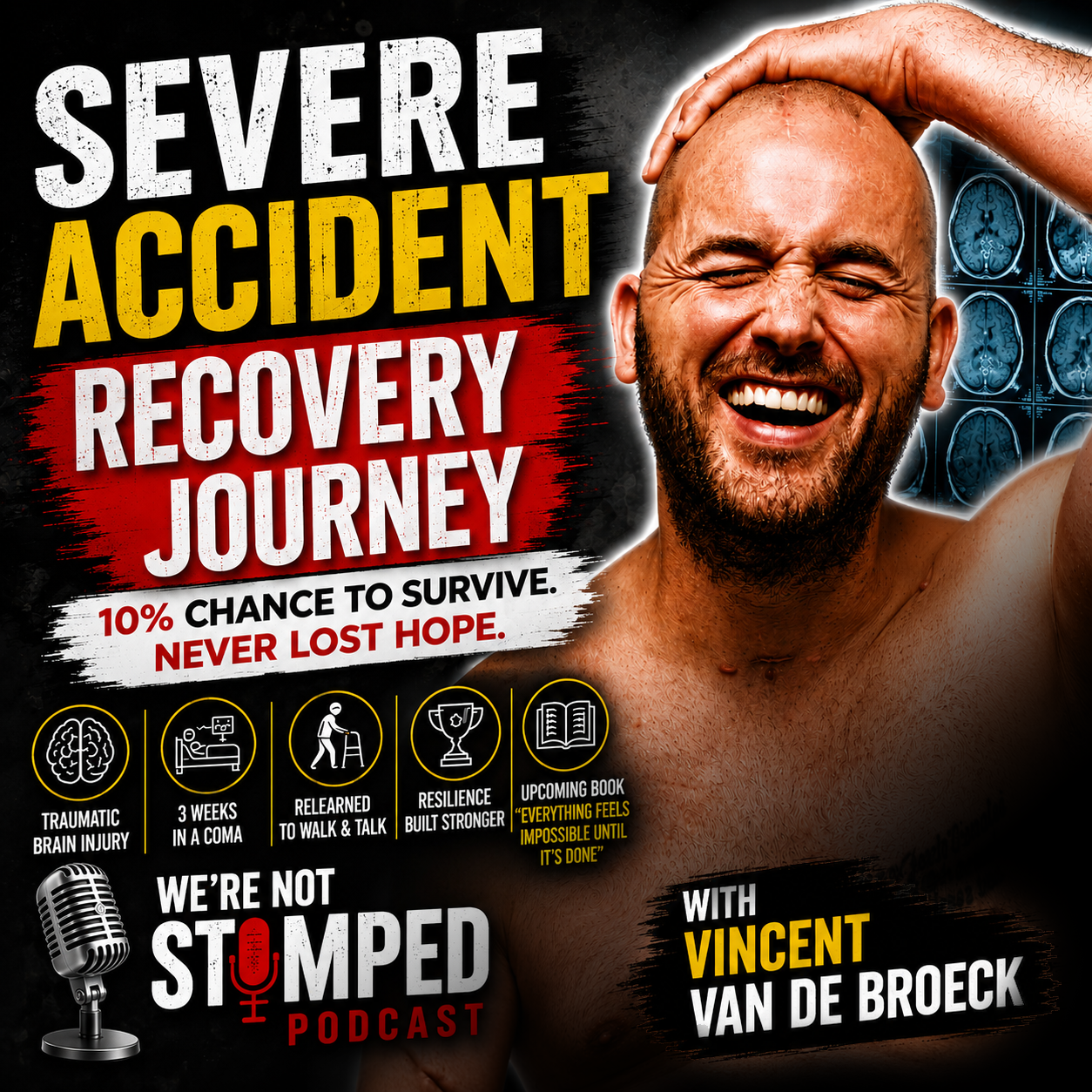
In this episode of We’re Not Stumped, host Mike Bolland talks with Vincent about his extraordinary recovery—relearning how to walk, talk, eat, and handle everyday tasks most of us take for granted. Vincent shares what it was really like to gradually wake from a coma, the difficult prognosis his family faced, and the extensive damage to his skull that eventually required a custom 3D-printed implant. He also discusses the people who refused to give up on him, particularly his wife and family, who lived through weeks of uncertainty while Vincent was unconscious. Through his recovery, Vincent came to see resilience not simply as something you're born with, but as something you can develop and strengthen. That experience also helped shape the ideas behind his book, Everything Feels Impossible Until It’s Done
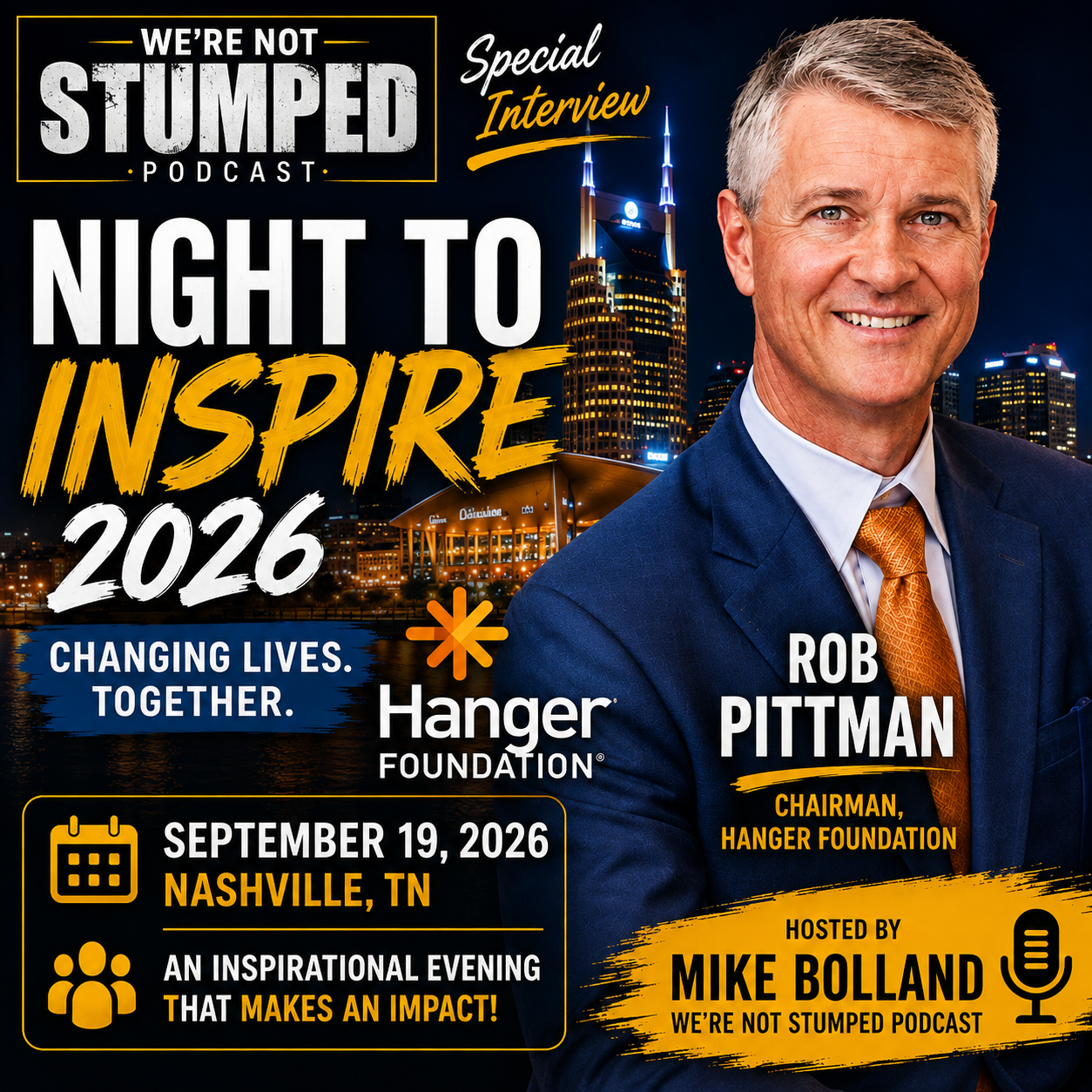
What happens when the limb loss community, prosthetics professionals, nonprofits, and supporters come together for a weekend built around giving back? In this episode of We’re Not Stumped, Mike Bolland talks with Rob Pittman of Hanger, Chairman of the Hanger Foundation’s Night to Inspire, about the upcoming 2026 Night to Inspire in Nashville, Tennessee. Now in its third year, Night to Inspire is expanding into a full weekend experience designed to raise funds, build awareness, and support organizations helping people with limb loss, limb difference, and mobility challenges.
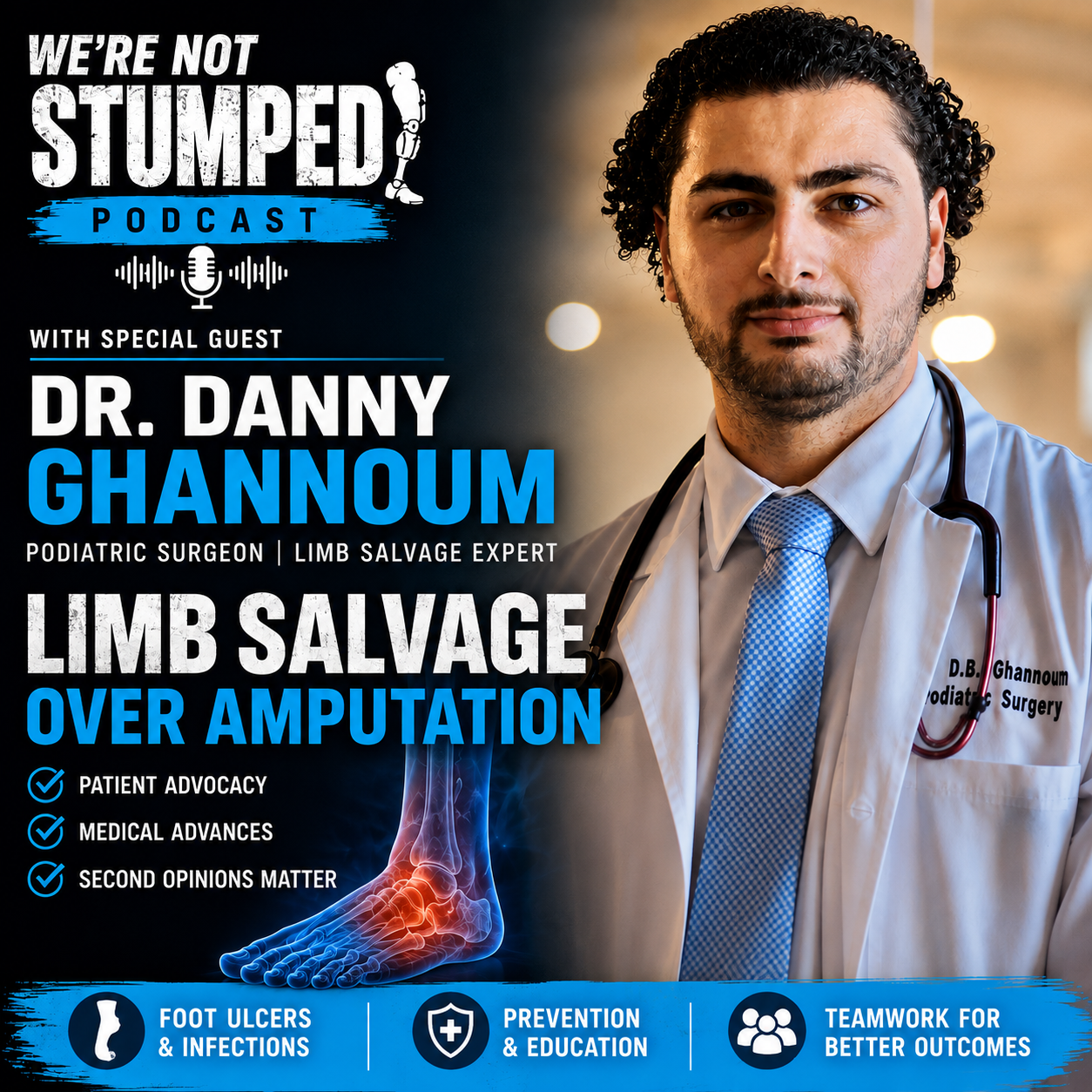
When should a limb be saved—and when might amputation provide a better quality of life? On this episode of We’re Not Stumped, Mike Bolland talks with podiatric surgeon Dr. Danny Ghannoum about limb salvage, diabetic foot complications, Charcot neuroarthropathy, bone infections, and the difficult decisions that can lead to lower-limb amputation. Dr. Ghannoum explains how diabetes, peripheral neuropathy, poor circulation, foot ulcers, and osteomyelitis can put a limb at risk. He also shares complex patient cases that illustrate an important point: saving a limb isn't always the same as achieving the best outcome for the patient.

Leave A Comment