In this episode of We’re Not Stumped, host Mike Bolland welcomes Chris Baschuk, a trailblazer in upper limb prosthetics and the Director of Clinical Services at Point Designs. Chris also serves on the board of the American Academy of Orthotists and Prosthetists and is a proud ambassador for What Is POP, an organization working to expand the pipeline of professionals in Prosthetics, Orthotics, and Pedorthics.
Together, Mike and Chris explore the cutting edge of prosthetic innovation—from the rise of 3D printing in clinical care to the need for greater access, education, and advocacy for people with limb loss.
🔧 Chris shares his personal journey—from tinkering with tools as a child to mission work in Brazil that inspired his career in biomedical engineering and prosthetics. He explains how additive manufacturing is revolutionizing prosthetic options for partial hand amputees, and how companies like Point Designs are leading the charge with rugged, functional, and customizable prosthetic components.
💡 Topics include:
- The evolution of multi-articulated prosthetic hands
- Pattern recognition technology in upper limb devices
- Shifting from traditional fabrication to additive manufacturing
- Advocacy to improve reimbursement and coding for partial hand prosthetics
- Chris’s leadership in the Upper Limb Prosthetic Society
- Mentorship and outreach through the POP ambassador program
- What his election to the Academy’s board means for future care
Mike also shares a fun then-vs-now look at prosthetic technology by comparing his vintage 1970s prosthetic hand with today’s advanced solutions.
If you’re passionate about prosthetic innovation, limb difference advocacy, or the future of orthotic and prosthetic education, this episode is a must-listen.
Listen on Apple Podcasts
Watch on YouTube
Listen on Spotify
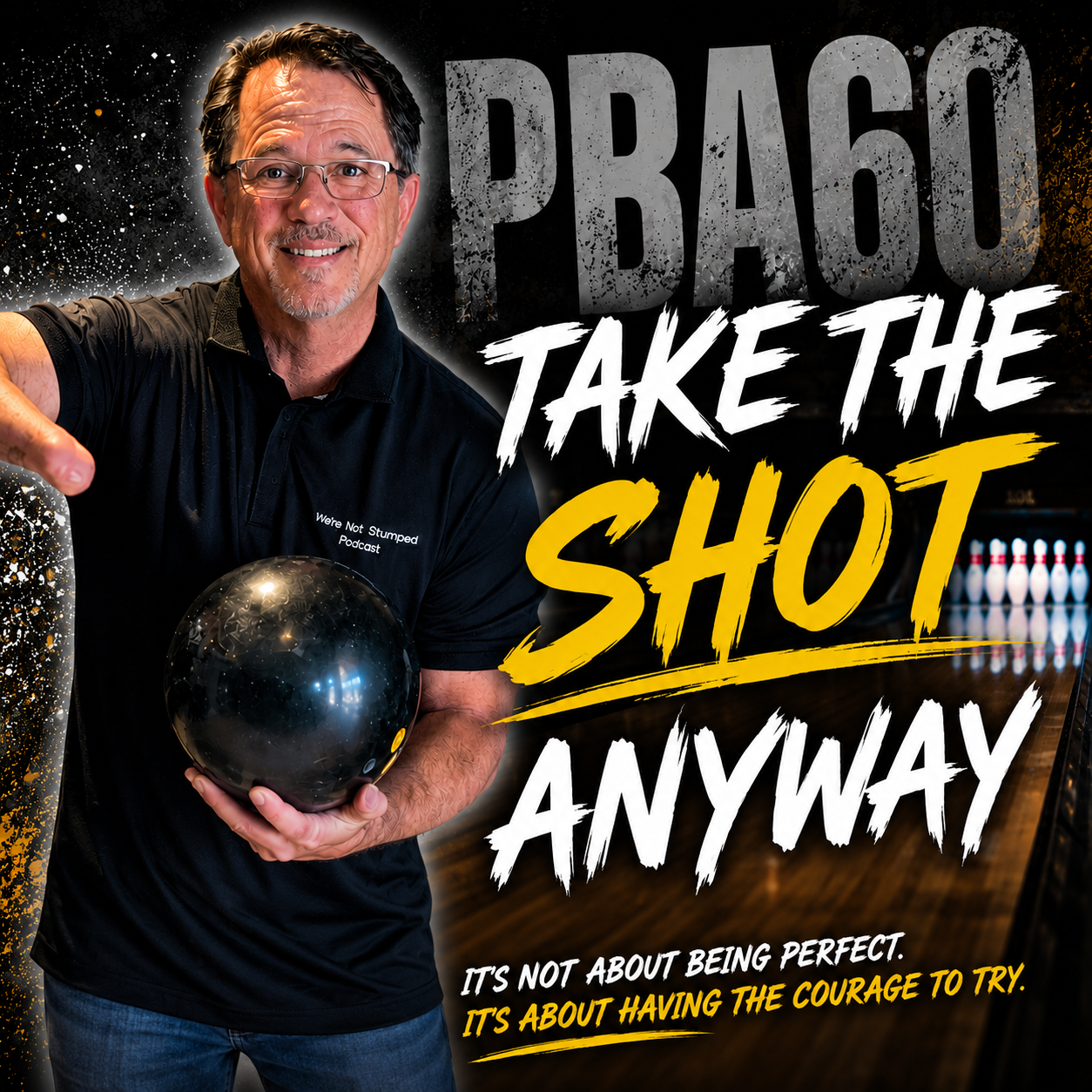
What if success isn't measured by where you finish—but by having the courage to start? After more than 35 years away from professional bowling, I returned to compete in the PBA60 World Series of Bowling at age 61. I knew the odds weren't in my favor. My body had changed. The equipment had changed. The competition had changed. But this episode isn't really about bowling. It's about the voice inside all of us that says we're too old, too late, or not good enough to chase something that matters. In this solo episode of We're Not Stumped, I share the emotions behind my comeback, the challenges I faced on the lanes, and the unexpected lesson that came from finishing far below where I had hoped. That lesson became a phrase I can't stop thinking about: Take the Shot Anyway. Because you don't need the perfect hand. You just need the courage to use the one you've been dealt.

What happens when people underestimate your potential your entire life—and you refuse to let them define your future? In this episode of the We're Not Stumped podcast, I sit down with Denny Burke, a licensed master social worker, disability advocate, and speaker who has spent his life proving that disability does not determine what someone can achieve. Growing up legally blind and facing additional disabilities, Denny endured bullying, low expectations, and barriers that could have shaped the rest of his life. Instead, with the encouragement of mentors and his own determination, he became the first person in his immediate family to graduate from college and is now dedicated to helping others find their voice through self-advocacy and social work.

What happens when a life-changing accident forces you to redefine everything you thought was possible? On this episode of the We're Not Stumped podcast, I sit down with Dr. Kirsten Ludwig—a biomedical researcher, educator, former professional polo player, and advocate for disability inclusion in healthcare. In 2021, Dr. Ludwig was paralyzed from the neck down during a horseback riding accident. Through determination, rehabilitation, and an incredible commitment to recovery, she became what she describes as a walking quadriplegic. Today, she combines her lived experience with her work as an Associate Professor of Biomedical Science at the Kaiser Permanente Bernard J. Tyson School of Medicine, helping educate future physicians about disability, accessibility, and patient-centered care.